Amusement Parks: How They Keep You Safe
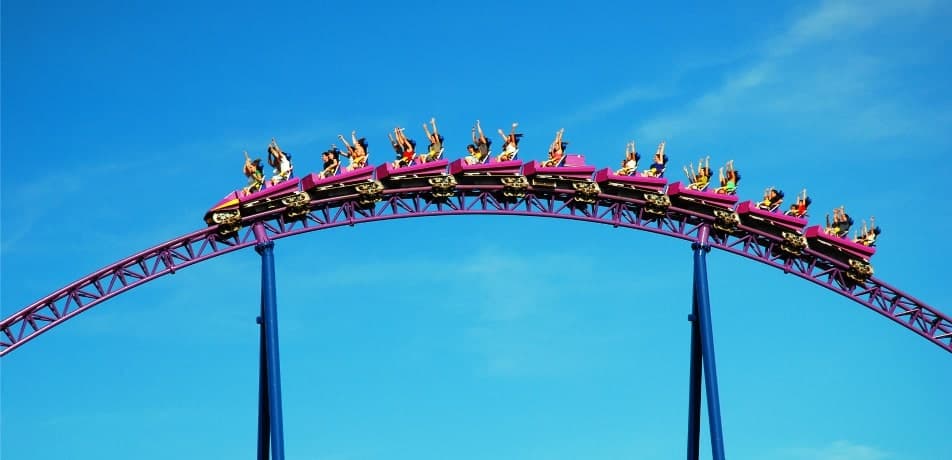
On Friday, a woman died while riding a roller coaster at Six Flags Over Texas in Arlington – a sobering story for anyone who loves amusement parks and thrill rides. Though the cause of the accident is unknown, we do know that amusement parks across the country take precautions to ensure the safety of their patrons. National regulations, frequent inspections, and state laws play a major part. Here are some of the ways that Six Flags and other parks work to keep riders safe – plus some reassuring measures that will help you ride (and rest) easy this summer at your favorite attractions...
Industry-Wide Expectations
Committee F24 of the American Society for Testing and Materials (ASTM) sets nationwide amusement park and roller coaster expectations; the committee consists of government officials, amusement park operators, ride engineers, and other industry experts. These industry-wide regulations include manufacturing requirements, regular ride testing, speed regulations, and best practices for safe design. Forty-four of the 50 U.S. states have their own state laws on roller coaster safety, many of which incorporate the F24 guidelines.
Inspections
Roller coasters are tested every day before the parks open to ensure rider safety. Engineers and mechanics check for anything slightly out of order on the tracks, trains, and in the cars, and make any necessary adjustments or repairs. Additionally, the trains are tested daily using bags filled with sand or water to mimic human weight and run at full speed for optimum accuracy. In addition to the daily inspections, many ride manufacturers require additional, more detailed inspections that are completed on a weekly, monthly, or annual basis.
Employee Training
If the image of youthful amusement park employees goofing off on the job makes you nervous, remember that ride operators are trained – and that safety isn't just a matter of park rules and procedure. It's the law. Employees at the nation's 400+ amusement parks all receive training in accordance with the law, and are also required to follow safety procedures that are established by park operators, manufacturers, insurers, and other experts. If you see a park employee that's not following the rules, ask to speak with a supervisor. Safety is in their best interest as well as yours.
Rider Restrictions
Many roller coasters have height restrictions for patrons, or require children to be accompanied by adults. At Six Flags, loose articles like bags are not permitted, and small items like cell phones must be fully secured in zippered pockets. Six Flags also states in their FAQ online that, “Guests with certain body proportions, height and/or weight may not be able to participate on certain rides in the safety restraints will not operate as designed.” Some restrictions may also apply to guests with casts and prosthetic devices, though the exact restrictions vary per ride and theme park.
**Keeping Things in Perspective
**
According to David Mandt, the Vice President of Communications for the International Association of Amusement Parks and Attractions (IAAPA), the chances of being seriously injured on an amusement park ride in the U.S. is 1 in 24 million, while the chance of being fatally injured is 1 in 750 million. To put that into perspective, your chances of being struck by lightning are roughly one in a million, meaning you are around 24 times more likely to get struck by lighting than you are to be hospitalized from riding a roller coaster.
Precautions You Can Take
Mandt says, "Safety is a partnership between the amusement park and its patrons. Unfortunately, a majority of the injuries occur because the guest didn't follow posted ride safety guidelines or rode with a pre-existing medical condition." Our main advice: Use your common sense. If you feel you're not the correct height, weight, or have other personal or medical restrictions that would prevent you from riding safely, don’t take the risk. If you're okay to ride, be sure you feel 100 percent secure in your seat and have all of your small belongings zipped up or stored in lockers, along with any loose items. Additionally, don’t be afraid to ask the ride operators to double (or triple) check your security in your seat.
Do you like riding roller coasters? Are you less likely to ride a roller coaster after the tragedy at Six Flags Over Texas? Tell us in the comments.
Latest Articles
The Best Cruises To Celebrate America’s 250th

10 Tips for Getting the Best Cruise Deals During Wave Season
Why Booking Repositioning Cruises Is a Savvy Move — and the Best Ones To Snag This Spring
Everything You Need To Know Before Chartering Your First Yacht — Which Can Be a Better Deal Than a Mainstream Cruise

The 20 Best Cruise Itineraries for 2026 & 2027