Avoid These Common Travel Mistakes and Watch Out for New Regulations

Travel is rife with room for error: Keeping track of every rule and regulation is so tiring that by the time you've gotten your boarding pass you've earned another vacation.
I've been crisscrossing the world full-time for over six years, and I've had and seen my fair share of tearful breakdowns and raucous fights while waiting in line at the check-in counter. From forgotten visas to passport blunders to luggage mishaps, countless issues can arise once you arrive at the airport for your long-awaited vacation. So, to prevent heartbreak, avoid these common travel mistakes, plus get up to speed on new visa and entry regulations for the world's biggest travel destinations to avoid making new ones.
Pay Attention to Your Passport Expiration Date
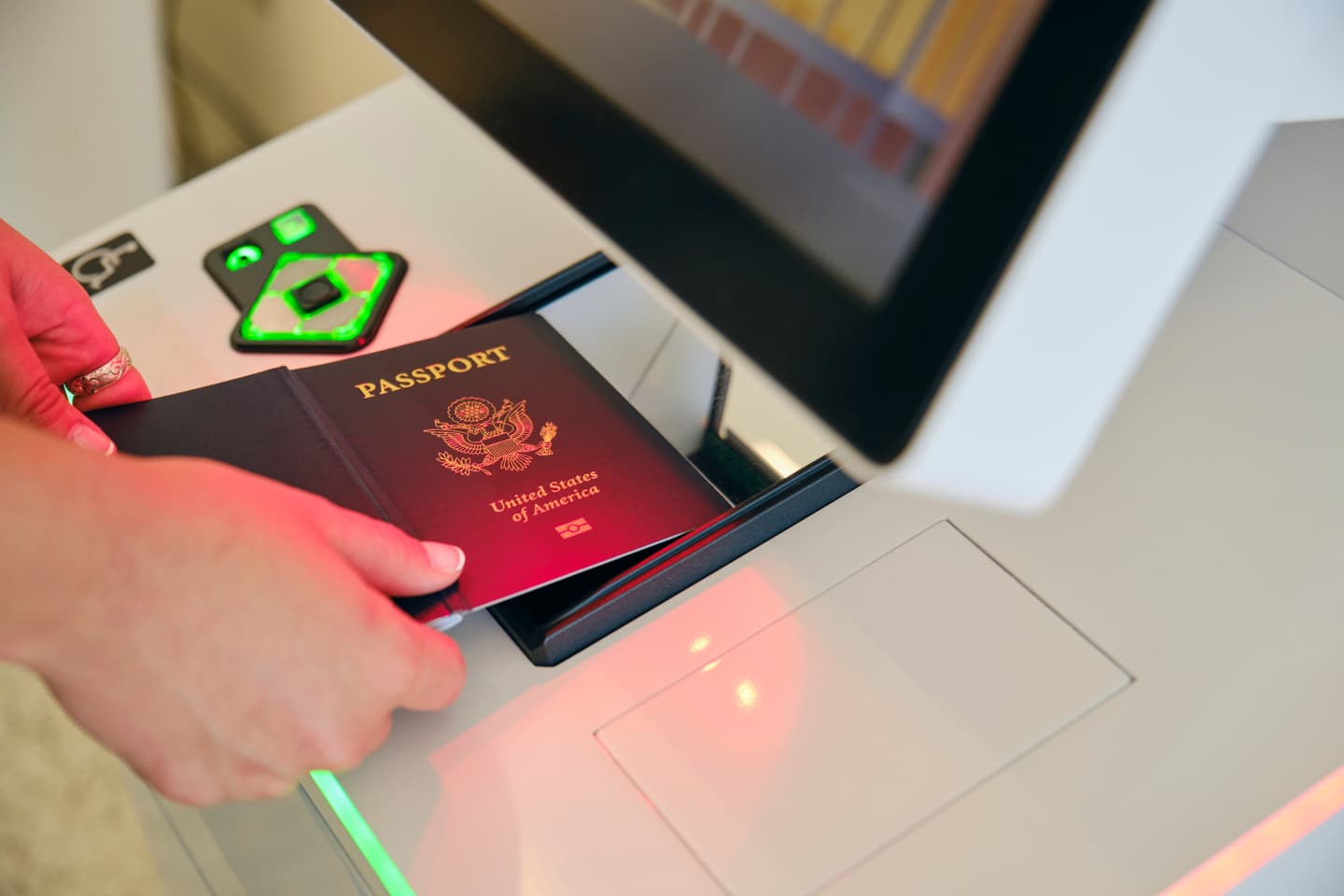
Recently, an acquaintance on social media tearfully posted about how she was turned away at the airport when trying to check in for her babymoon to Norway. She had no idea that most countries require your passport to have at least six months of validity before it expires. Once you realize this mistake, it's typically too late to rectify it before you miss your travel window, as it can take weeks for a new passport to process.
Be Mindful of the Pages in Your Passport
United States passports have either 32 or 52 pages, depending on which you choose (FYI, the 52-pager comes at no extra cost). For most travelers, filling every page is a pipe dream, but that doesn't mean you should turn a blind eye to your blank pages. The majority of countries require two blank pages in your passport before you can enter the country, and some African countries like Zambia and Botswana require three. If you see your passport pages filling up, start the process of getting a new passport; otherwise, you may be denied boarding.
Don't Fall Victim to the Luggage Trap
A few years ago, while leaving Japan, I didn't bother purchasing an extra weight allowance on my luggage when booking my ticket. Many airlines in Asia, particularly budget ones, allow for 20 kilograms (44 lbs) of checked luggage and 7 kilograms (15 lbs) of carry-on luggage (including suitcases, backpacks, and purses combined). I didn't expect the airline check-in attendant to weigh both my checked bags and my various carry-ons. I was wrong, and the extra kilograms would have cost me $650 — hundreds more than the price of my ticket. I had no other choice but to throw away my entire carry-on and all its contents. Since then, I always buy 10 extra kilograms (22 lbs) of weight allowance when I purchase my ticket to avoid the sky-high prices at the check-in counter (for most airlines, purchasing extra weight in advance is more cost-efficient than buying it at the check-in counter, where you'll have to cough up extra fees).
Take Videos Of Your Accommodation And Rental Car
Unfortunately, an all too common travel scam is the claim of damage to a vacation rental, hotel room, or rental car. I've heard horror stories of couples being charged hundreds for a stained rug or a scratched car despite not being at fault. When you check into your accommodation or pick up your rental car, take a long and detailed video of all surfaces and areas. This could come in handy when contesting any unforeseen damage charges on your credit card.
Remember Your Departure Airport

On several occasions, I've seen frantic passengers turned away at security after realizing they've shown up at the wrong airport. When I was studying abroad in Europe, I made the same mistake on a trip to Italy. Luckily, our taxi driver moved at hyper speed to take us to the correct airport on the other side of the city. This often happens in destinations with multiple airports, like London, Tokyo, Washington D.C., and New York City. So, before you order your Uber or hop on the train, triple-check that you're heading to the correct airport.
Make Sure You Have a Real ID
The U.S. Department of Homeland Security has been saying that Americans will need a Real ID to travel on a domestic flight for years now. But as of May 7, 2025, it's finally a reality. American passengers older than 18 will need a Real ID-compliant driver's license or passport to travel domestically within the United States. Previously, all they needed was a valid state driver's license. Officials advise citizens to make an appointment with their local DMV as soon as possible; wait times are expected to be long.
Be Aware of the U.K.'s New Travel Restrictions
Ever dreamed of seeing Big Ben or driving the Scottish Highlands? Now, travelers heading to the U.K. (England, Scotland, Northern Ireland, and Wales) will need an Electronic Travel Authorization (ETA). This new ETA costs roughly $12 and can take up to three days to receive approval. Once you've been approved, it lasts two years. Remember that regular visa and length of stay regulations still apply and should be researched before booking your trip.
Research Tourism Taxes and Fees at Your Destination

When budgeting for your dream vacation, be aware of tourism taxes that could add up. To fight over-tourism, Greece has raised their daily accommodation and cruise fees based on hotel level, apartment, or vacation rental and the ports in which you're docked. During peak season (April to October), a stay in a five-star hotel will cost an extra $15 per day, and docking in crowded Santorini will cost as much as $20 per person per day. And in the already pricy Maldives, the daily green tax charged to tourists via their resort will double, going up to $12 per person per day for resorts with more than 50 rooms and up to $6 for resorts with less than 50. Before you book, research if there are any tourism fees or taxes to know about in your destination.
Apply Online or via App To Enter 30 Countries in Europe
Before you organize your summer trip to Europe, check the European Travel Information and Authorization System (ETIAS). An official date for this requirement has not been announced, but it's set to start in mid-2025. However, once plans are finalized, tourists must apply online or via a mobile app to enter 30 European countries, including France, Greece, Italy, and Portugal. The ETIAS will cost roughly $7 and most will only take minutes to process, although the website warns it could also take up to four days. Once approved, take a photo of your ETIAS application number, which is valid for three years. Regular visa and length of stay regulations in Europe's Schengen region still apply and should be researched before your trip.
Latest Articles

The Best Cruises To Celebrate America’s 250th

10 Tips for Getting the Best Cruise Deals During Wave Season

Why Booking Repositioning Cruises Is a Savvy Move — and the Best Ones To Snag This Spring

Everything You Need To Know Before Chartering Your First Yacht — Which Can Be a Better Deal Than a Mainstream Cruise

The 20 Best Cruise Itineraries for 2026 & 2027