Headed to Machu Picchu? Don’t Skip Cusco, Once the Incan Capital
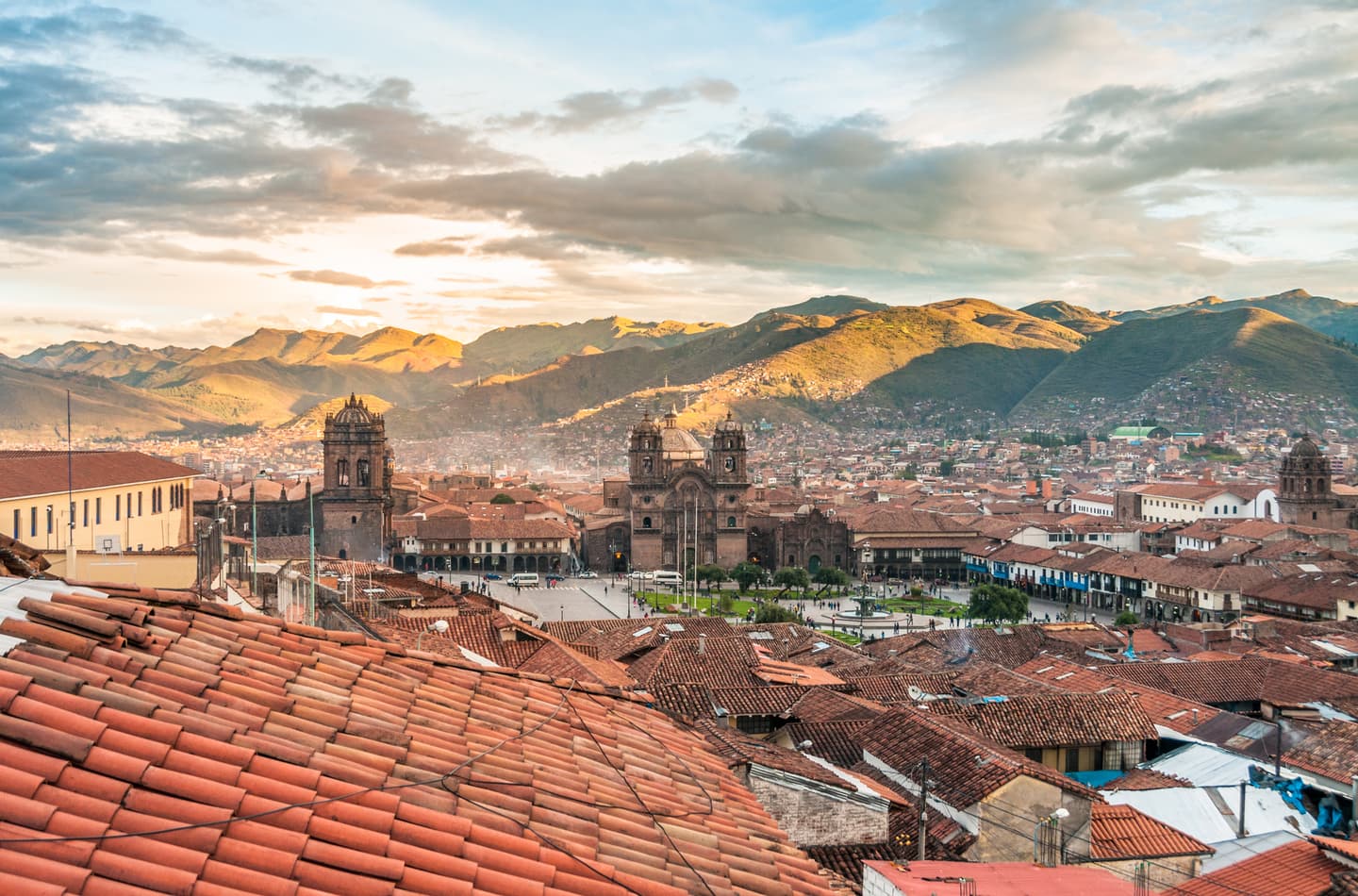
For most travelers, Cusco, Peru, a city of 600,000 a dizzying 11,155 feet above sea level, is the gateway to Machu Picchu. As the former Incan capital, it's a destination in its own right.
Every street is a postcard, and every building is historic. Cusco is full of ancient Inca architecture because each time a new Inca ruler was appointed, they built a new palace. In the 16th and 17th centuries, the Spanish built churches on top of most Inca temples, and many of the palaces are now museums and hotels.
What to Do
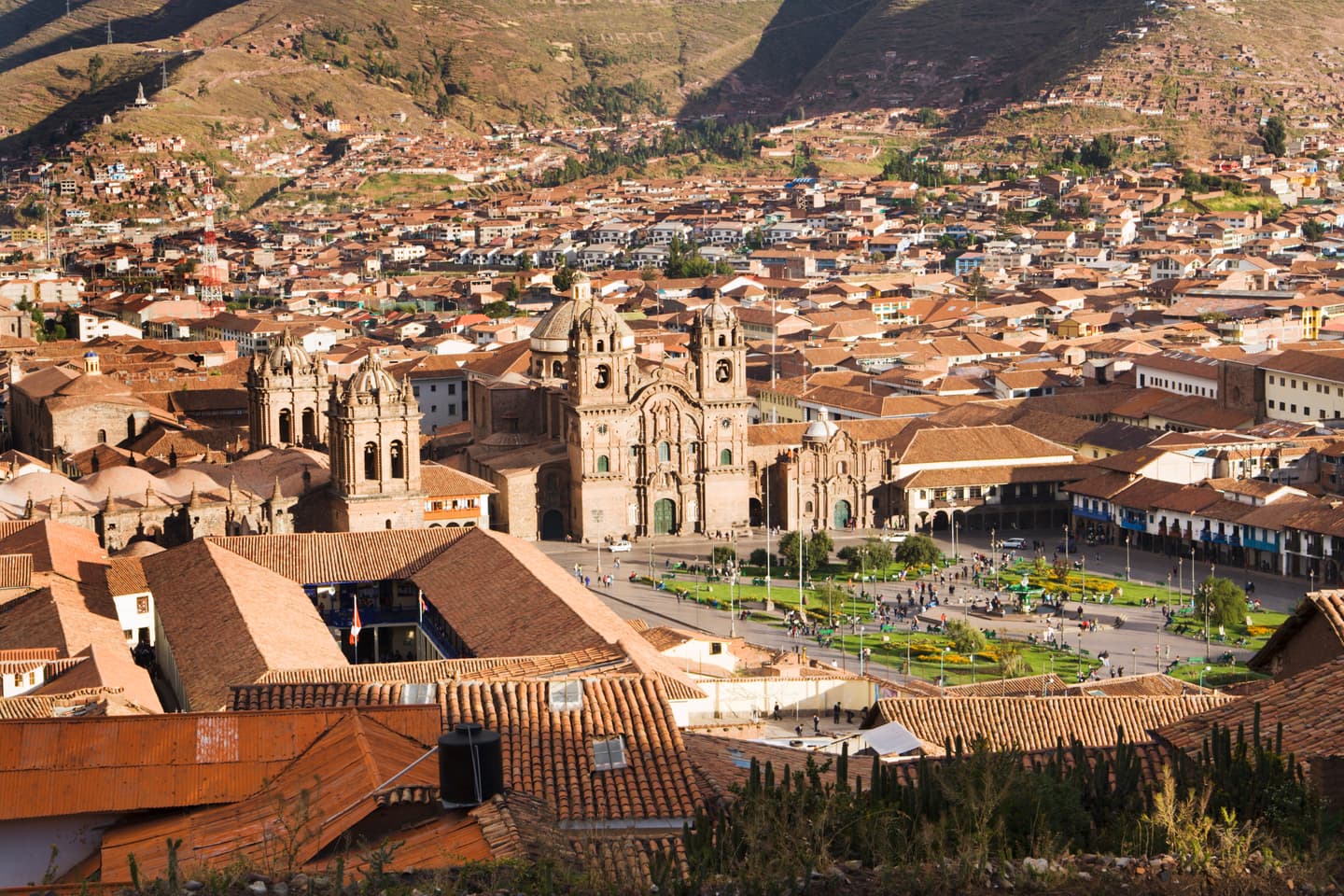
Wander along the narrow passageways of Cusco's historical center, many designed to be just wide enough for llamas to pass each other. Lined with ancient Incan stone walls and 16th-century Spanish architecture, you'll see historical buildings around every corner. Walk slowly on your first day at altitude and stop frequently to shop for soft alpaca sweaters or intricate weavings and to enjoy fresh fruit juice or thick hot chocolate at the city’s many cafés. Chocolate beverages have a long history in the area, as they were used for medicinal and ritual purposes by the Incas and their predecessors, and much of the chocolate served in Cusco is locally made from cacao grown near Machu Picchu.
Marvel at the Qorikancha, a complex of Incan temples dedicated to the sun, moon, stars, rainbow, thunder, and lightning. The 17th-century Church of Santo Domingo was built on and around these temples, making them the best example of modern Cusco's unique blend of Inca and Spanish architecture.
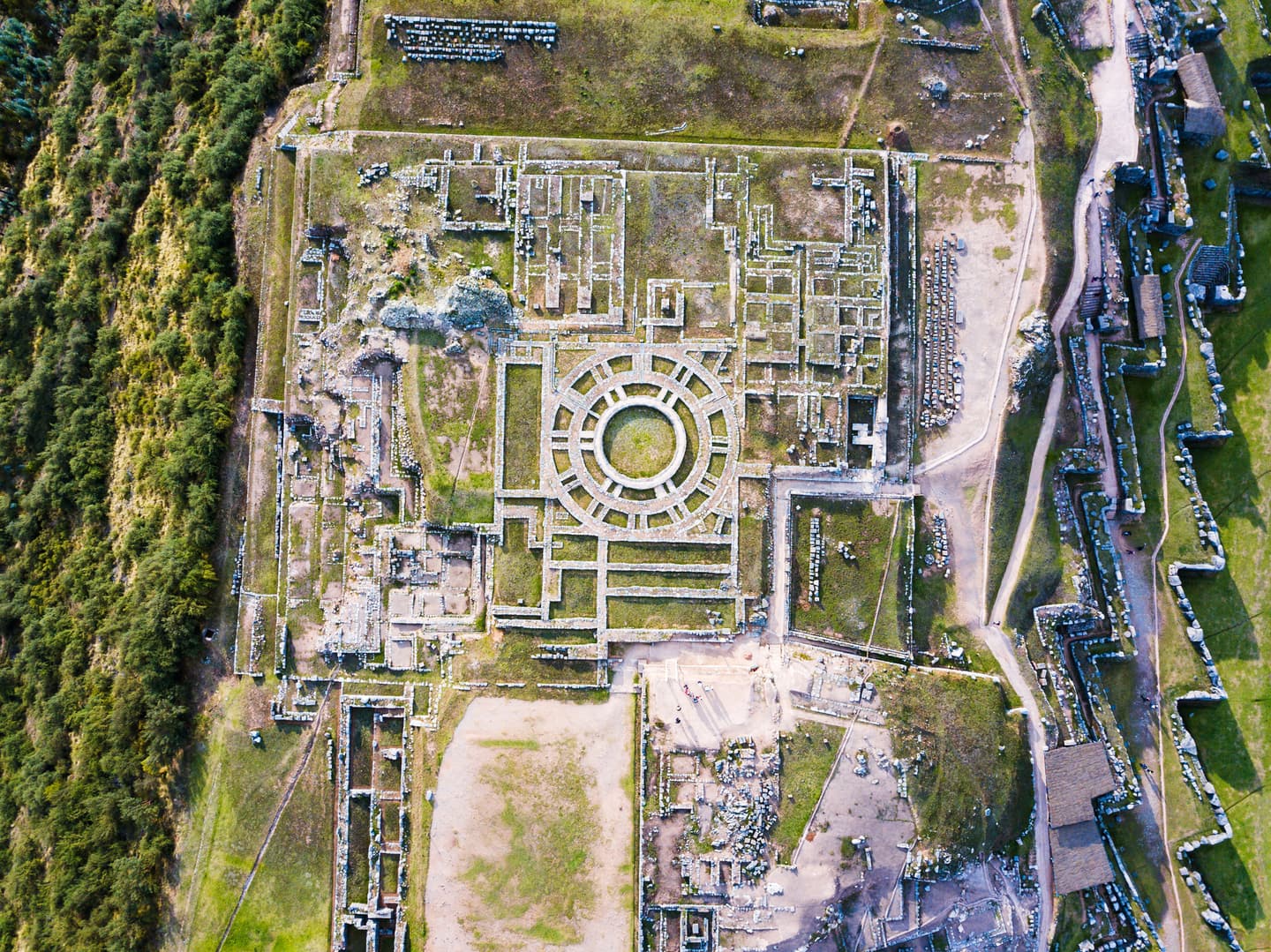
Tour Inca sites in the hills above the city: Sacsayhuamán, Q'enqo, Puka Pukará, and Tambomachay. Start at Sacsayhuamán (pronounced sack-sigh-wah-mon), the massive stone walls that tower over Cusco's historical center. Archaeologists have found offerings from throughout South America here, such as jewelry made with shells from equatorial waters and feathers from the Amazon, and believe that it was once Cusco's main temple. According to tour guides, archaeological studies are exploring a series of Sacsayhuamán pyramids that may have been used as an agricultural calendar. You'll need the Boleto Turístico del Cusco, the Cusco tourist ticket, to visit these government-owned archeological sites. There are four different options for the ticket, depending on which sites you want to see, and prices range from s/70 to s/130 Peruvian Nuevo Soles, about $19-35 USD.
If you only have time for one museum, go to the Pre-Columbian Art Museum for its collections of ceramic sculptures and art made of gold, silver, precious stones, and shells. The art spans 3,000 years, as well as the many different cultures and civilizations that have lived in Peru over millennia.
Sit back and relax — or just catch your breath — in Cusco's many picturesque plazas. The Plaza de Armas has an impressive fountain with a statue of an Inca and views of the Cathedral of Cusco and the Church of the Company of Jesus. The smaller Plazoleta Regocijo has a fountain and shady benches under some of the tallest trees in the city. The most picturesque is Plazoleta San Blas, which has a cascading waterfall fountain and a lovely artisan's market every Saturday.
Where to Eat
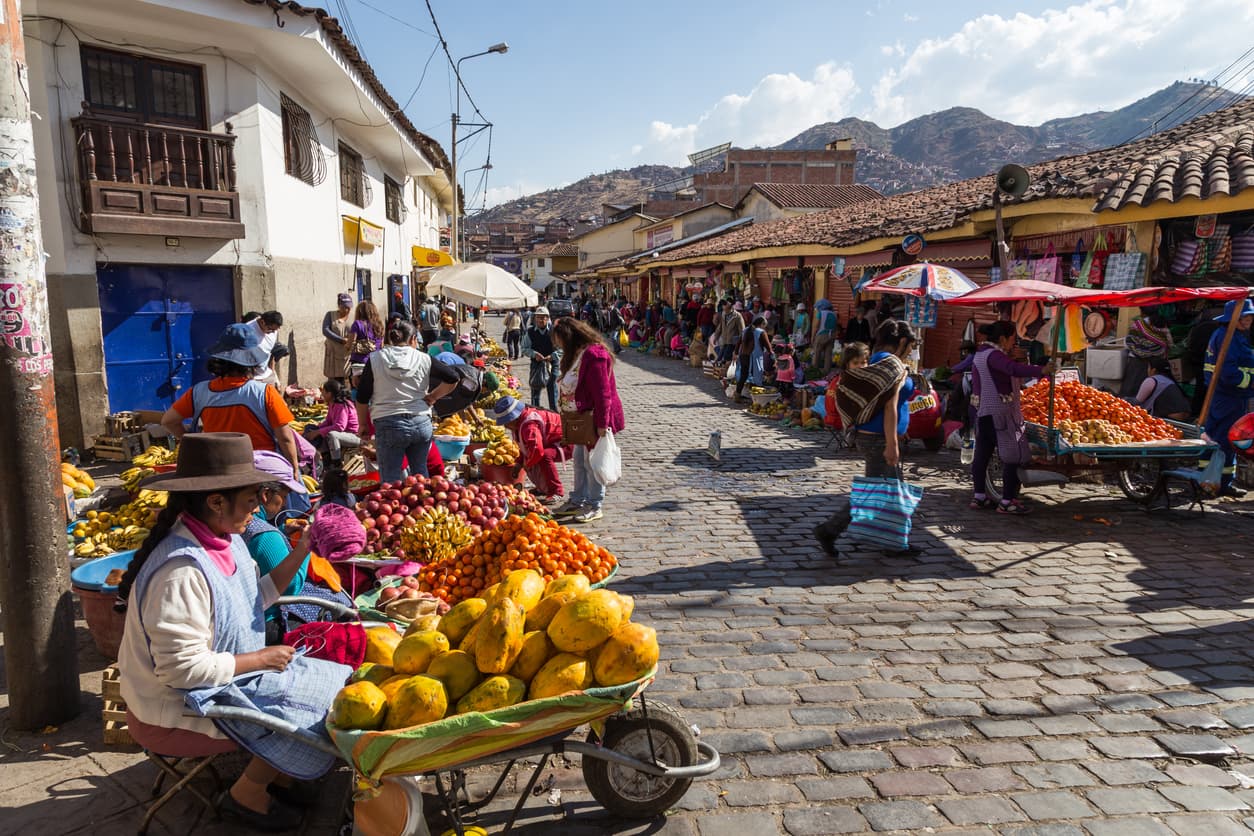
You'll want to eat frequent small meals at Cusco's high altitude until your digestive system has adjusted to having less oxygen, which is the perfect excuse to visit several of the city's best cafés each day. For delicate and delicious pastries made with jungle fruits like lúcuma and chirimoya, visit Cicciolina Café and Cercanía, both of which also have excellent coffee and hot chocolate.
For French-Andean fusion, order a crêpe made with local ingredients like avocado and passionfruit at La Bohème. For the best coffee, go to Café d'Wasi, where you can choose to have your locally grown coffee brewed in a French Press, AeroPress, Chemex, Siphon, or as a pour-over.
When you're ready for something more substantial, reserve a table at Chicha by famed chef Gastón Acurio for stuffed rocoto peppers and pork adobo; at Morena Peruvian Kitchen, famous for its alpaca steak; or at Cicciolina, which has the same owners as Cicciolina Café, for a constantly changing menu of tapas. You don't need reservations at Peruvian spots Kushka, Yaku, or Calle del Medio, where the food is equally gourmet but in a less formal atmosphere.
For a truly local experience, have lunch at a market like Mercado San Blas. Cusco's markets have an area for food stalls, where each cook prepares one or two dishes, such as ají de gallina (Peruvian chicken stew) or lomo saltado (beef stir-fry), until they sell out. Just walk around the stalls and look at people's plates because many don't have a written menu. Portions are large, and most meals include soup and a drink. In Cusco, markets close before dinnertime, so plan your market feast for breakfast or lunch.
In the evening, go to the Plaza de Armas about an hour before sunset and pick a restaurant with a terrace where you can watch the sun go down. Balconies facing the Cusco cathedral point away from the sunset, but that's actually the best view because you can see evening colors reflected on the cathedral façade and the adobe and whitewashed buildings in the San Blas neighborhood.
Where to Stay
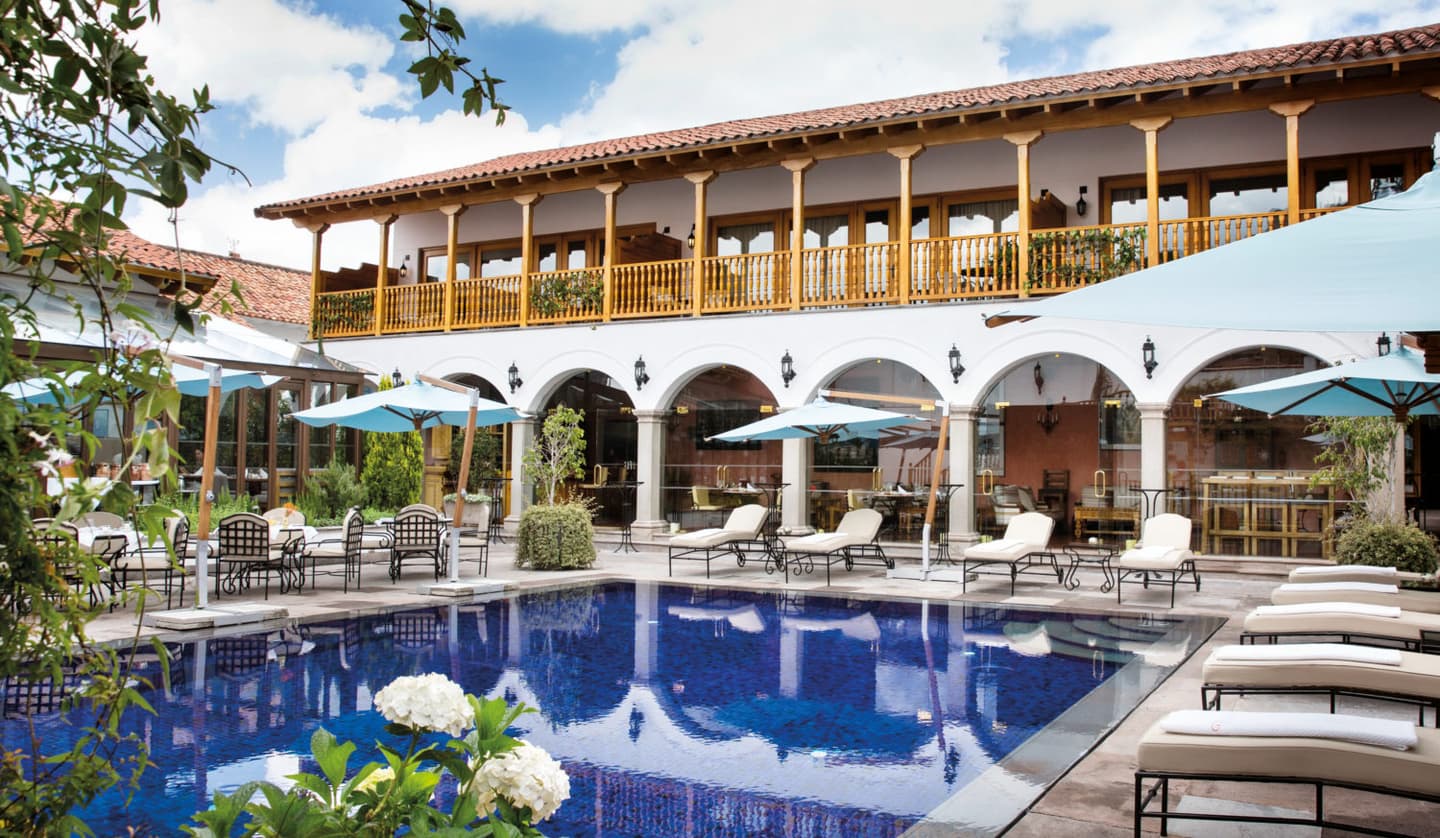
Cusco's most impressive 5-star hotels, like Palacio Nazarenas, a former nunnery and Belmond hotel that has a large spa and Cusco’s only outdoor swimming pool, are on the east side of the Plaza de Armas, around the Plazoleta Nazarenas and Pre-Columbian Art Museum.
The best boutique hotels in Cusco, which usually have small rooms with great views, like Antigua Casona San Blas, are dotted across the San Blas neighborhood, which stretches uphill from Nazarenas on the west side of the Plaza de Armas.
South of the Plaza de Armas are some lavish hotels like Palacio del Inka, which is housed in a 500-year-old mansion and has a spa featuring Andean treatments that use local products like chocolate, coca leaves, and quinoa.
North of the plaza is a mix of small boutique hotels like Casa Conquista and hostels like Qolqampata, in an area with more bars than restaurants. Rooms will likely be small but full of character, as even budget hostels occupy historic buildings. Most hotels and hostels in Cusco include breakfast, and in a city so close to the jungle, that usually means lots of fresh fruit and fruit juice.
How to Get There
There are daily flights to Cusco on several airlines from Lima, Arequipa, and Puerto Maldonado. Driving to Cusco is not advisable because the twisty roads that snake through the Andes Mountains are narrow and prone to accidents.
Best Time to Visit
The best time to visit Cusco is from April to May (fall in Peru), when the summer rains have stopped but everything is still green and beautiful. From September to October (spring) is another fantastic time in Cusco, when the busiest tourist season has slowed down and the first spring rains cover the hillsides with wildflowers.
The main tourist season is from June to August and can get crowded, but there's usually almost no rain, making it the best time for multi-day treks in the mountains, which is why many flock to Cusco. However, that's also winter in South America, so nights are cold, and even sunny days can be chilly. Overnight treks or camping during the rainiest months of February and March, when rivers flood, bridges wash away, and mudslides frequently block roads throughout the Andes, are not recommended.
Know Before You Go
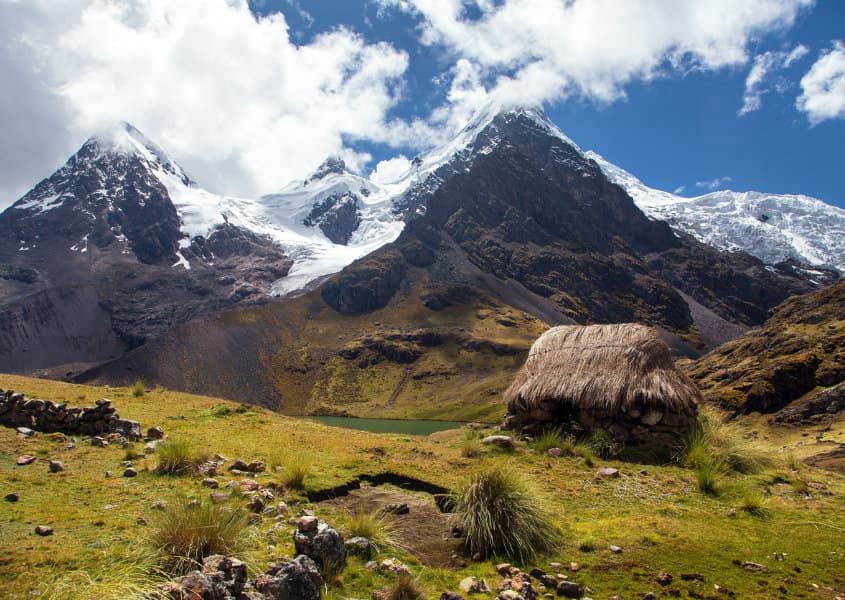
Altitude: Cusco is more than 11,000 feet above sea level. Altitude affects everybody differently, but during the first few days, you should plan to take it easy. Walk slowly, drink twice as much water as usual, and take ibuprofen or acetaminophen to prevent headaches. Many Andean cultures drink coca leaf tea or chew coca leaves to mitigate the effects of altitude, but some travelers are uncomfortable with coca because it can be used to make cocaine (though you should know it takes about a ton of leaves to make one kilo of cocaine).
Packing: Always bring a water bottle with a built-in filter because tap water is not safe to drink unless filtered or boiled, and Cusco has no recycling facility for disposable plastic bottles. Any time of year, pack for the cold but also bring a hat and sunscreen because the sun at altitude is very strong. If you forgot a hat, you'll have plenty of options for either the sun or cold, which also makes a fabulous souvenir (Cusqueñians rarely venture outside without a sunhat). However, if you forgot sunscreen, your options will be limited. Most sunscreen sold in Cusco leaves a heavy white residue on your skin.
Picking a tour agency: Booking directly with a tour agency in Cusco is the best way to know exactly what you're getting. The quality of vehicles and guides' English skills vary widely, but if you book with a third-party company in your home country, it's difficult to know what kind of vehicle and guide will be waiting for you upon arrival. If you're planning to do a multi-day trek, ask about the quality of camping equipment, and if you're hiking the four-day Inca Trail to Machu Picchu, ask how much porters are paid and how much weight they carry. The way guides and porters are paid and treated also varies widely between companies.
Combine With
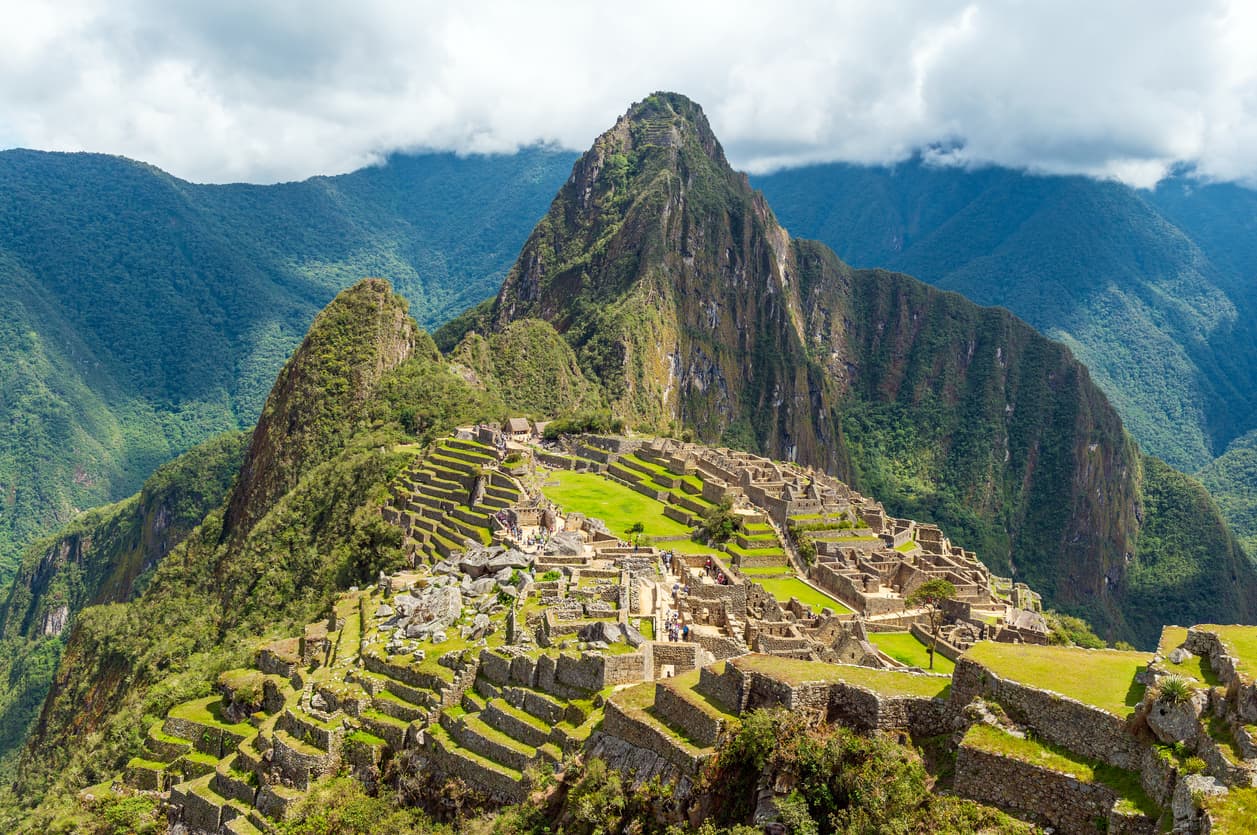
For many, Cusco is the starting point for a trip to Machu Picchu, which is around 68 miles away. Most take the train from Cusco to the town of Aguas Calientes or Pisac, and then take a bus. While walking is possible, few face the serious uphill climb. Word to the wise: Cusco sits at a higher elevation than Machu Picchu (7,972 feet), so saving Cusco for last gives you more time to acclimate.
Most travelers come directly from Lima, the Peruvian capital, though some first visit volcano-encircled Arequipa or the Amazon rainforest around Puerto Maldonado. Each of these places has direct flights to Cusco.
Latest Articles
The World's Best Destinations for Fall Foliage
8 Bucket List Destinations You Can Cruise to on a Budget
The Best Cruises To Celebrate America’s 250th

10 Tips for Getting the Best Cruise Deals During Wave Season
Why Booking Repositioning Cruises Is a Savvy Move — and the Best Ones To Snag This Spring