Unearthing the Secrets of Denmark's Steadfast Happiness and How Travelers can Experience it for Themselves
Once populated by Vikings, who were known for seafaring, trading, and raiding, Denmark is now more associated with equality, sustainability, design, and above all, happiness — something that not only benefits its residents but appeals to visitors as well.
The Scandinavian country consistently ranks at or near the top of the list of the world's happiest countries. The study "The Nordic Exceptionalism: What Explains Why the Nordic Countries Are Constantly Among the Happiest in the World" reveals the most prominent explanations, which include "factors related to the quality of institutions, such as reliable and extensive welfare benefits, low corruption, and well-functioning democracy and state institutions." Nordic citizens also have a high sense of autonomy and freedom, along with high levels of social trust.
Author Michael Booth traveled through all five Nordic countries to discover the secrets of their success for his book, "The Almost Nearly Perfect People: Behind the Myth of the Scandinavian Utopia." On why the Danes are so happy, despite having some of the world's highest taxes, he says that more than "happy," they are "content and satisfied." "Their high taxes mean greater economic equality, one of the foundations of happiness. They have strong levels of trust, the country is generally safe, and they have free healthcare and education — so there is a relatively level playing field in terms of opportunity," he says.
However, apart from the benefits of a welfare state, Denmark also remains high on the happiness index due to culturally embedded philosophies — such as hygge (which involves savoring simple pleasures), friluftsliv ("living in the free air"), and fællesspisning ("communal eating") — that help its six million people live more fruitful, happier lives.
Turns out that those philosophies, which have kept Danes content for centuries, are exactly what most travelers are looking for these days. From cycling along coastal trails and unwinding in tiny cafés to spending quality time with loved ones, Denmark invites visitors to experience a slower, more mindful way of travel. Travelers can not only experience these wellbeing-focused values during a visit, they can also bring them back home into their everyday lives.
Here are the three uniquely Danish concepts to look out for — and embrace — while exploring the country.
Hygge
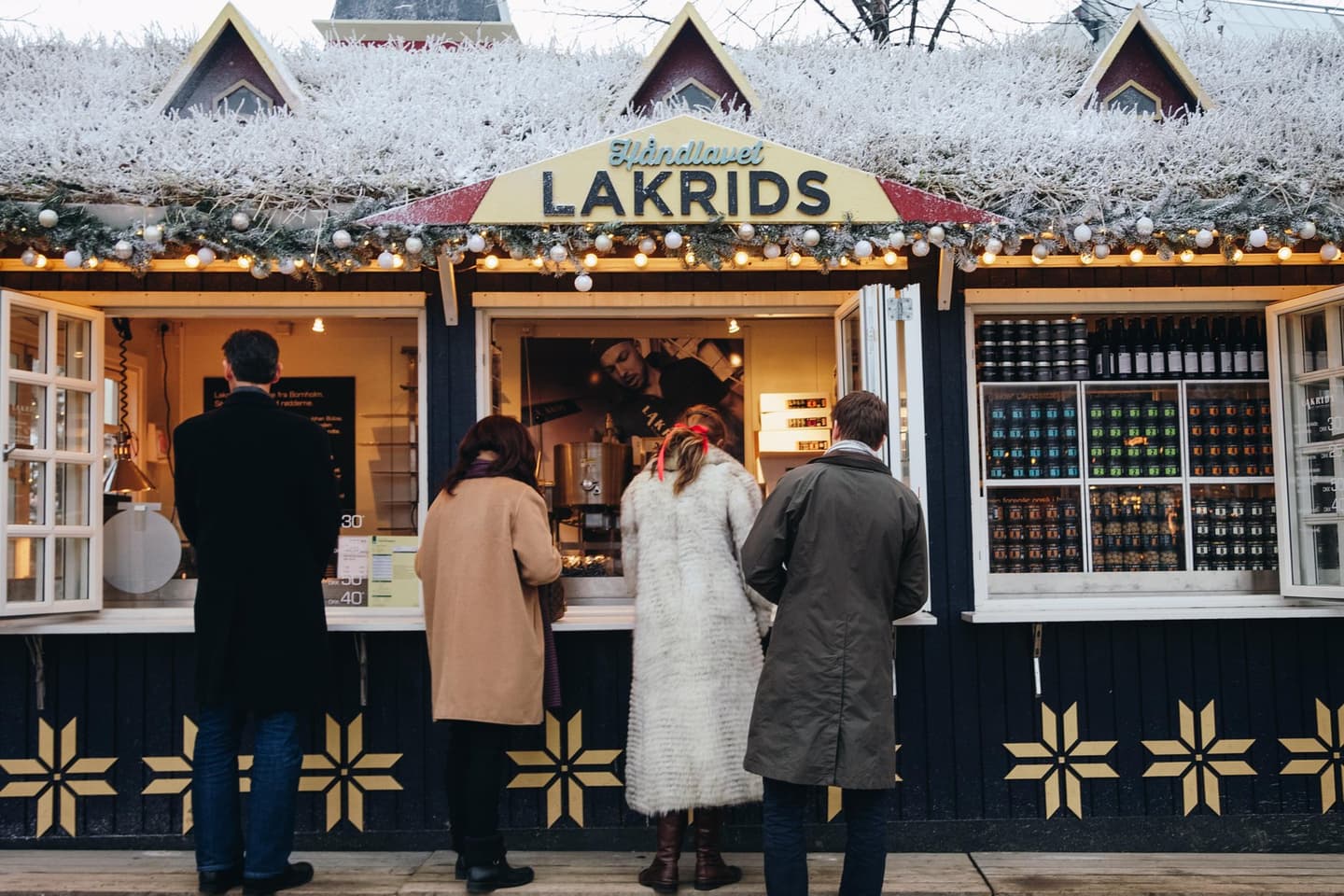
Denmark is known for its attention to hygge (pronounced "hoo-gah"), a word that was added to the Oxford English Dictionary in 2017. Hygge is about taking time away from the daily rush to savor life's small pleasures. It is extremely important to the average Dane, who believes in spending time doing something they enjoy.
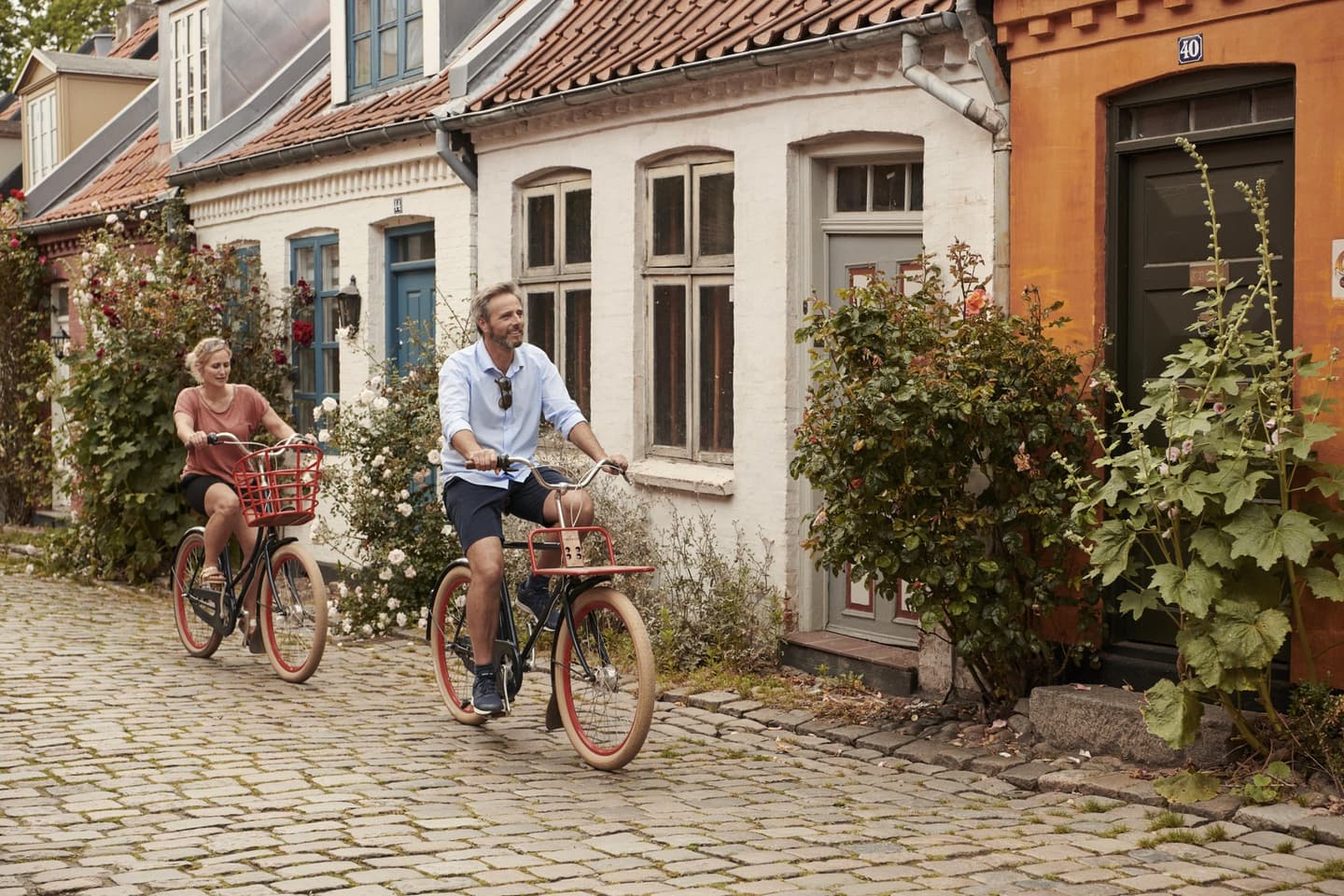
Think freshly brewed coffee savored in a candle-lit Copenhagen café, evenings spent reading by a fireplace in a cozy boutique hotel, slow walks through misty forests in Dyrehaven, or strolling the cobblestoned lanes of Ribe as lanterns begin to glow. In Denmark, hygge is less an activity and more a mood.
Historian Nina Bauer says hygge does not need planning. "A 'hyggelig' time can spontaneously occur when one finds true enjoyment in being right there, experiencing the moment and the people sharing in it."
Food plays a big part in hygge, whether it's in the form of a shared meal or a cup of coffee enjoyed while reading or watching a movie. According to Dr. Marie Helweg-Larsen, Professor of Psychology at Pennsylvania's Dickinson College, hygge is frequently translated as meaning cozy, but a better definition of hygge is "intentional intimacy," such as planning get-togethers with care and deliberation.
How to experience hygge
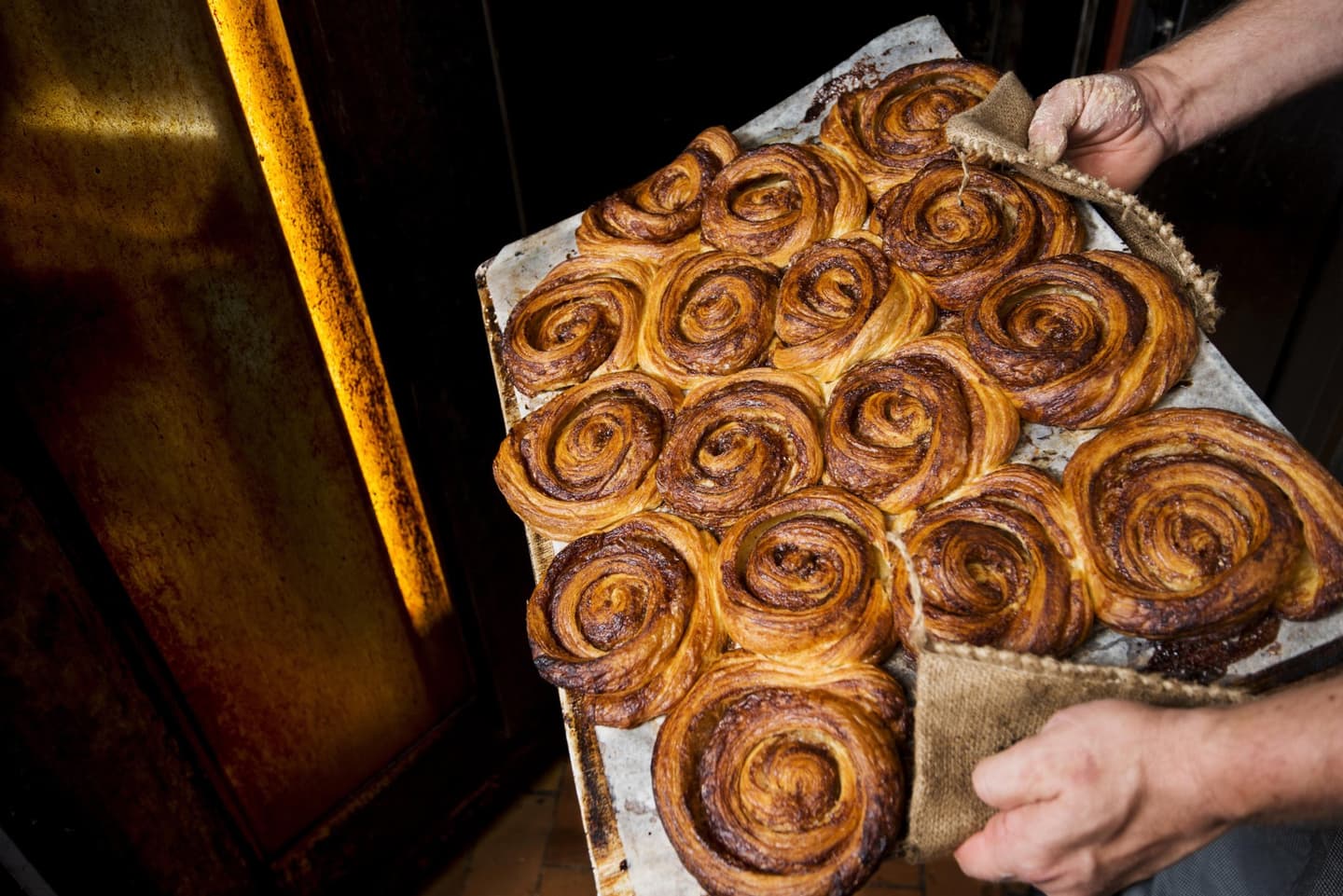
Visitors can get started with the "Hygge and Happiness" tour in Copenhagen, where a local gives their take on what makes Danes among the world's happiest people. The tour showcases old Copenhagen, green spaces, and beloved Danish baked goods. Another hygellig activity is "Social Sailing," a canal tour where the captain facilitates interaction and conversation over drinks. You start out as a group of strangers, and end up friends. Since food plays a vital role in hygge, try a smørrebrød open-faced sandwich at Aamanns, or a cup of coffee with a kanelsnegle (cinnamon snail) or drømmekage (dream cake) at Hart Bageri, Sankt Peders Bageri, or Juno the Bakery.
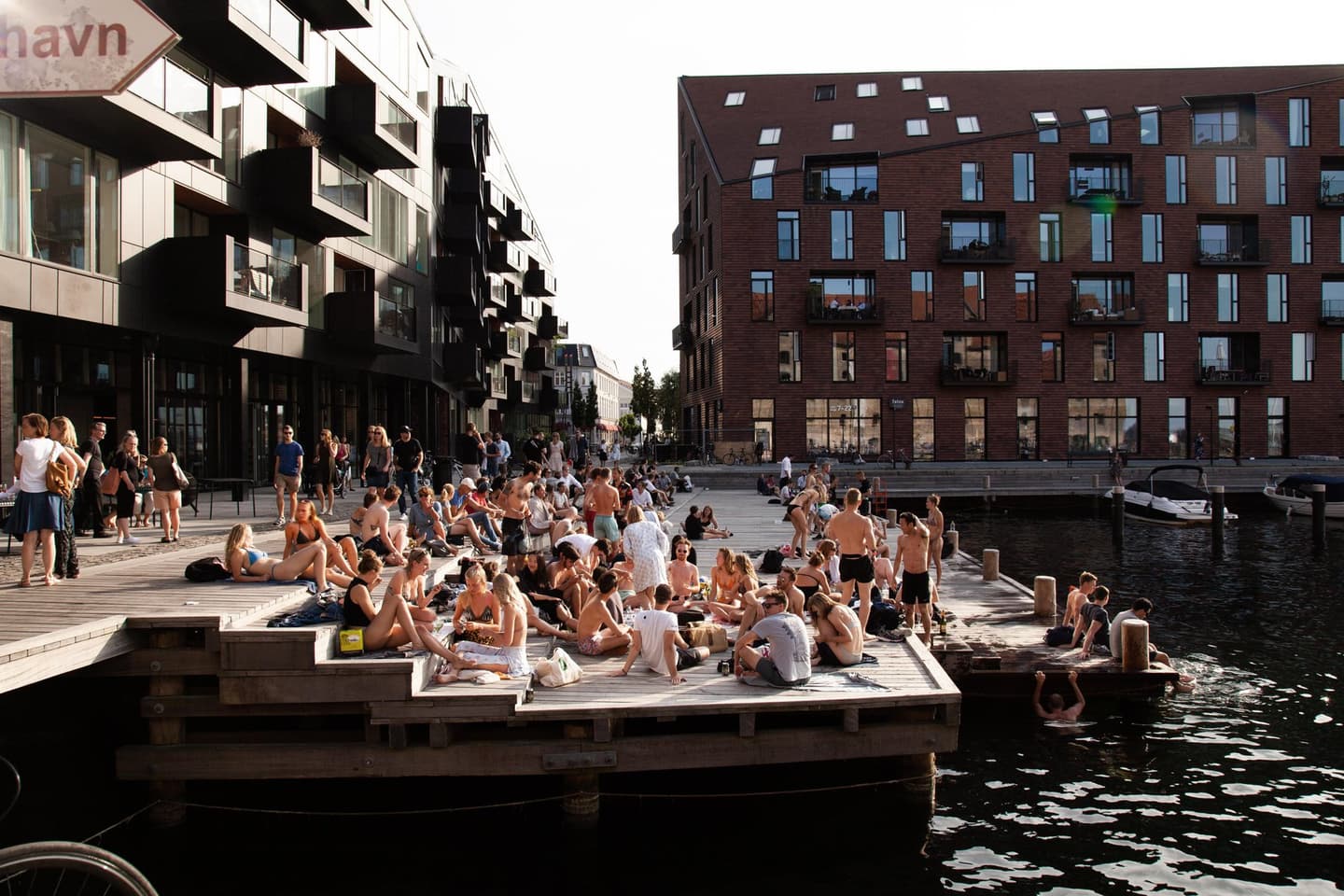
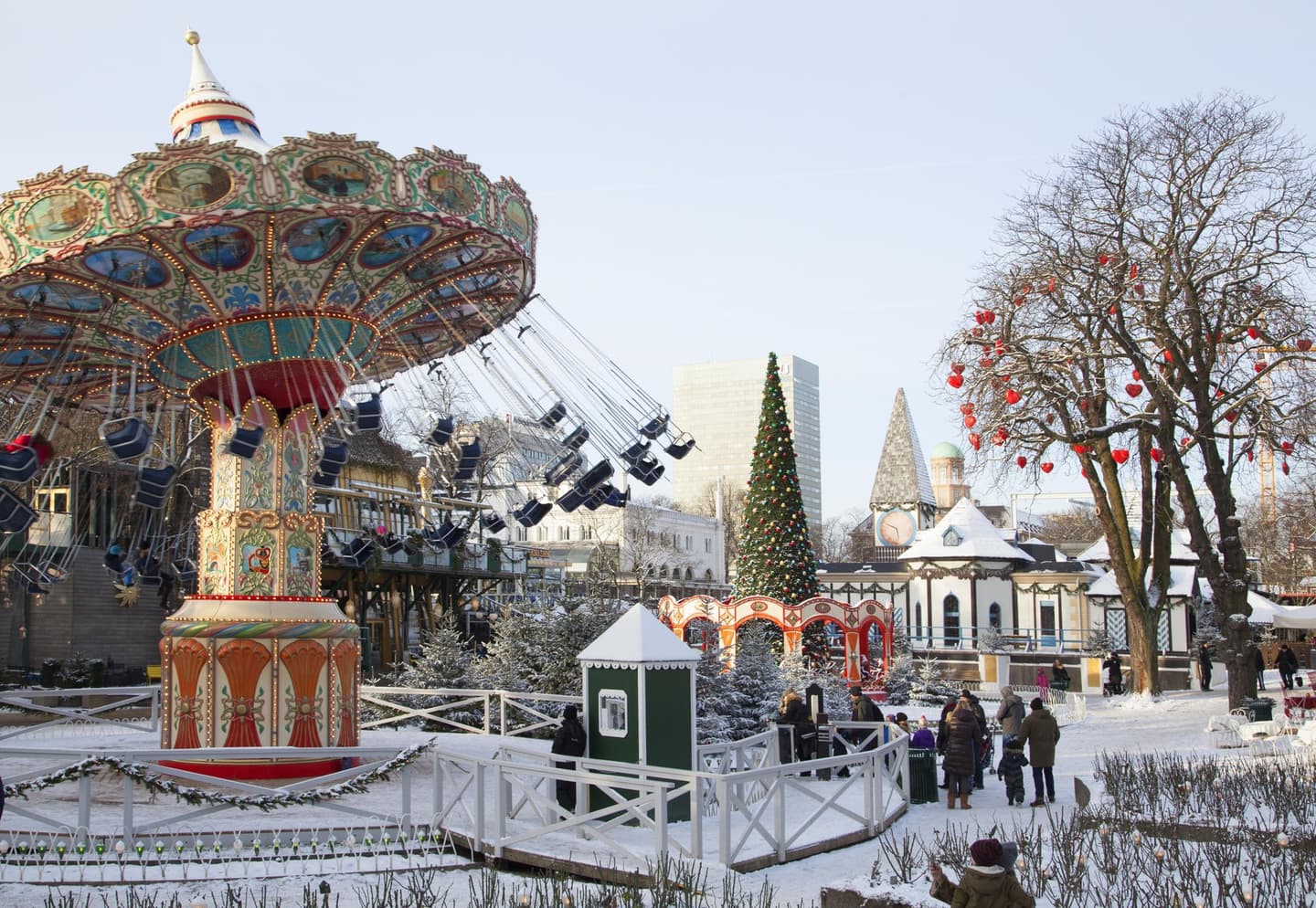
Summer offers many ways to hygge, such as picnics in the park, outdoor concerts, cooking classes, street festivals, cycling expeditions, and solar-powered boat tours. However, most Danes believe that Christmas is the high season for hygge, with its lit candles, mulled wine (known as gløgg), fuzzy socks, and warm blankets. Go ice skating at Frederiksberg Runddel, and head to Copenhagen's Tivoli Gardens amusement park to see its famous holiday lights. Winter swimming at Helgoland Bathing Institution, Islands Brygge Havnebad, or Kalvebod Bølge is sure to give a dopamine hit.
Friluftsliv
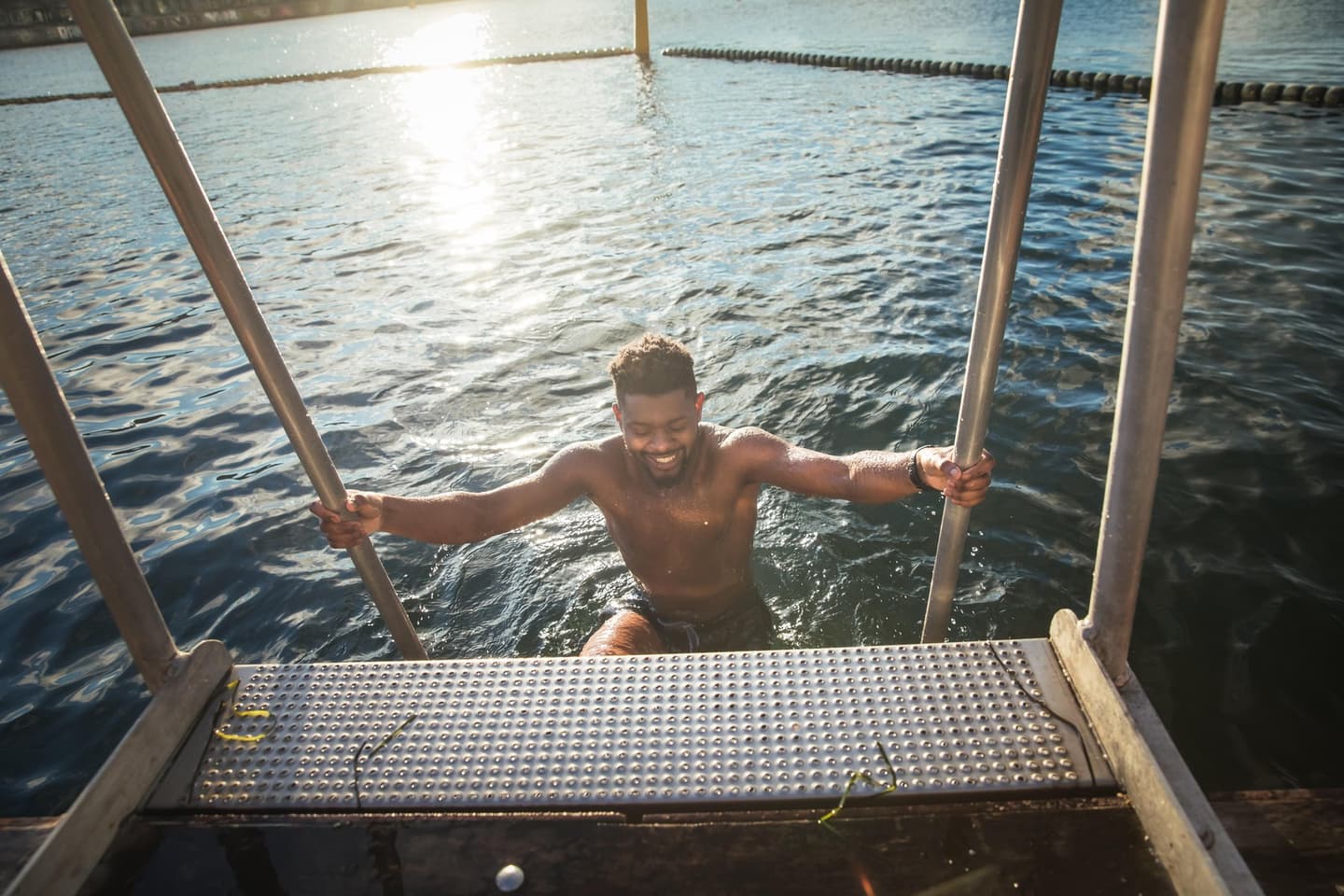
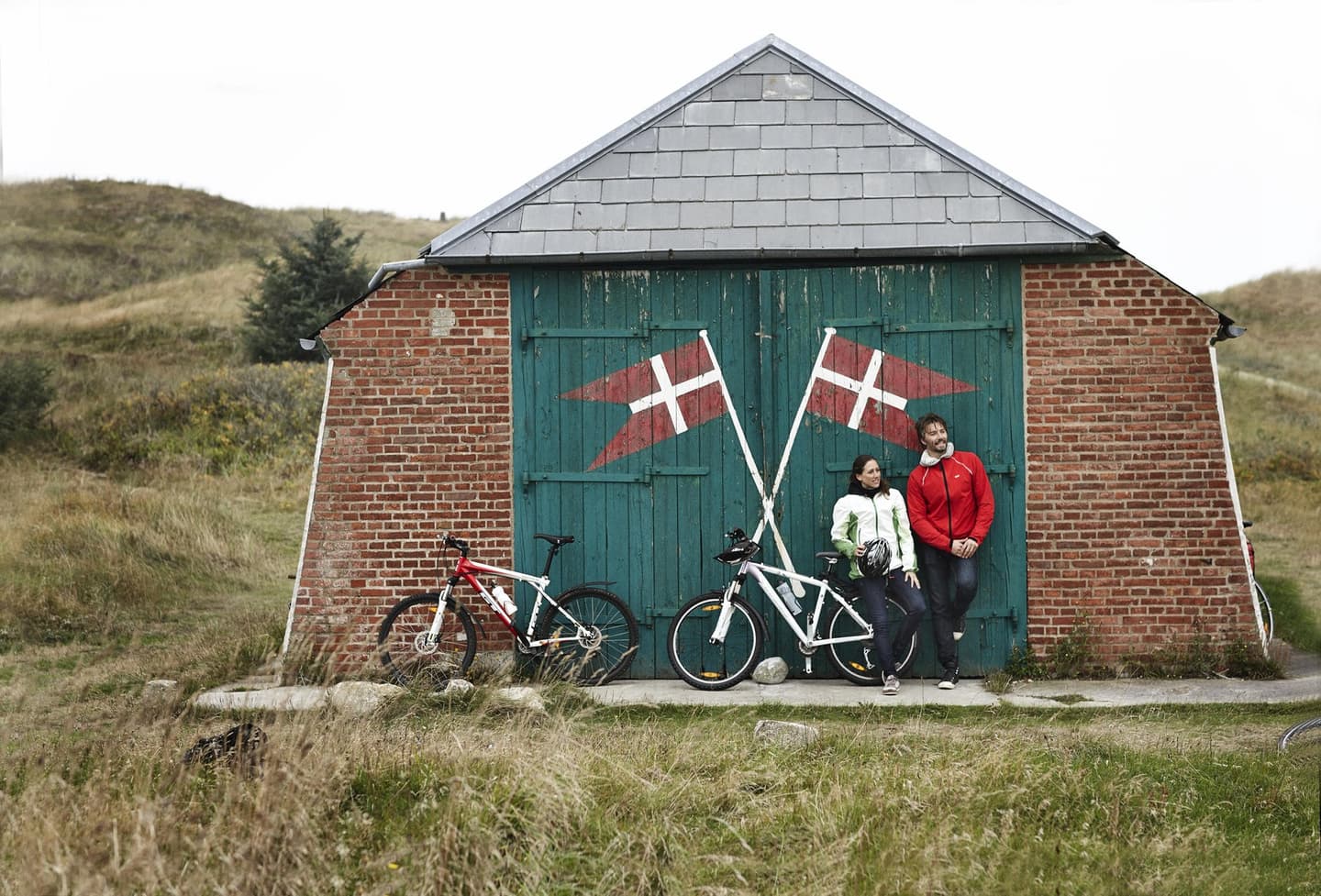
Friluftsliv (pronounced "free-loofs-leaf") translates into "life in the free air" and includes recreational outdoor activities, like hiking, swimming, or camping — something that most Danes enjoy, no matter the weather. Focusing on the small pleasures — a walk by the river or a hike in the forest — is what makes lykke (happiness) consistent across ages and social strata in Denmark.
Bauer adds that friluftsliv is also part of maintaining a good work-life balance, because "sometimes you need to get away from your house to really relax and enjoy your free time." (Denmark is among the top five countries in the world when it comes to work-life balance rankings.) "Danes value a good work-life balance, which leaves plenty of room for family, hobbies, and other leisurely pursuits in friluftsliv," she says.
How to experience friluftsliv
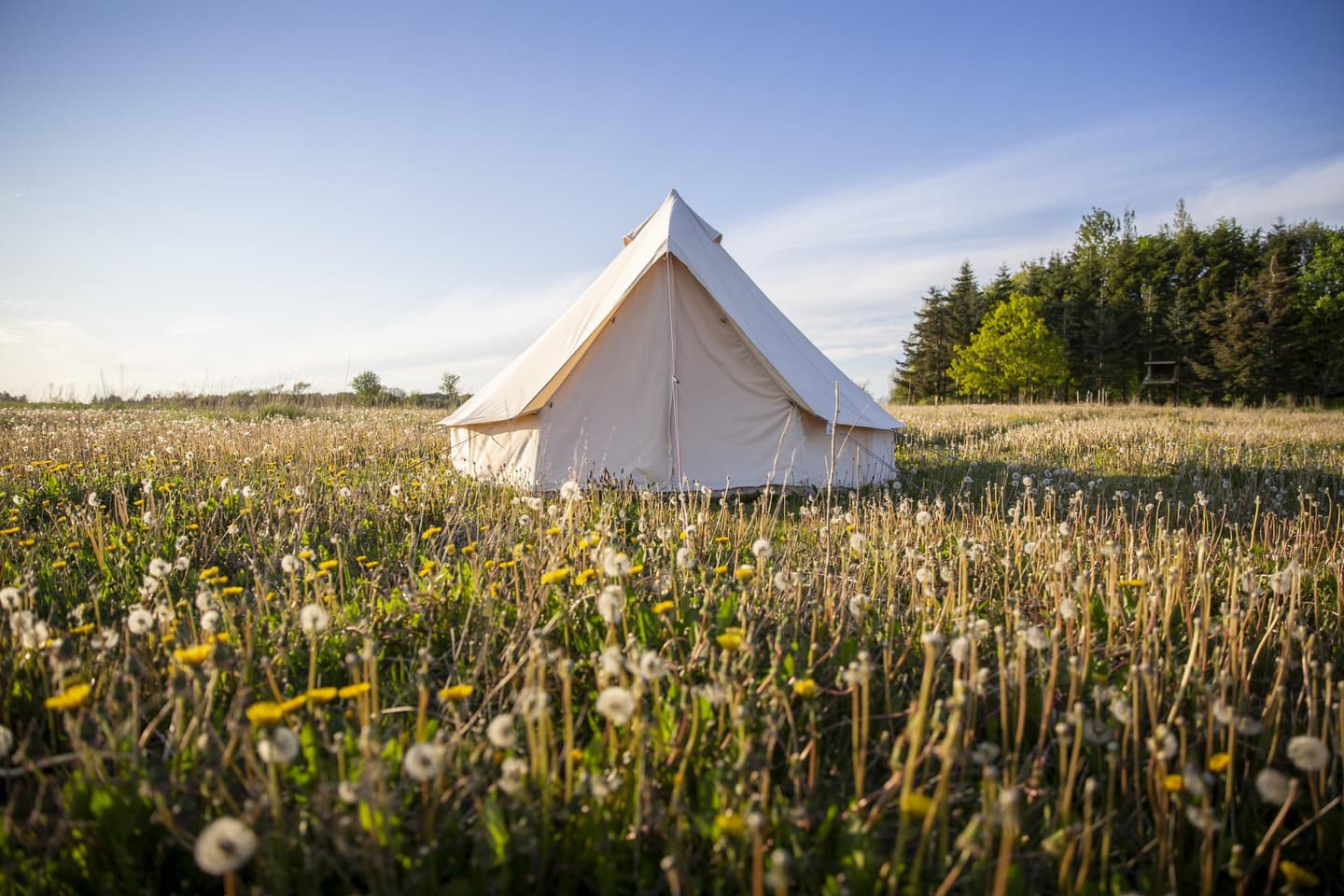
Head to one of Denmark's five beautiful national parks or the Odsherred UNESCO Global Geopark. Stargaze at Scandinavia's first International Dark Sky Park at Møns Klint, a 6-kilometer (3.7-mile) coastal chalk cliff located on the island of Møn, a UNESCO Biosphere Reserve and Denmark's candidate for UNESCO World Heritage Status. There are many hiking and biking routes to explore, including Istidsruten, the Ice Age walking route, and the 27-kilometer (16.7-mile) Amarmino hiking route, which passes the gorgeous nature reserves of Amager Fælled and Kalvebod Fælled.
New friluftsliv experiences include stargazing shelters at Brorfelde Observatory, the Løvtag treetop houses, and glamping yurts at Camp Adventure.
Fællesspisning
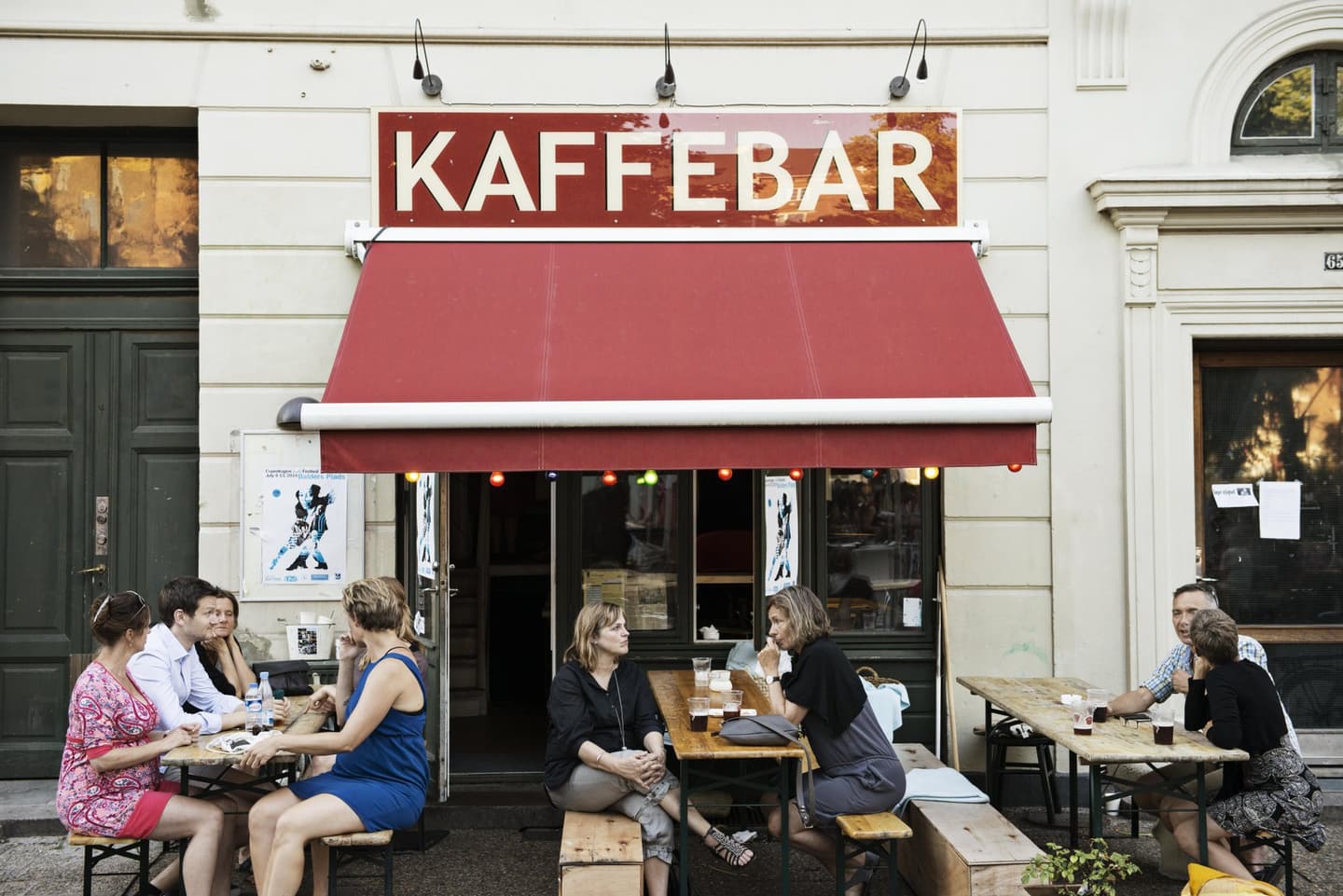
After getting away from it all, the Danish return to family and friends to enjoy fællesspisning (pronounced "fellu-spees-ning"), which directly translates into "communal eating." The heartwarming practice involves a group of people either sharing a meal or bringing their own food and eating it together at a folkekøkken (community kitchen).
Recently, numerous communal dining spaces have popped up across Copenhagen. At all these spaces, the food is simple and the focus is on connection and conversation. There are no waiters, and volunteers from each table collect the used food, plates, and cutlery. Guests can buy reasonably priced drinks, including alcohol, share a meal, and help clean up. Sharing simple tasks with strangers and friends often leads to quick exchanges and sometimes long conversations.
Brian Funk, marketing and communications manager at Aamanns, says Danish cultural traditions like fællesspisning and folkekøkken emphasize "togetherness." These social dining experiences bring people, friends, and family — along with strangers — together. Apart from building social connections, communal dining also provides affordable meals for everyone, strengthens local communities through shared experiences and activities, and promotes sustainability through shared cooking and food waste reduction.
How to experience fællesspisning
Visitors can check out communal dining spaces across Copenhagen: Favorites include Absalon, Copenhagen's most popular community dining and hangout space (6 p.m. onwards daily); Kanalhuset, an eatery with stunning views of the canals (7 p.m. onwards daily); Send Flere Krydderier, a social economic enterprise that aims to create jobs for ethnic minority women (5 p.m. - 8 p.m., Tuesday–Thursday); KU.BE, a child-friendly culture and community house (5.45 p.m. onwards; Mondays only); and KraftWerket, a community kitchen that serves 100% plant-based meals (6 p.m.; Tuesday; 5 p.m. -7 p.m.; Sunday).
Happiness is challenging to define, but Denmark seems to find it in meaning, purpose, and contentment. Booth nails it in "The Almost Nearly Perfect People" when he writes that "Perhaps Danish happiness is not really happiness at all, but something much more valuable and durable: contentedness, being satisfied with your lot, low-level needs being met, higher expectations being kept in check."
Latest Articles
The Best Cruises To Celebrate America’s 250th

10 Tips for Getting the Best Cruise Deals During Wave Season
Why Booking Repositioning Cruises Is a Savvy Move — and the Best Ones To Snag This Spring
Everything You Need To Know Before Chartering Your First Yacht — Which Can Be a Better Deal Than a Mainstream Cruise
The 20 Best Cruise Itineraries for 2026 & 2027