To Truly Savor a New Destination, Try Multi-Week "Living In" Tours
I've had my share of group tours with itineraries that felt more like tasting menus than hearty meals, always packing and unpacking, rushing from one excursion to the next, with little time to savor a destination. By the time I returned home, I needed a vacation from my vacation.
Smithsonian Journeys, however, takes a different approach with its three-week European "Living in …" tours, designed for slow discovery. Each focuses on a single city or region, allowing guests to immerse themselves in the sights and sounds of daily life as it unfolds. Using this framework, guests enjoy the best of both worlds: shared adventures with fellow travelers and ample time to explore on their own. A dedicated program director manages the logistics, serving as both concierge and troubleshooter to ensure everything runs smoothly.
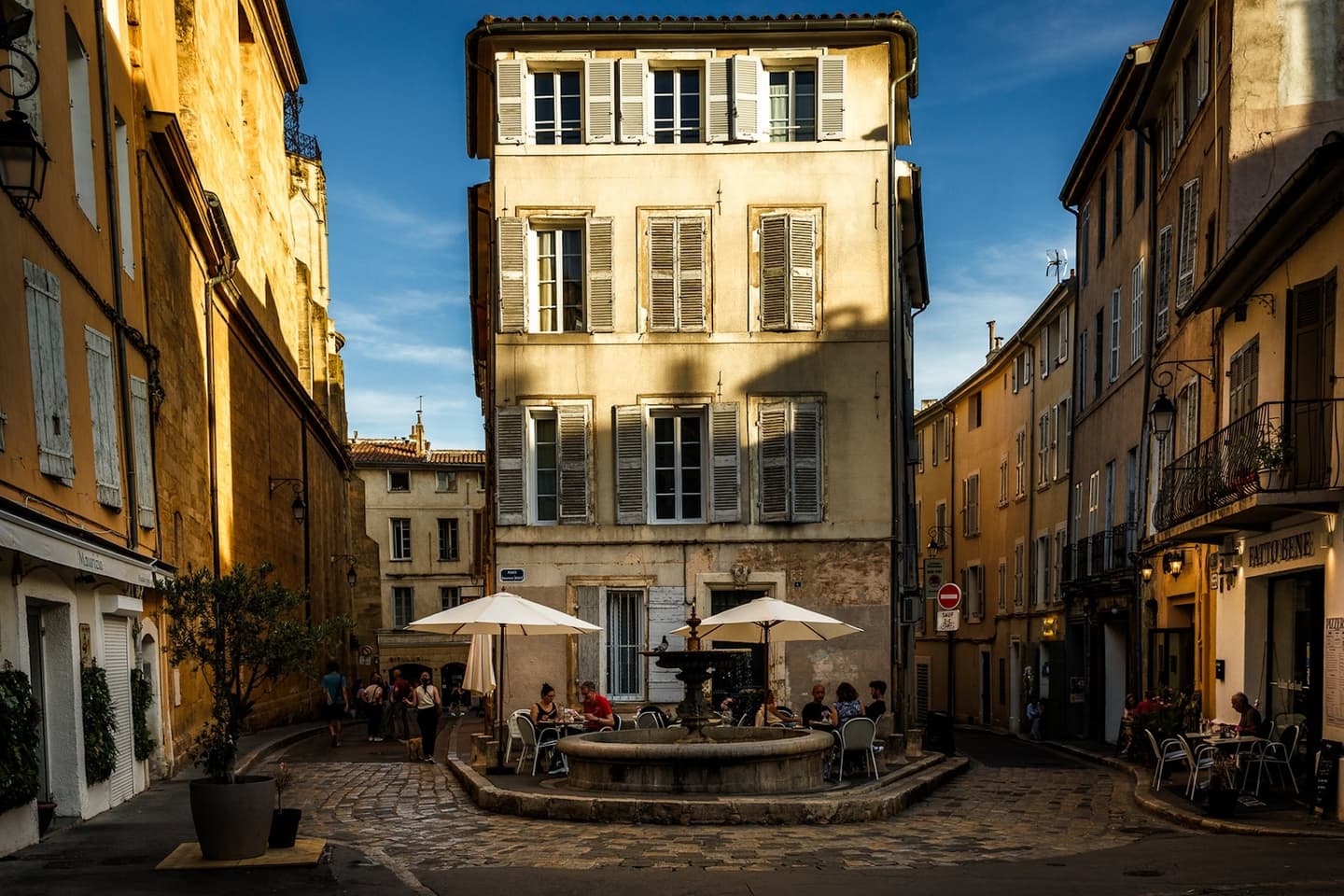
Tempted by dreamy options in Florence, Andalusia, Lisbon, and Vienna, I dusted off my high school French to join 27 fellow travelers in Aix-en-Provence — a sun-drenched university town with ancient Roman roots. Picture lively outdoor cafés, historical ochre facades, secluded courtyards, and evenings with laughter and rosé beneath a canopy of string lights.
As part of the Smithsonian program, each guest could choose one of three enrichment tracks — French cuisine, art and architecture, or French classes — to be included in their trip. Many of my fellow travelers added a second or third at an additional cost, and scheduling was such that nothing overlapped.
Always eager to eat well, I picked the culinary program. Out of four workshops, two delicious afternoons were spent at Ma Cuisine, a charming space that's part commercial kitchen, part artisan home goods store, run by chef and entrepreneur Olivia Aurelle. We prepared three-course meals, including a creamy asparagus soup with crispy pancetta, veal and zucchini in an olive-basil sauce, and an impossibly gooey chocolate lava cake. The other two sessions took us on food tours through Aix's green markets and shops, and ended with a standout wine and cheese pairing class.
Home was the Aparthotel Adagio, ideally located just steps from the center of town. I opted for a bright and comfortable studio equipped with a kitchenette where I could cook a quick meal and skip dining out when I felt like it.
Each day, one or two activities brought our group together. We shared several meals with set menus, such as velvety salmon fillets at Les Artistes, succulent Beef Bourguignon at Jardin Mazarin, and savory chicken with rosemary sauce at Il Etait Une Fois.
Stella Rybaka, our local guide, kicked off our adventure with an introductory walking tour of the city's heart, the Vieille Ville (Old Town). We walked down the famed Cours Mirabeau, a broad pedestrian boulevard dotted with fountains and shaded by soaring plane trees. Home to sidewalk cafés, quaint shops, and a weekly outdoor market, the avenue separates the maze-like streets of the medieval district from the neatly rowed 17th-century mansions of the Quartier Mazarin.
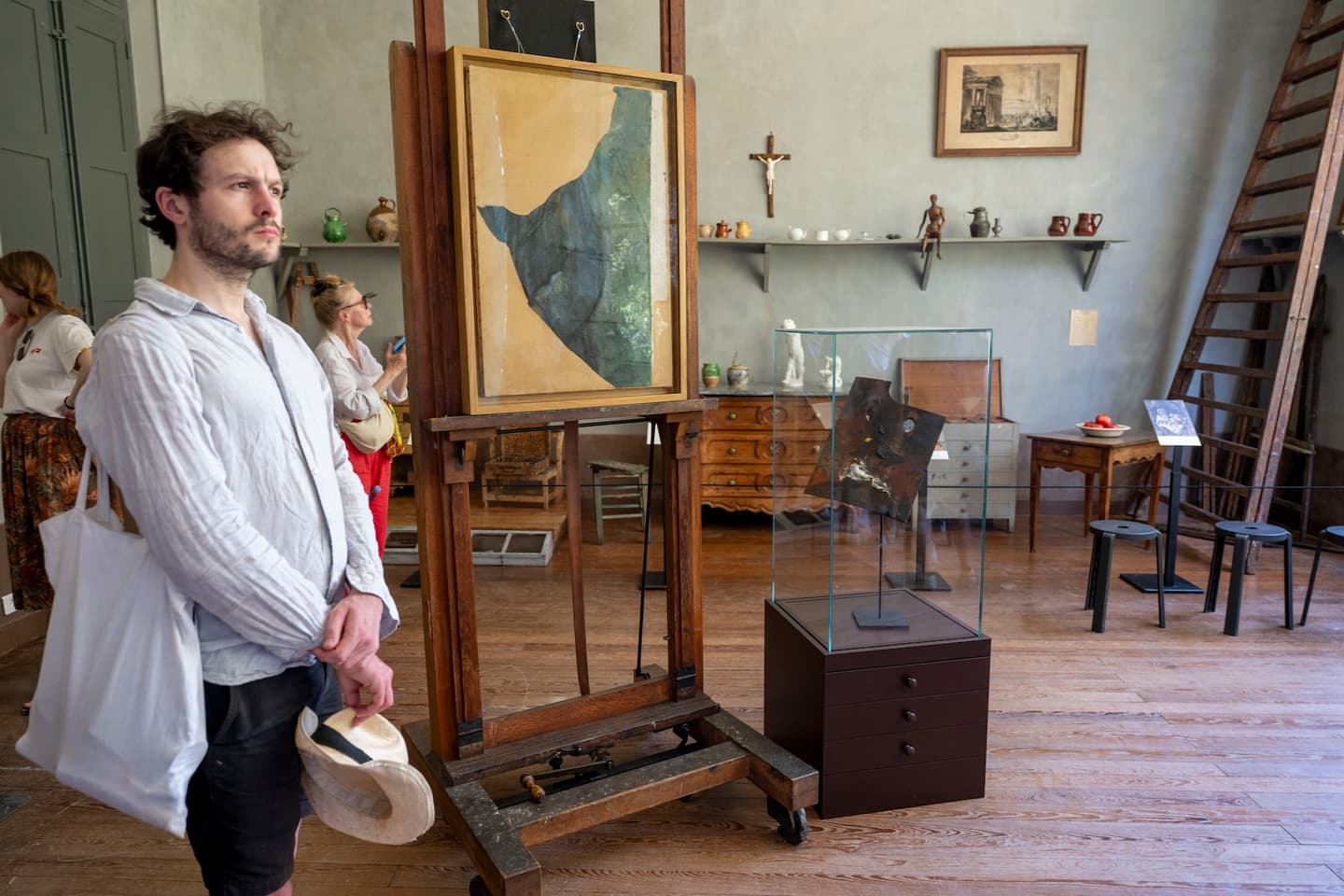
Regardless of which track you choose, you'll leave with a well-rounded experience. Experts spoke to us about Aix's rich history, Cézanne, the post-impressionist painter, who spent most of his life in the area, and Van Gogh, who completed over 200 canvases in nearby Arles. We also took a walking tour that highlighted significant locations in Cézanne's life — his school, his father's haberdashery, the restaurant he favored, and the building where he died.
Unfortunately, the timing of our stay coincided with the closure of some of the sites most closely associated with Cézanne. His family home, the Jas de Bouffan, and his studio, Atelier des Lauves, were in the final stages of restoration. To mark their reopening, the Musée Granet was mounting a blockbuster exhibition, "Cézanne au Jas de Bouffan," which meant the museum, too, was closed to visitors.
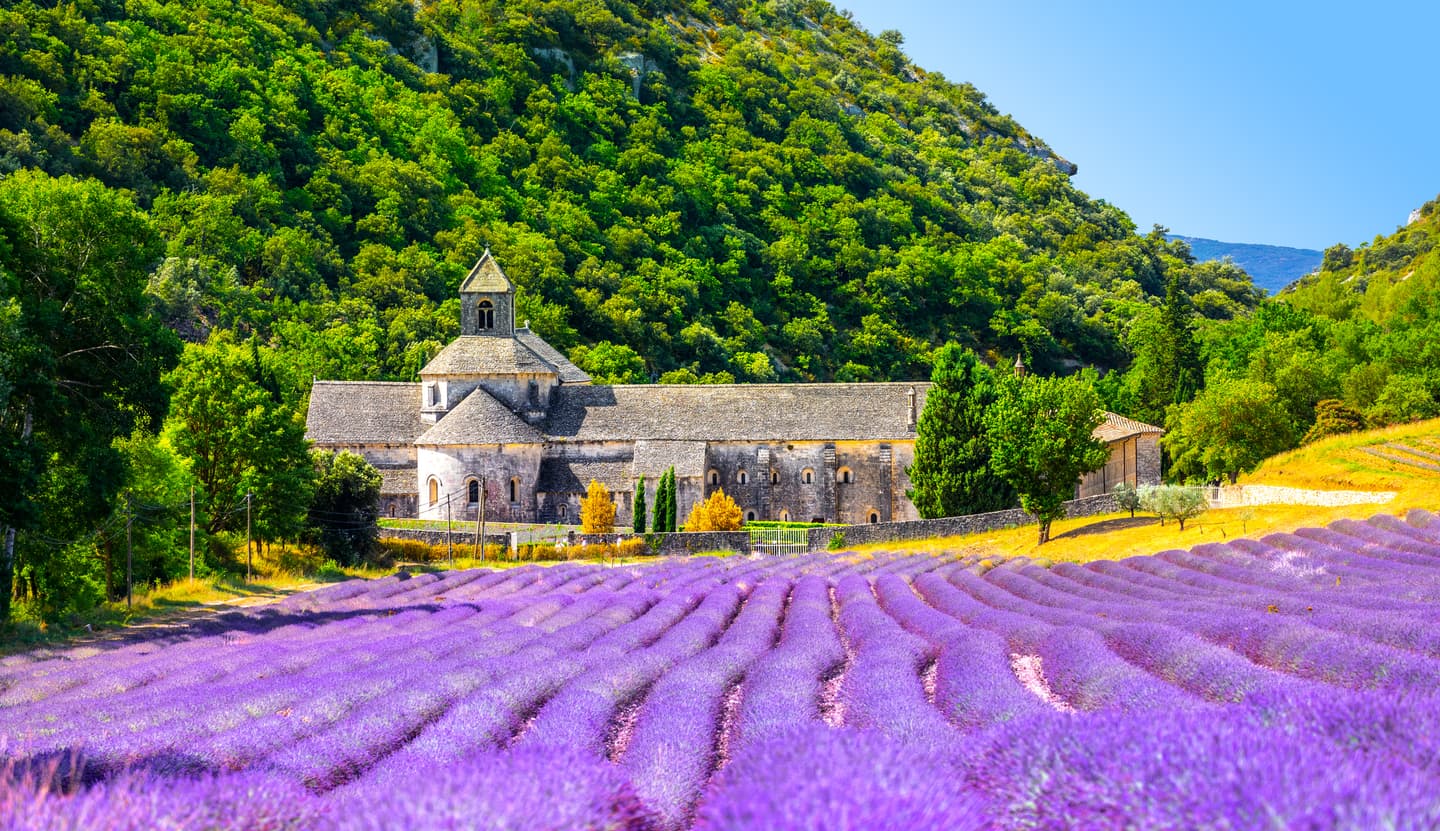
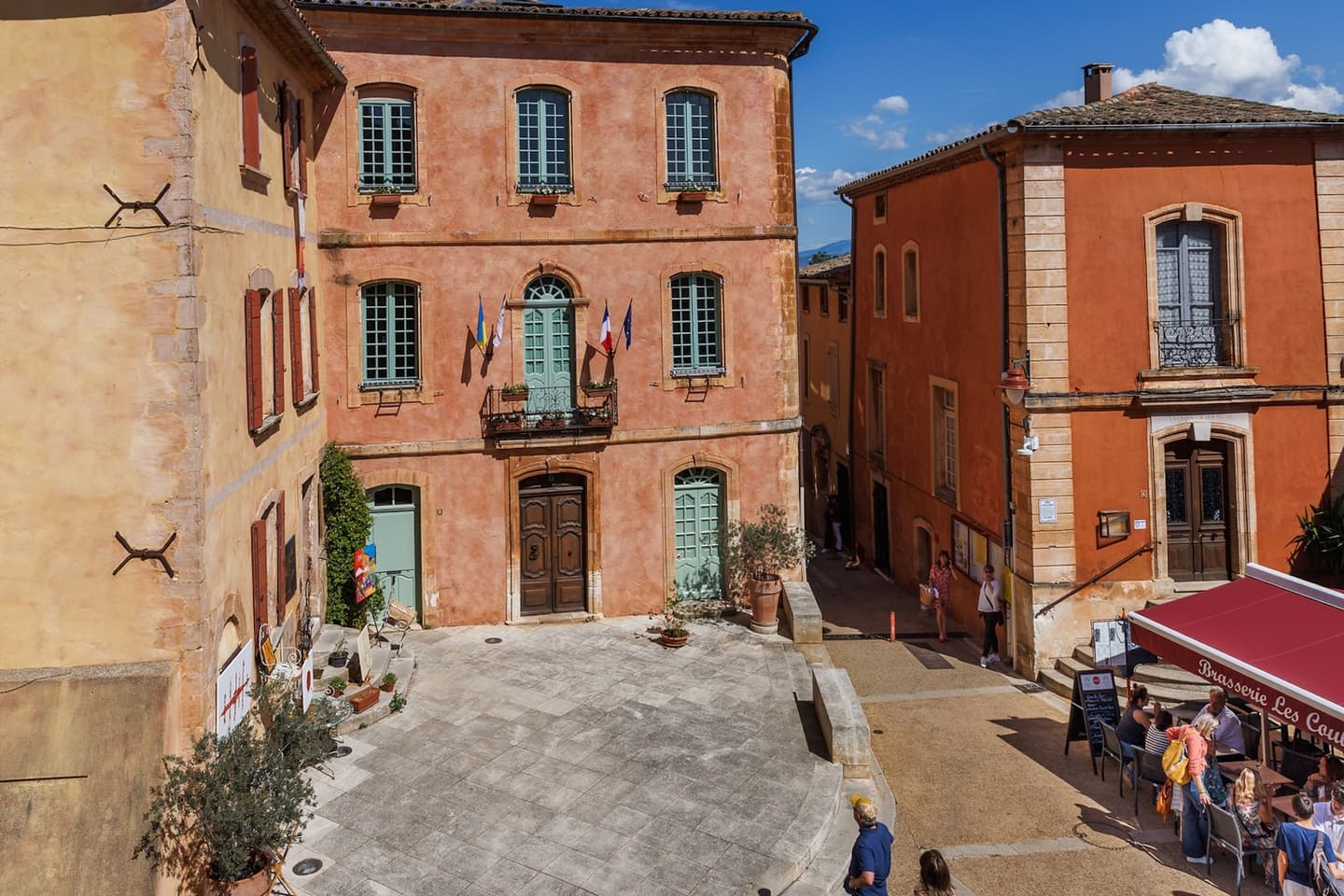
On weekends, we discovered Provence with a mix of guided tours and free time. In the Luberon, we visited the Lavender Museum and browsed one of France's finest flea and antique markets in L'île-sur-la-Sorgue, and wandered the winding streets of Roussillon, a hilltop hamlet fashioned from red ochre mined from a local quarry.
In Avignon, we toured the Palais des Papes, Europe's largest Gothic palace and the seat of nine successive popes in the 14th century. From the hilltop perch of the Basilica Notre-Dame de la Garde in Marseille, we looked out across the Vieux Port (Old Port), the city's cultural hub, where fishing boats and luxury yachts shared a marina bordered by a patchwork of pastel-colored hotels. But the real showstopper was Pont du Gard in Occitanie, a 2,000-year-old Roman aqueduct with three tiers of limestone arches soaring over 157 feet high.
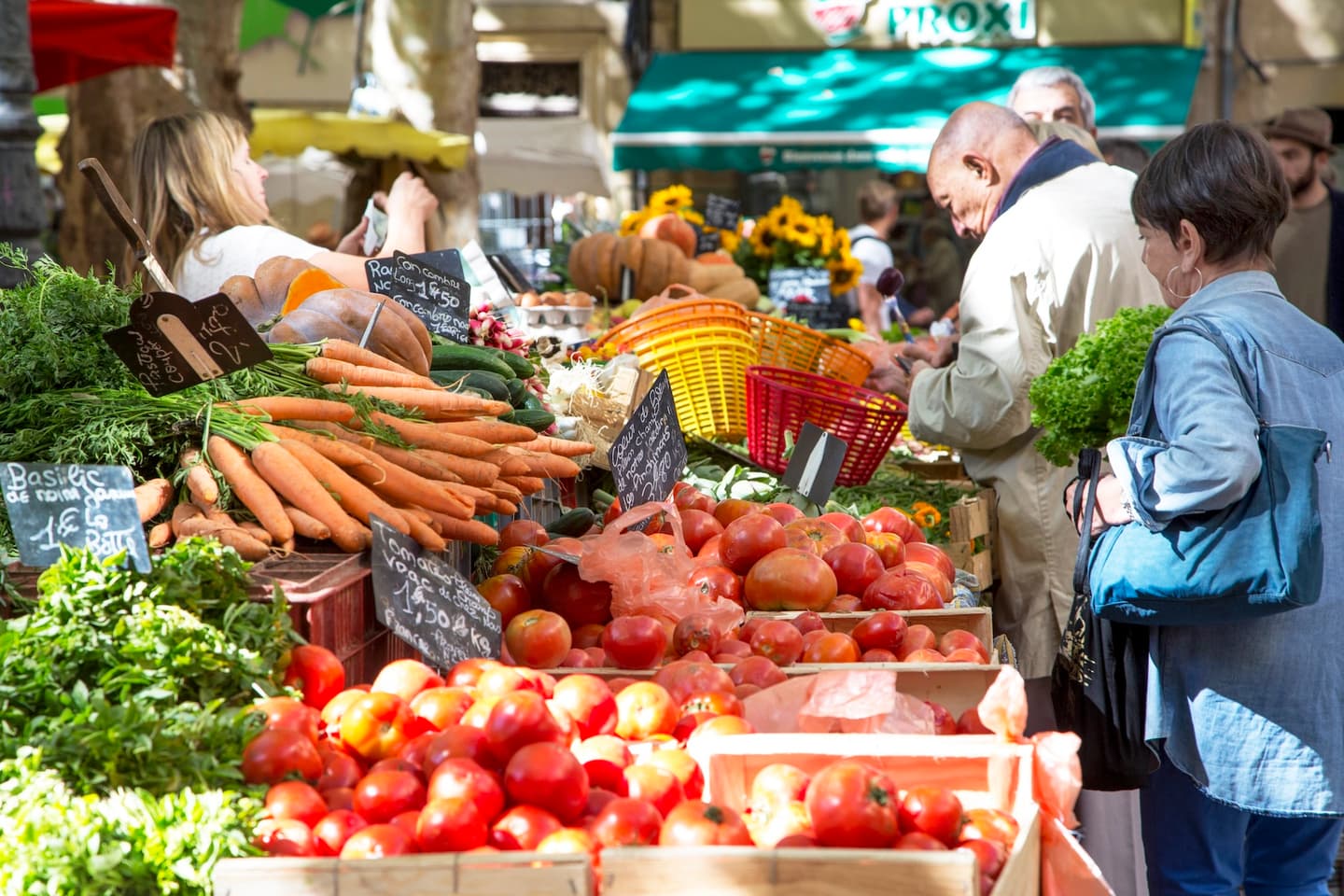
On my own, I spent much of my time exploring Aix, getting to know its rhythm. I shopped at the green markets, held every Tuesday, Thursday, and Saturday from 8 a.m. to 1 p.m. Beyond the high-quality produce and homemade baked goods, their lively, diverse crowds made them one of the best places to experience the city.
In the mornings, I often stopped at Christophe Madeleines for the shop's freshly baked namesake desserts. I learned quickly that for the best selection, I needed to arrive early or go without. The original shell-shaped cakes never failed to impress, but I fell hard for the raspberry and coconut flavors.
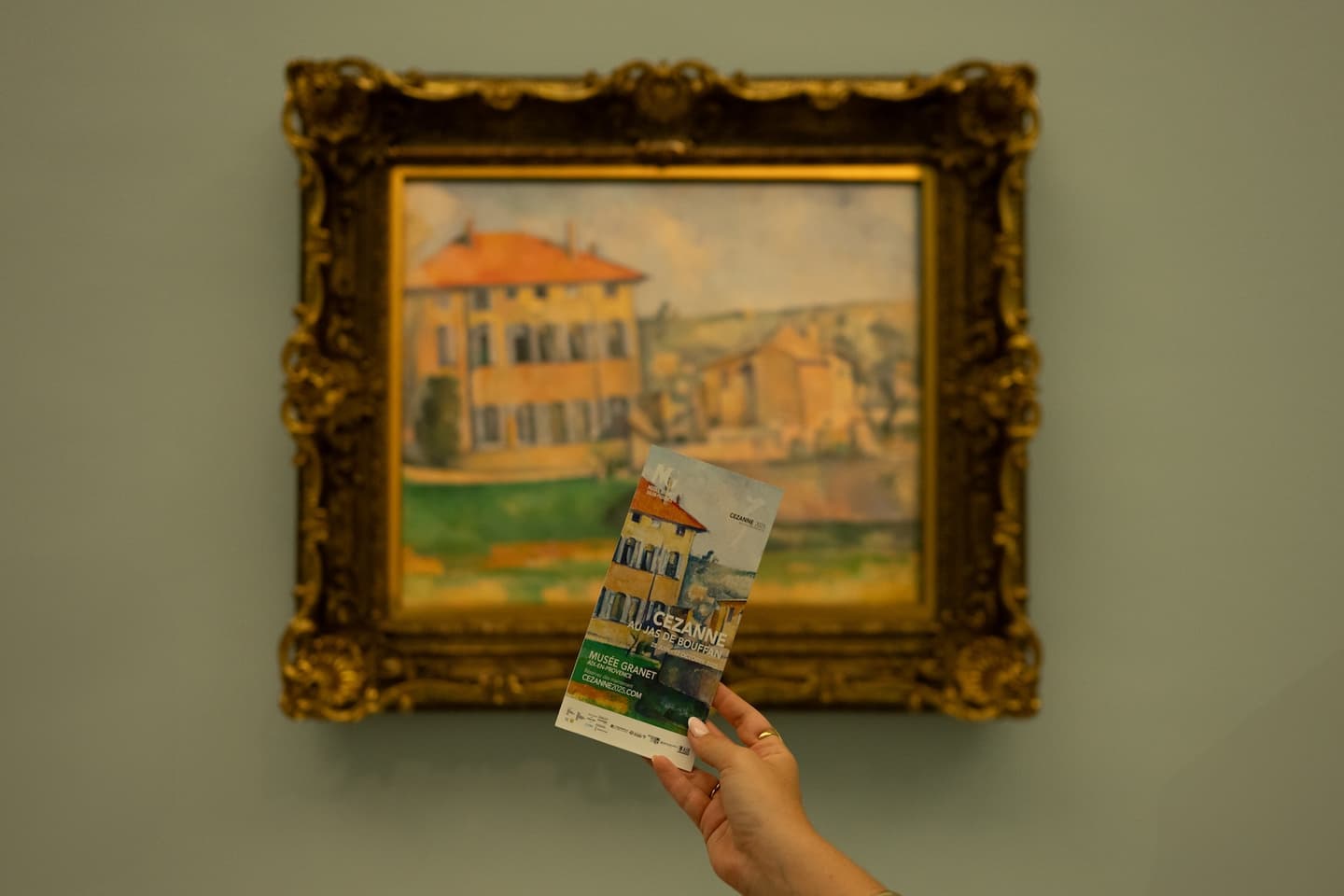
My interest piqued by Cézanne's legacy, I sought out ways to learn more about the artist. I booked a tour through the Carrierès de Bibémus, a forested quarry 15 minutes outside of town, where he often painted. My guide, Sonia Gonzini, pointed out scenes (a hole in the rocks, a hill, and a clump of trees) that Cézanne captured on canvas, each marked with a photograph illustrating his interpretation.
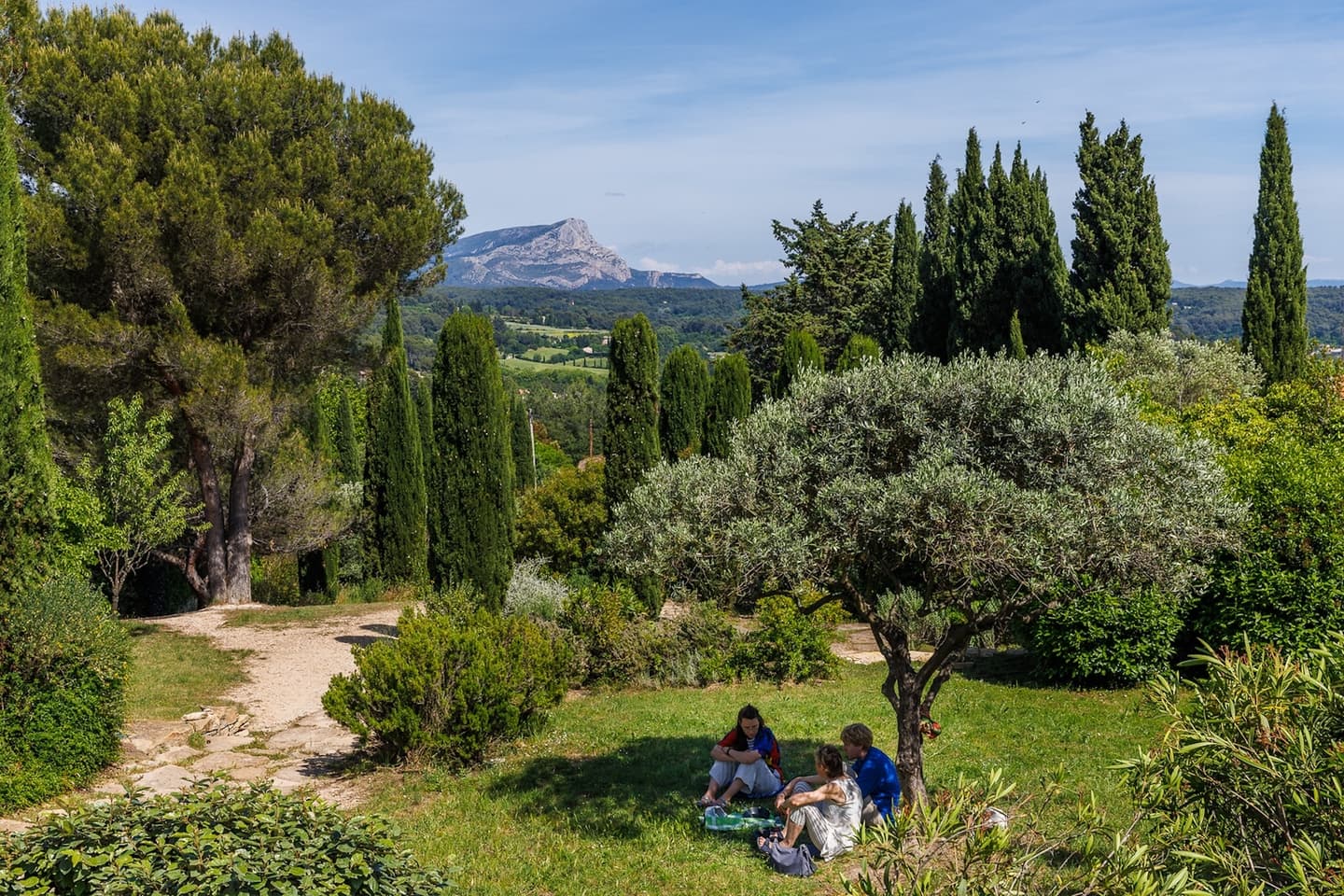
Similarly, in the Jardins des Peintres (Field of Painters), a tranquil hillside park with a dramatic view of Mont Saint-Victoire, one of Cézanne's favorite subjects, several panels of reproductions represent the work he created there.
By the end of the 21 days, I felt more like an expat than a visitor. I'd found my favorite haunts, immersed myself in local culture, and even made a few friends. It was exactly the trip I'd been looking for.
How to Go
Smithsonian Journeys' "Living in France: A Three-Week Stay in Provence" starts at $7,290.
Other "Living In" Tours:
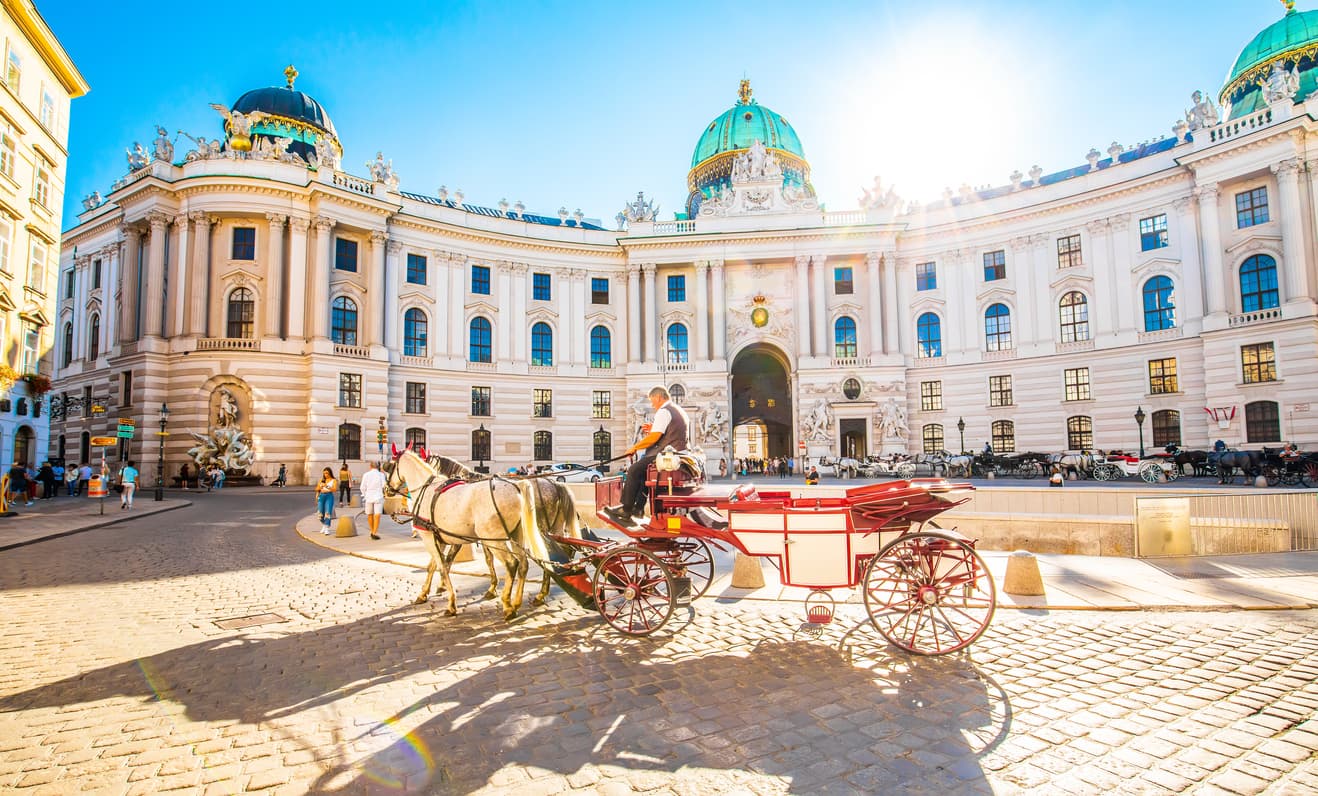
Settle into an apartment-style hotel in Vienna's historic center to explore the city's imperial legacy and vibrant, everyday life, choosing from enrichment tracks in German language, classical music, or culinary traditions. Highlights include guided tours of Schönbrunn and Hofburg Palaces, behind-the-scenes access to the Lipizzaner stallions at the Spanish Riding School, and visits to world-class museums and the Old Jewish Quarter. Enjoy full-day excursions to Austria's Wachau Valley — with its baroque Melk Abbey and storybook village of Dürnstein — and a Danube cruise to Bratislava, with the option to extend your journey to Salzburg.
From your base in the city center, explore Lisbon's iconic neighborhoods, World Heritage landmarks such as Belém Tower and Jerónimos Monastery, and enjoy a sunset cruise along the Tagus River. Day trips take you to the Roman ruins of Évora, the royal retreat of Sintra, the medieval town of Óbidos, and the pilgrimage site of Fátima, as well as the surf town of Nazaré and the Gothic splendor of Batalha Monastery. Along the way, savor Portuguese traditions through fado music, wine tastings, and a hands-on cooking workshop with enrichment tracks ranging from food and wine to active discovery and hidden gems
This three-week stay in Andalusia invites you to settle into seaside Marbella and savor southern Spain's blend of Moorish and Spanish traditions. Guided excursions take you to Granada's Alhambra, Málaga's vibrant art scene, Ronda's dramatic gorge, the White Villages, and the caves of Nerja, with optional weekend getaways to Seville and Córdoba. Along the way, enjoy cultural experiences such as flamenco, wine tastings, and Andalusian cooking classes, while special enrichment tracks let you focus on Spanish language, food and traditions, or active discovery.
Florence highlights include guided tours of the Duomo, Uffizi, and Accademia, as well as excursions to Siena, Lucca, Cortona, San Gimignano, and the Chianti wine region. Along the way, enjoy wine tastings, cooking classes, and expert-led talks on Renaissance art and contemporary Italy. With customizable enrichment tracks in Italian language, cuisine, or art and architecture, plus plenty of free time to wander Florence's neighborhoods, markets, and trattorias, this journey blends cultural discovery with la dolce vita.
Latest Articles
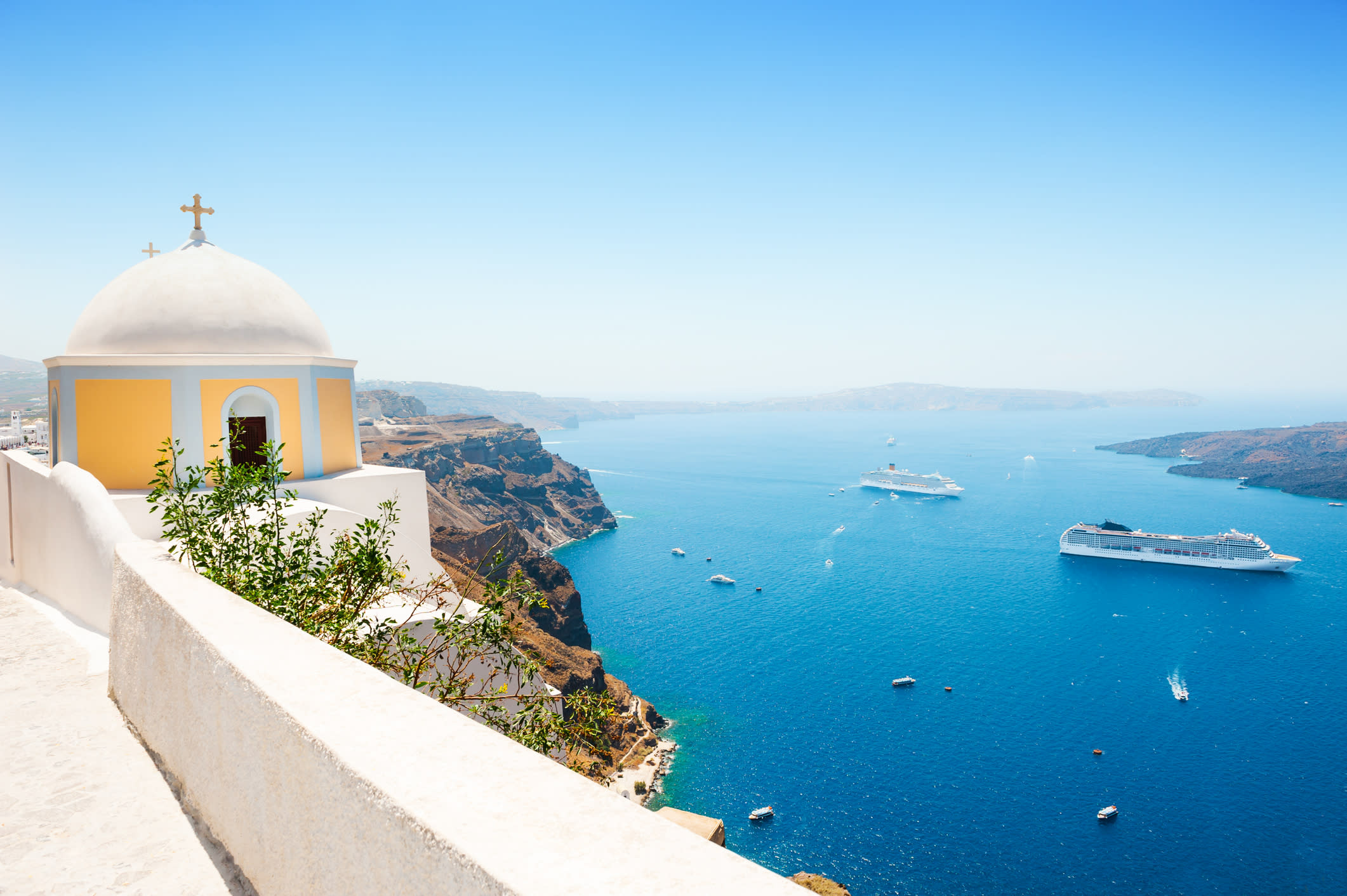
8 Bucket List Destinations You Can Cruise to on a Budget
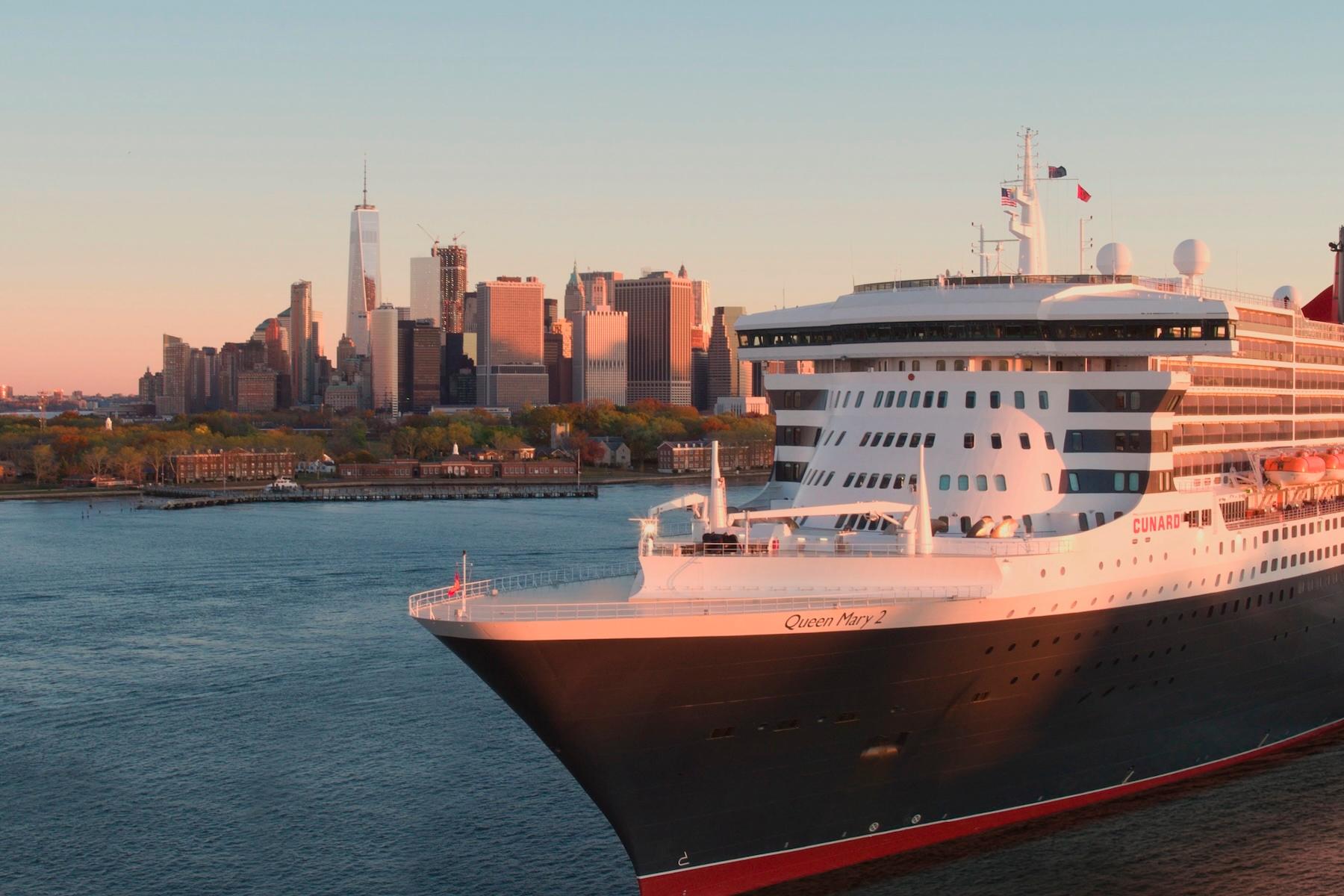
The Best Cruises To Celebrate America’s 250th

10 Tips for Getting the Best Cruise Deals During Wave Season
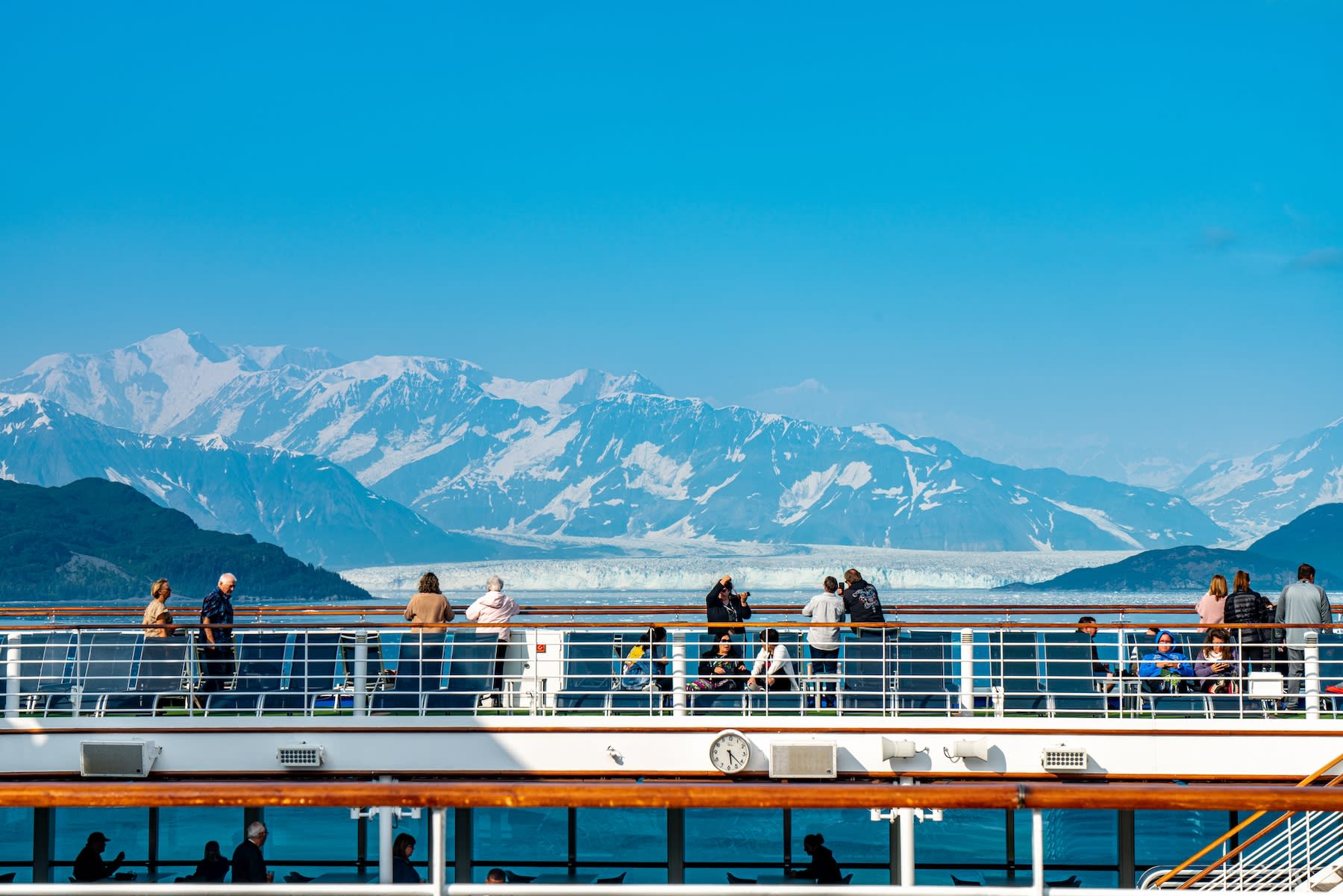
Why Booking Repositioning Cruises Is a Savvy Move — and the Best Ones To Snag This Spring
Everything You Need To Know Before Chartering Your First Yacht — Which Can Be a Better Deal Than a Mainstream Cruise