The State-Wide XTX Trail: A New, Adventurous Way to See "The Real" Texas
Plenty of trails in the United States climb mountain passes and skirt jewel-colored lakes. But a new route across the midsection of Texas does something those trails don't — it swings past places known for barbecue, wildflowers, and two-stepping, plus the state's most famous (and long defunct) house of ill repute.
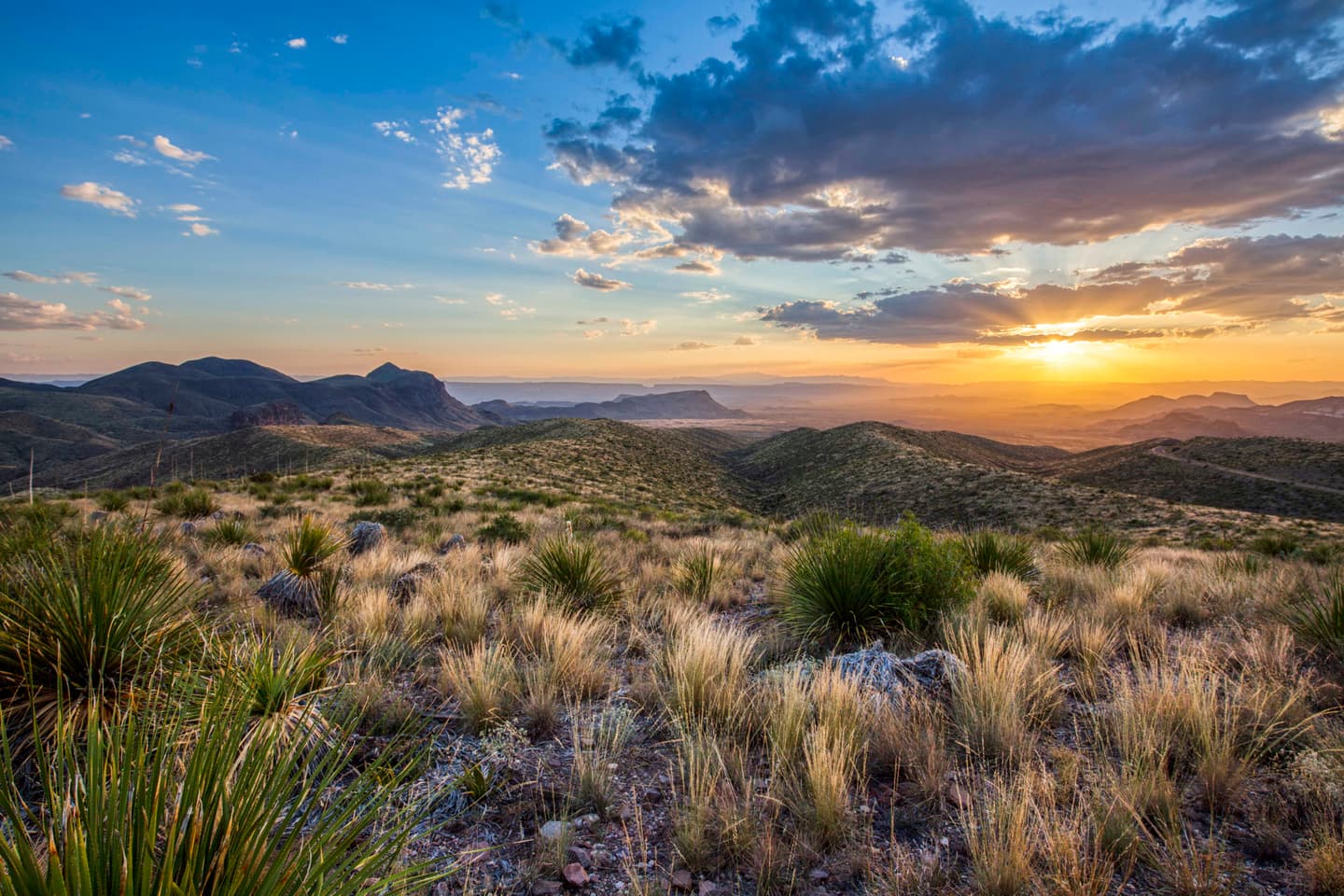
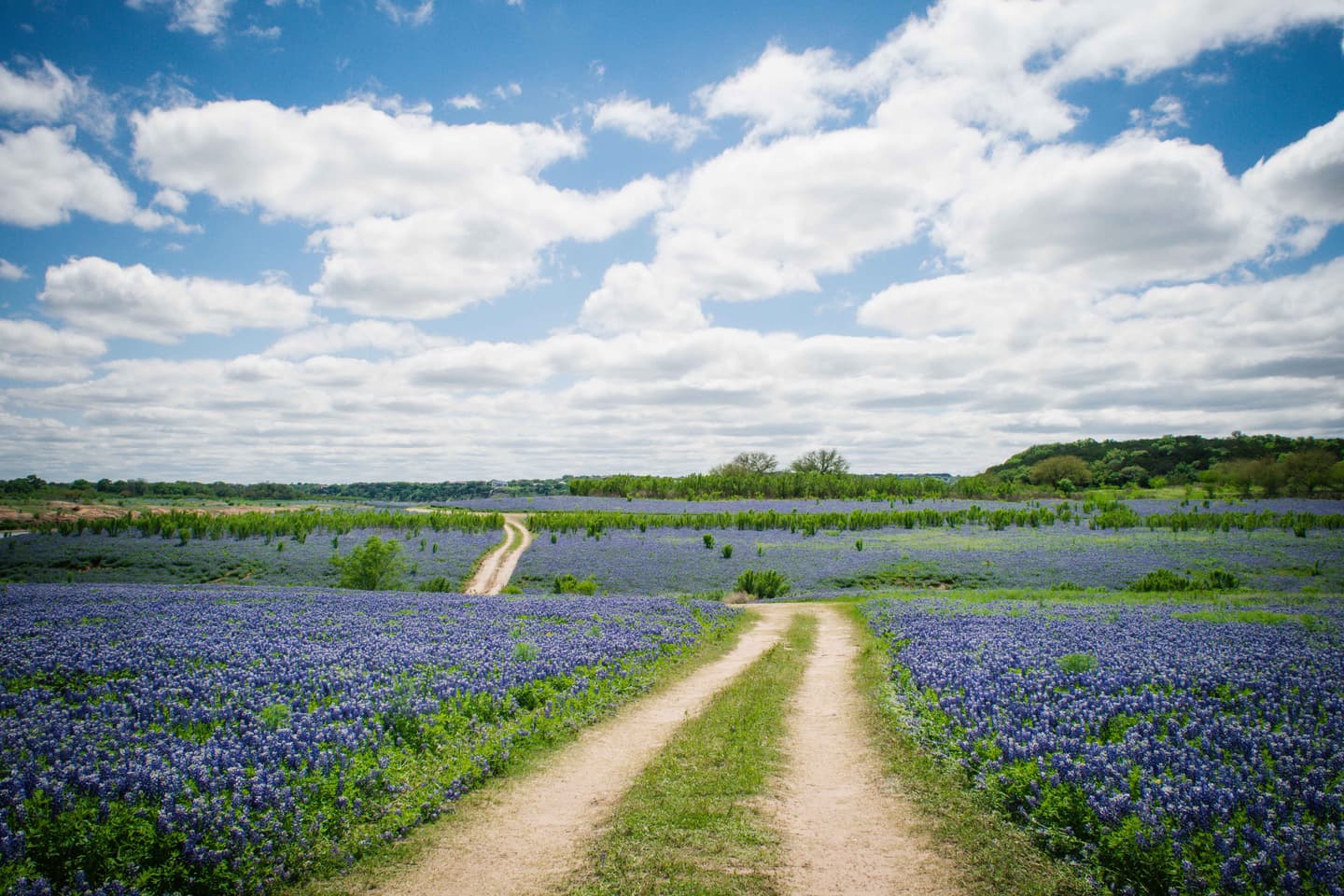
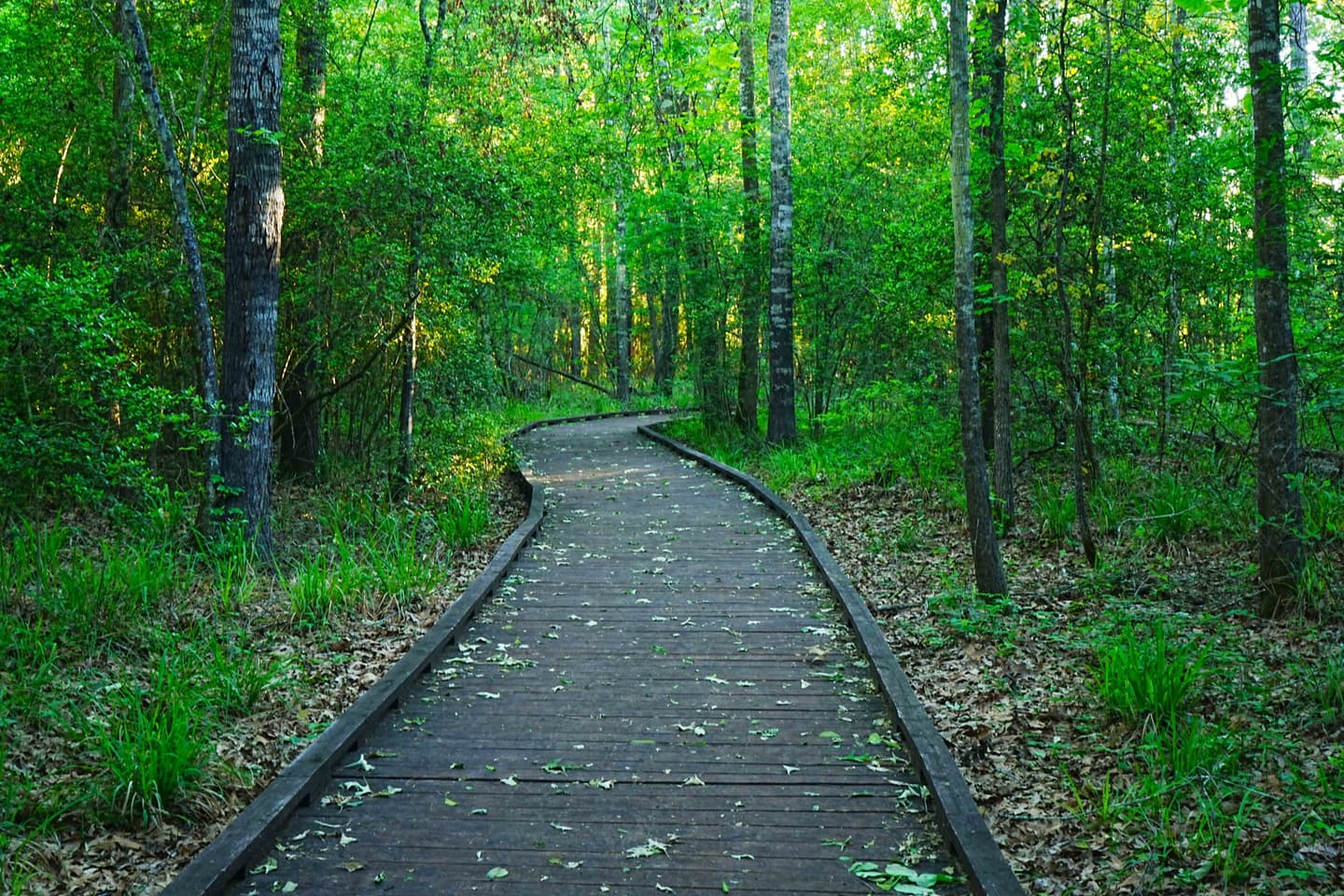
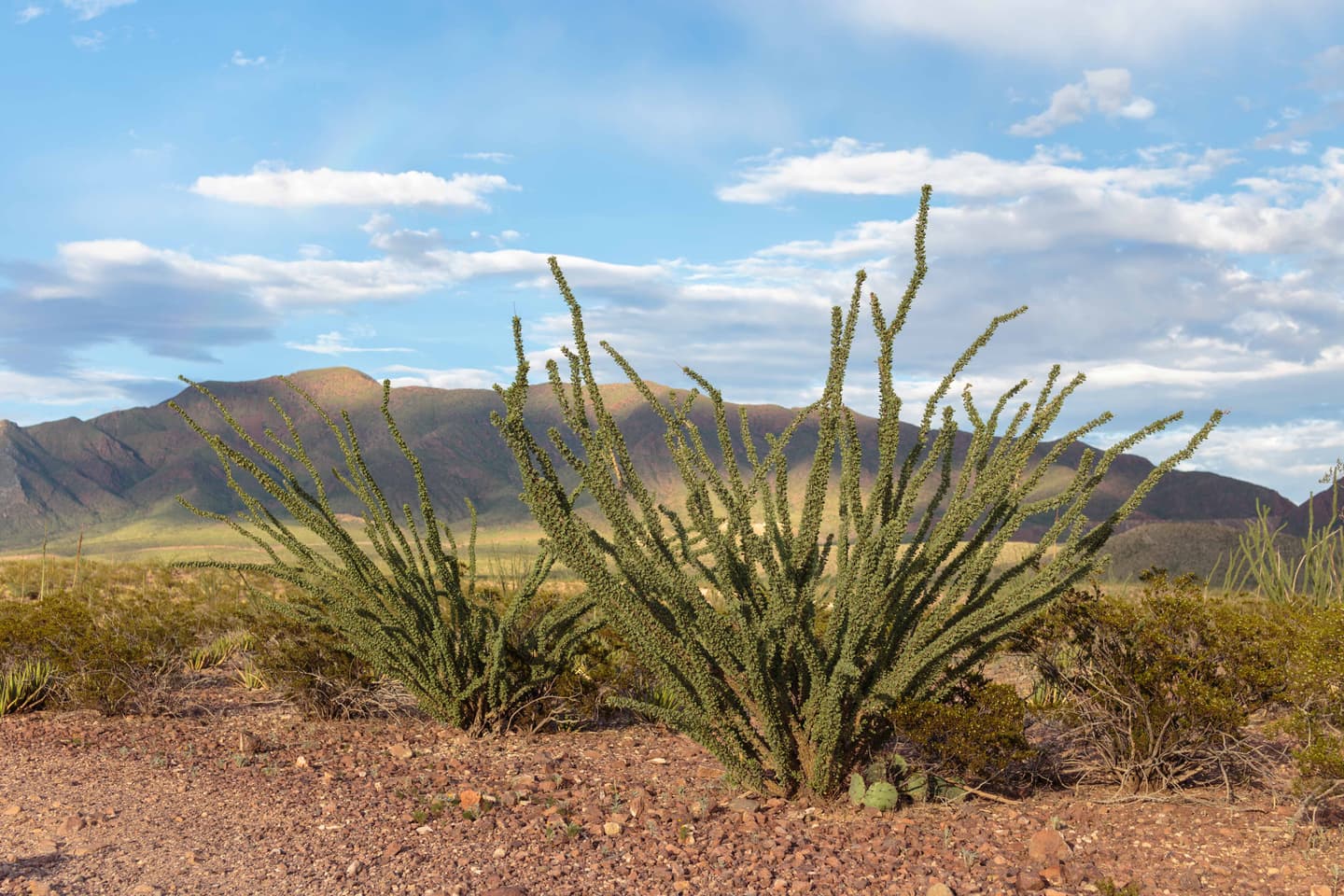
The 1,500-mile Cross Texas Trail, or XTX, as advocates call it, starts in the city of Orange, nestled in the Piney Woods of East Texas, and picks up 56,000 feet of elevation as it makes its way toward El Paso. It dips into the Hill Country, known for its spring wildflowers and clear creeks, and cuts through some of the state's most remote and rugged terrain in the Chihuahuan Desert of West Texas. Right now, the trail is not much more than a line on a map that connects existing roads and trails, and there are no posted signs yet. However, the route will develop over the coming years.
Charlie Gandy, a bicycle advocate and community design consultant who once served as a state legislator, hatched the idea for the trail last year while hiking the Tahoe Rim Trail in California. He stitched together the route using already existing trails through state and national parks, gravel roads, and other paved roadways. Gandy, who lives in Washington State but is working with the non-profit Bike Texas on the project, envisions it as a way for hikers, cyclists, and equestrians to get a close-up look at a state known for its brash independence, fascinating history, and diverse terrain.
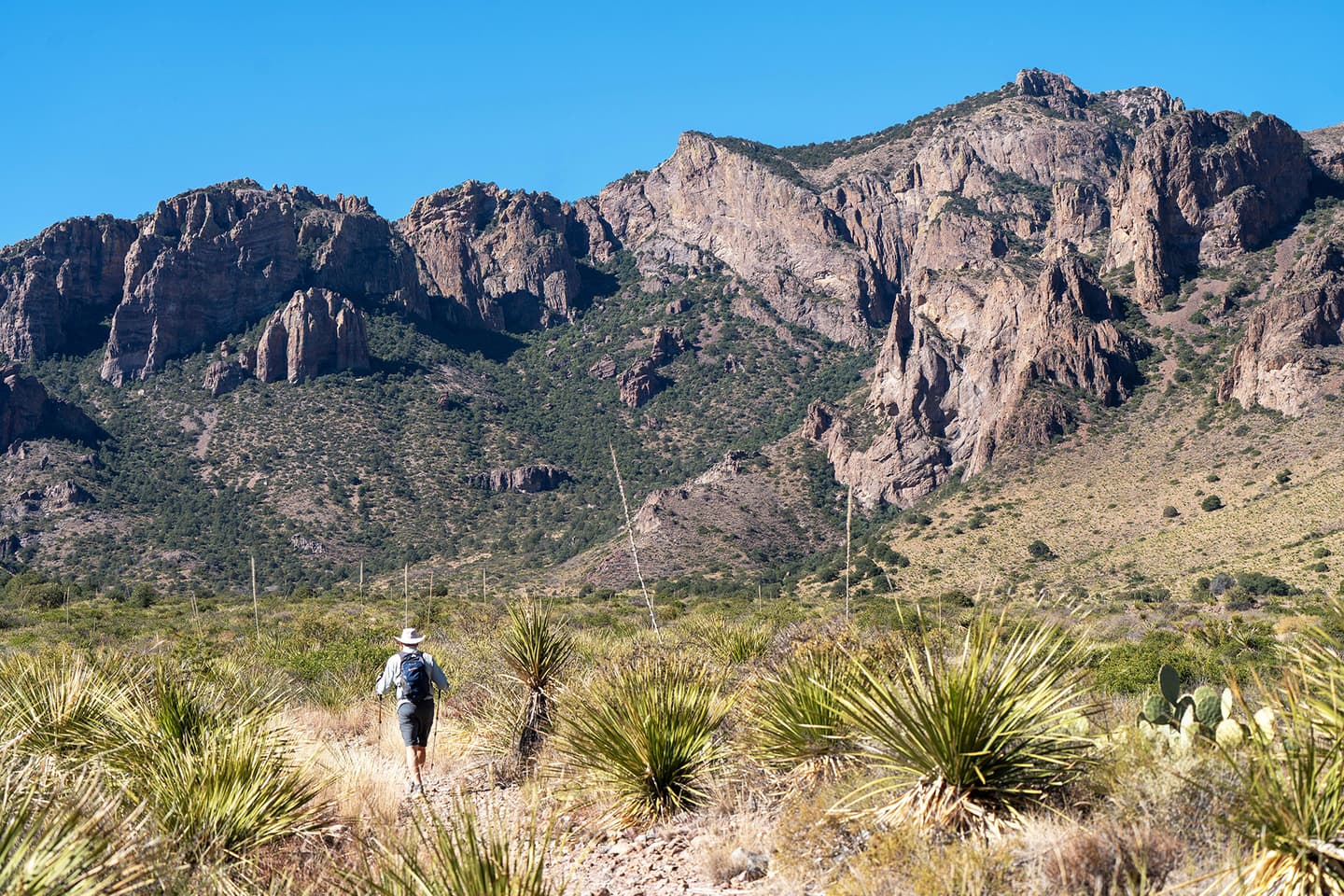
Anyone can walk, bike, or ride across the state now, but an official route would keep them off the busiest roads and steer them toward reliable water sources, Gandy says. And in a state that's more than 96% privately owned, a designated route makes it easier to explore.
The trail takes users near places with uniquely Texan stories to tell, like the now-defunct Chicken Ranch whorehouse in La Grange, a historic dancehall in Gruene, a privately-owned ranch near Marfa, and Big Bend National Park.
Gandy recommends traveling it from east to west to take advantage of prevailing winds, and doing it in winter when the heat is less intense.
Organizers have raised more than $60,000 for the project so far, and are working to ensure water sources at least every 15 miles along the way. Longer-term plans call for adding simple shelters every 50 miles, and privately-run, pay-to-stay glamping facilities every 100 miles.
The route will evolve with time, Gandy says, shifting off busier roads and less desirable areas and onto off-road trails as organizers acquire right-of-way.
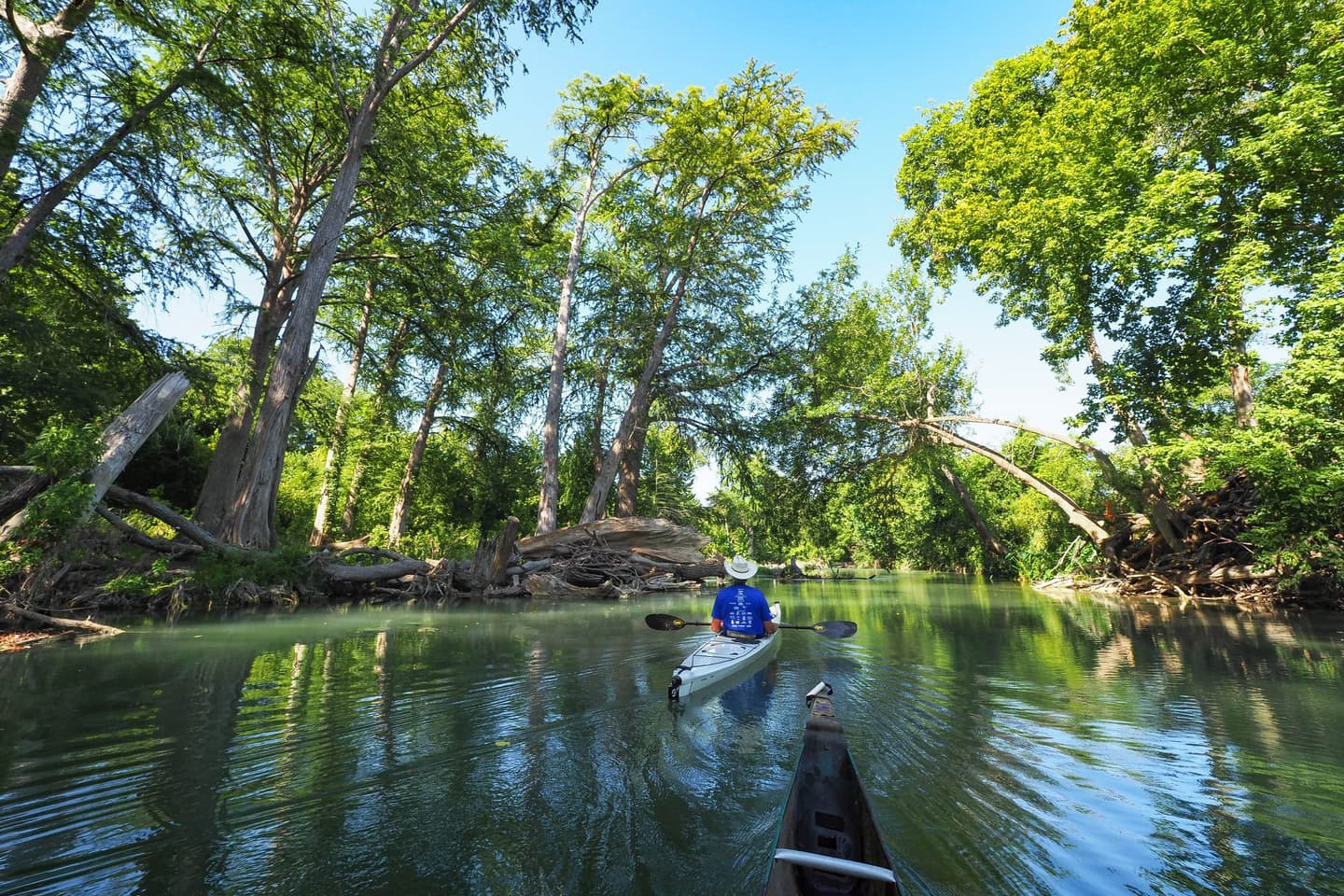
He has spent the last few months scouting the route, meeting landowners, and pinpointing places where water cisterns could be placed. He has discovered abandoned ghost towns and unexpected treasures, like the hamlet of Martindale on the San Marcos River, where visitors can take a dip in the San Marcos River.
"This is real Texas," he says. "We're out in the mud, the dirt, and the dust, and these places have deep stories to tell," Gandy says.
Brandon Jacob, a retired CPA who lives in Houston but owns land near Livingston, says he's interested in offering hostel-like accommodations for passing trail users.
"We have a farm in East Texas and would love to be able to share it with people embarking on this walk across Texas," he says.
An experienced hiker himself, he understands the draw of a long-distance trail in Texas.
"You literally can start in pine trees and forests and end in full-on desert — that's the allure," he says. "When you sit down at a hostel or campsite on the Pacific Crest Trail and people talk about what trail they're going to do next, Texas doesn't get in that conversation, and it should."
The concept has attracted the attention of athletes eager to test their endurance, and regular folks just looking for a meditative experience as they walk.
Gandy envisions travelers coming to Texas to drop in for a two- to four-day section hike, seeing the state beyond its urban centers.
"They'll be able to hike through land that looks very much like the Westerns of our grandparents' time," Gandy says. "You're going to test your mettle against a raw Texas terrain, and it's going to separate the women from the girls."
The XTX might be the biggest, but it's not the only long-distance trail under development in Texas.
The fully opened north-south Lone Star Hiking Trail runs 96 miles through the Sam Houston National Forest in East Texas. In El Paso County, a few sections of the Paso del Norte Trail have opened. When complete, the 75-mile route will connect Ysleta Mission, Socorro Mission and other highlights near the Rio Grande.
The first 13 miles of the Violet Crown Trail, which eventually will stretch for 30 miles from downtown Austin to Hays County, have opened. Another trail system, dubbed the Great Springs Project, will go even farther, linking springs in Austin, San Marcos, New Braunfels, and San Antonio via a 100-mile route. Organizers hope to finish it by 2036.
The nearly complete Northeast Texas Trail follows an old railroad corridor for 133 miles between Farmersville, northeast of Dallas, and New Boston, near Texarkana. Along the way, it crosses several historical railroad bridges and a replica of the Eiffel Tower.
Know Before You Go
Texas is hot. Late fall, winter, and early spring are the best times to travel the XTX Trail. Avoid the summer months, when temperatures often soar above 100 degrees.
Texas is dry. Pack plenty of water. Organizers plan to create water stations every 15 miles along the route, but they are not yet in place.
The trail passes through numerous small towns, where lodging is available. Long-term plans call for simple shelters every 50 miles, and access to a glamping site or overnight lodge every 100 miles.
For the latest updates on the trail, visit xTexas.org.
Latest Articles

The World's Best Destinations for Fall Foliage

8 Bucket List Destinations You Can Cruise to on a Budget

The Best Cruises To Celebrate America’s 250th

10 Tips for Getting the Best Cruise Deals During Wave Season

Why Booking Repositioning Cruises Is a Savvy Move — and the Best Ones To Snag This Spring