Nova Scotia Is an Unexpected Marvel of Starry Skies and Quiet Travel
After a lantern-lit walk through the woods of the Tobeatic Wilderness in western Nova Scotia, Canada, I paused atop a viewing platform in the middle of a field. "Close your eyes," instructed the guide, as she clicked off the lanterns. For two minutes, the darkness was complete. I was aware only of the evening chill, the chirping of crickets, and the swishing of tall blades of dried late-summer grasses as a doe picked her way across the meadow.
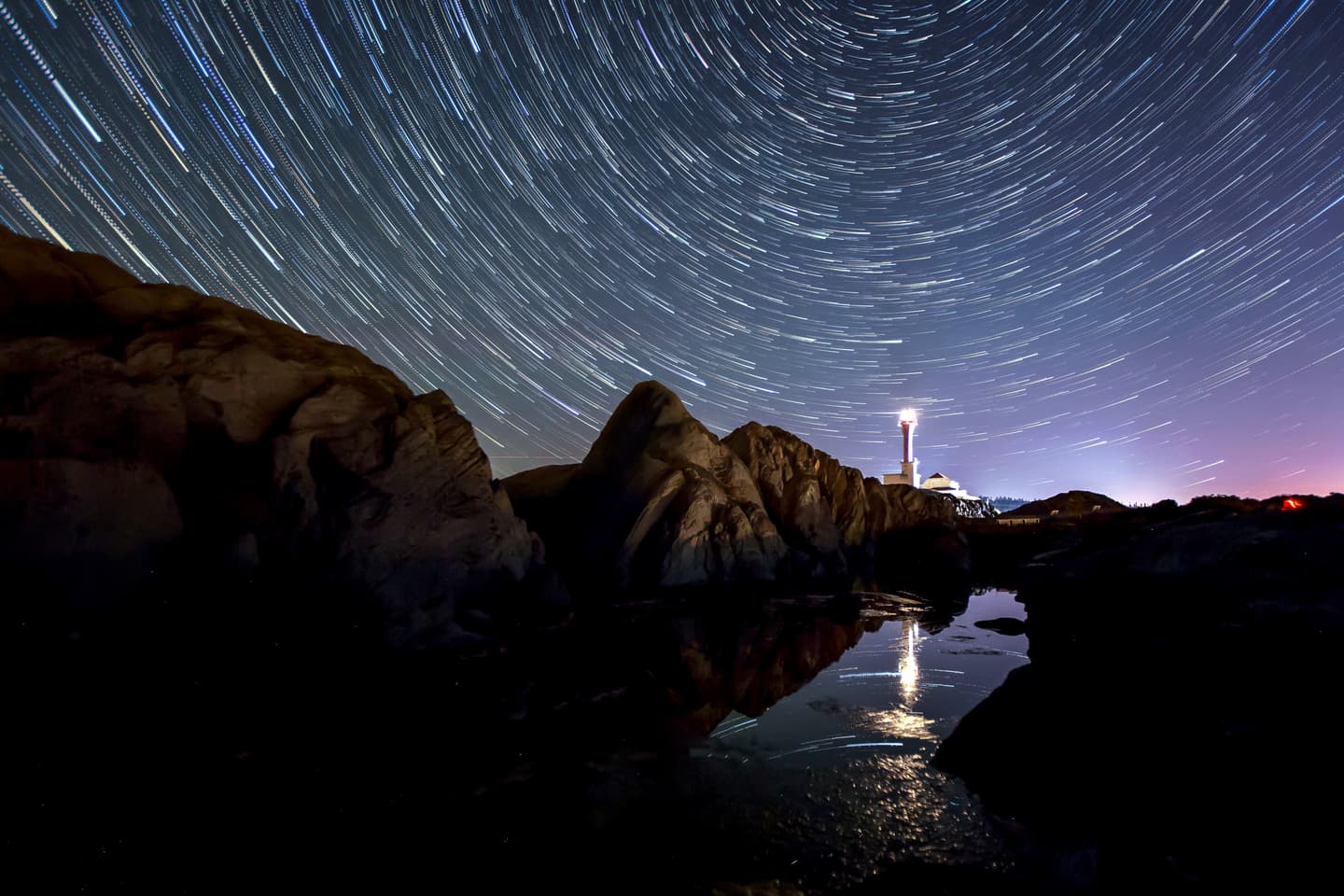
When I opened my eyes again, it was as if I had awakened on the set of an interstellar sci-fi movie. A blanket of constellations stretched across the sky, some winking like Christmas lights, others still as cosmic sentries. Even from my low-light-pollution backyard in rural upstate New York, I had never seen anything like it, had never felt the weight of billions of star systems and galaxies.
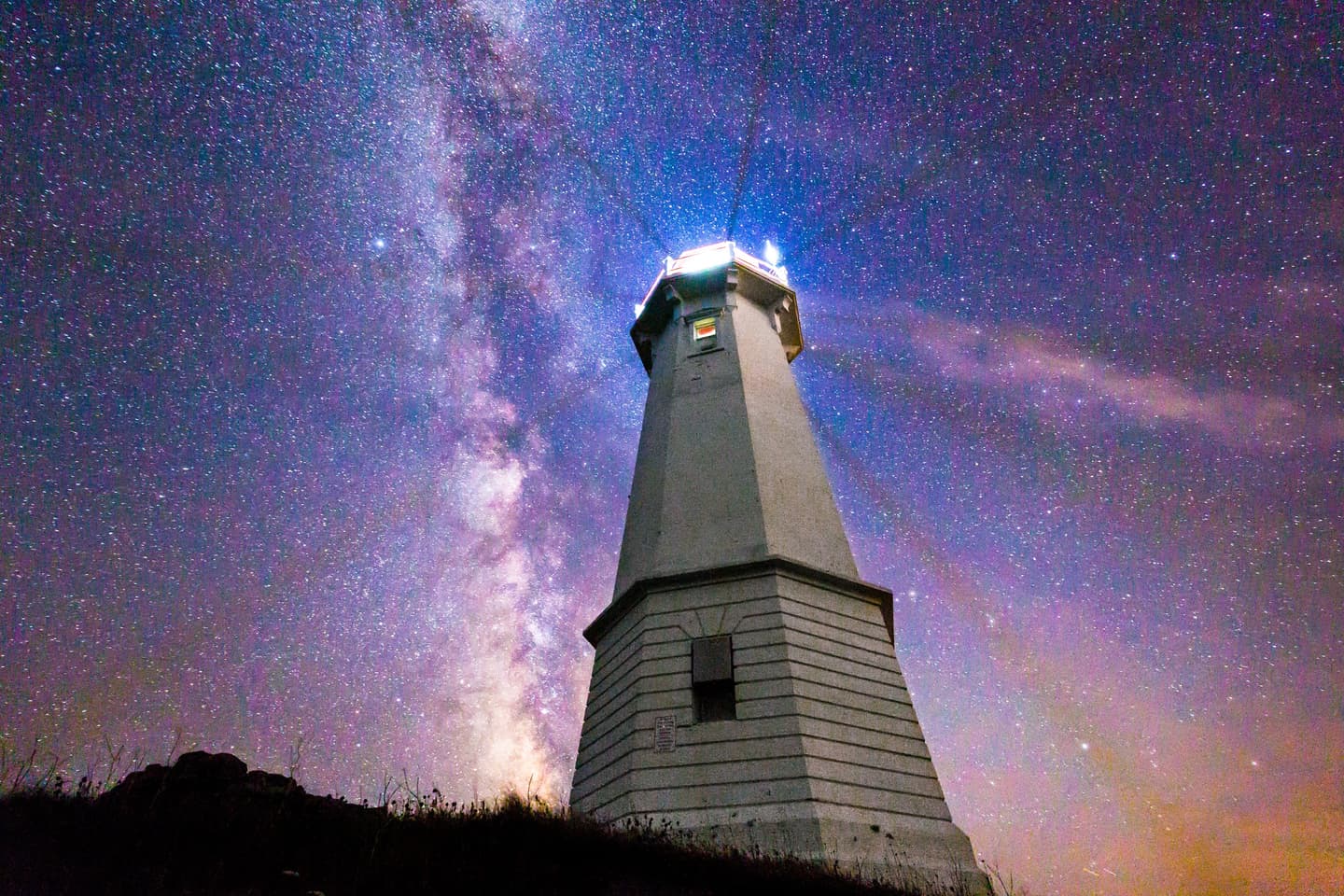
Dark sky getaways generate half a billion dollars worldwide. As light pollution increases at an alarming rate — about 10% per year — travelers continue to flock to destinations to stargaze and connect with cosmic events, or, like me, to experience their tiny part in our massive, and potentially infinite, universe.
Why Nova Scotia is a Dark Sky Hotspot
Nova Scotia, along Canada's Atlantic coast, is an unexpected hotspot for enjoying starry skies. A largely rural province, it has almost no light pollution outside its cities. In the southwest, the Acadian Skies & Mi'kmaq Lands Starlight Reserve was the first in North America to receive a designation as a starlight reserve by UNESCO’s Starlight Foundation, which recognizes protected natural spaces within a destination that has committed to defending the quality of the night sky and access to starlight. Today, it is one of only 23 in the world.
In addition, Nova Scotia dedicated 15 new provincial parks earlier this year, covering 2,800 acres. This puts the province over the halfway point of protecting 20% of their land and water by 2030, and creates new opportunities, including ADA-accessible ones, for stargazing.
Whether you're an astronomy enthusiast or looking for a quiet-travel experience with cosmic perspective, Nova Scotia's unpolluted skies offer an under-the-radar way to enjoy the stars. From relaxing walks with expert stargazing guides to nighttime kayaking adventures, the Atlantic Canadian province's commitment to protecting the land and water ensures that future generations will continue to discover what our ancestors knew: that sometimes, the most profound connections happen when we simply look up.
Where To Experience the Best Dark Skies in Nova Scotia
Deep Sky Eye Observatory
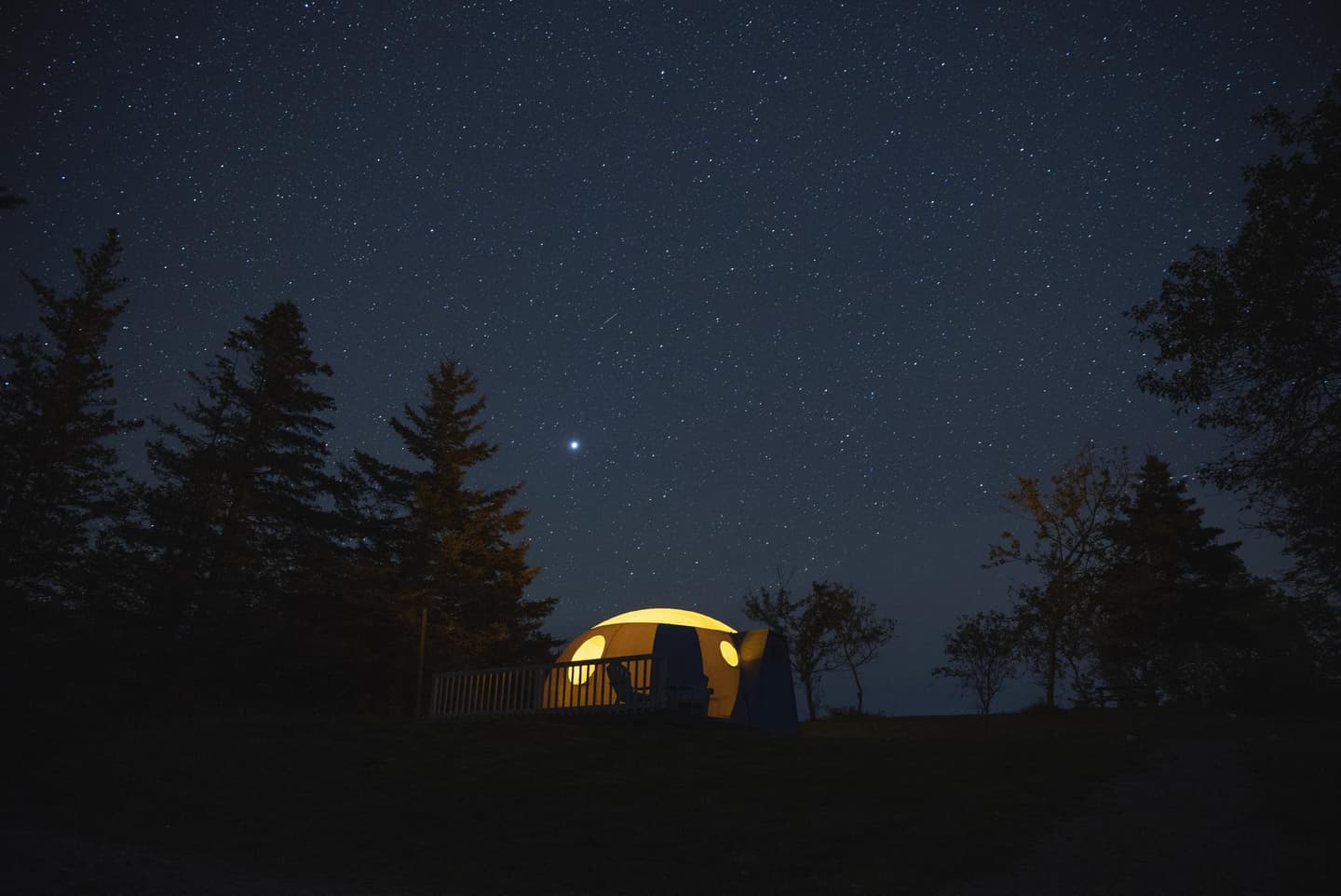
The Southwestern tip of the province is home to the Deep Sky Eye Observatory, where you can take part in a Nocturnal Theater experience along the Quinan River. Cozy up under a warm blanket and admire real-time projections from the observatory's high-powered telescope. Then spend the night watching shooting stars propel themselves across the Milky Way from the comfort of a Sky Cabin or a heated, clear-domed Sky Bubble.
Trout Point Lodge
Forty minutes northeast, in East Kemptville, I had my guided stargazing experience at Trout Point Lodge. The rustic-luxury resort's 13 suites abut the Tusket River, which rushes with life, especially after rain, and makes the perfect soundscape for drifting off to sleep.
The resort offers a number of daily activities, from forest bathing to kayaking and leisurely soaks in a wood-fired, riverside hot tub, but stargazing is its most popular. "It's an experience that probably 95% of the world doesn't get to enjoy, just by virtue of where they live," says Trout Point co-owner Patrick Wallace. "Many guests who stay here for a week go stargazing every night when the weather cooperates. These experiences are really rejuvenating."
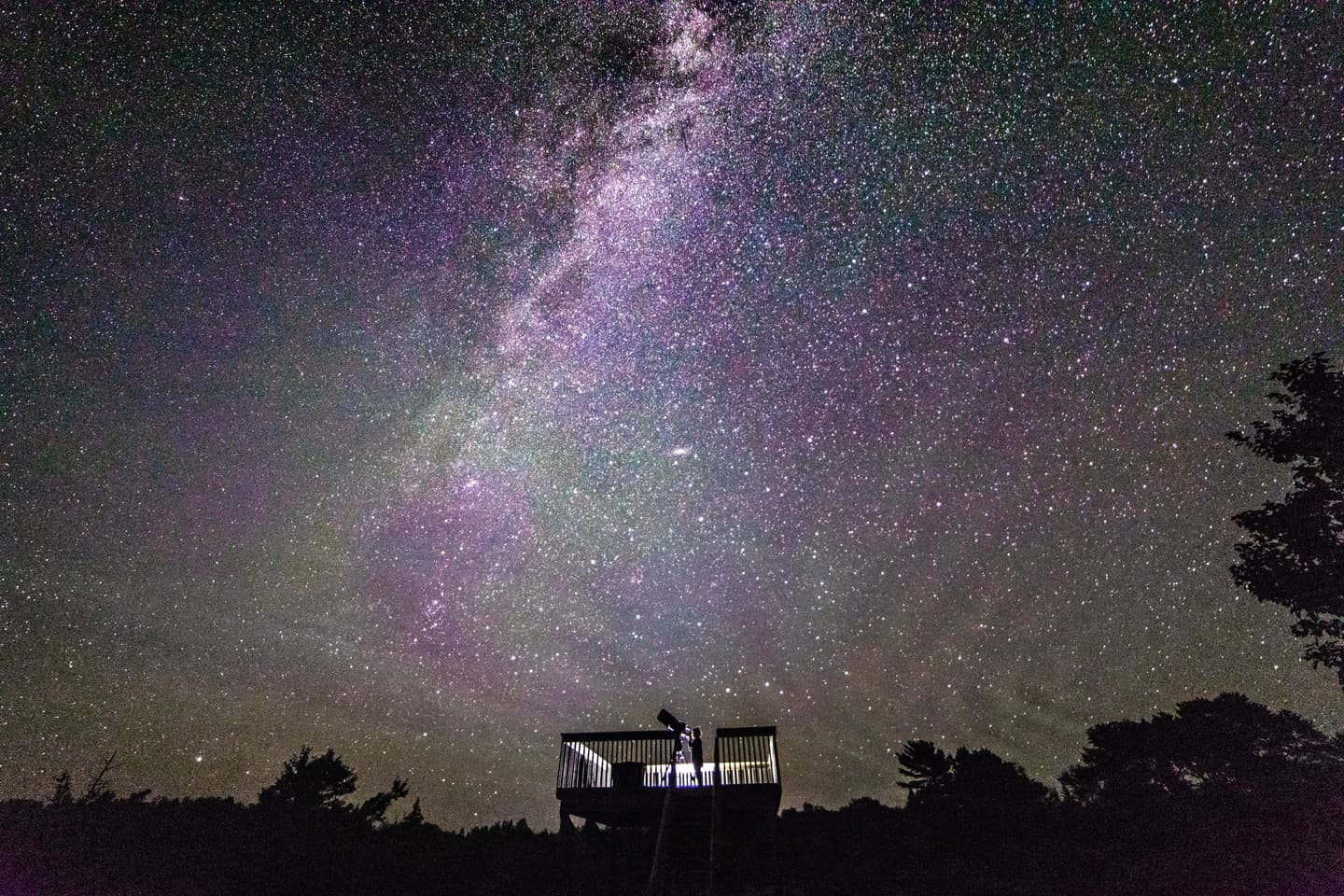
My viewing, which coincided with the tail end of the Perseids meteor shower, included a massive web of celestial bodies, several shooting stars, and even a few twinkling satellites arcing their way around the planet. As I sipped hot chocolate, Trout Point's expert guide shared stories about the constellations, from Greek mythology to Black Americans' escape from slavery by following the stars. Depending on the time of the year and cloud conditions, you might also catch a glimpse of the aurora borealis.
Also within the Tusket River Estuary, the self-guided Wedgeport Nature Trail has a wheelchair-accessible trail and a starlight viewing platform with tables and benches that overlook the Atlantic Ocean.
Kejimkujik National Park and National Historic Site
A couple of hours toward the interior of the province, at Kejimkujik National Park and National Historic Site's Dark Sky preserve, take a guided nighttime hike or canoeing excursion on Kejimkujik Lake. Park staff delve into the mystery and lore of the stars, celestial stories of the Mi'kmaq First Nations people, and occasionally even into current research on extraterrestrial life.
For a three-day guided "sea-fari" experience, hop by kayak or paddle board between the LaHave Islands, on the southern coast about halfway between Yarmouth and capital Halifax. Ply the waters, snack on scallops and lobster prepared over an open fire right on the beach, and go glamping under the stars.
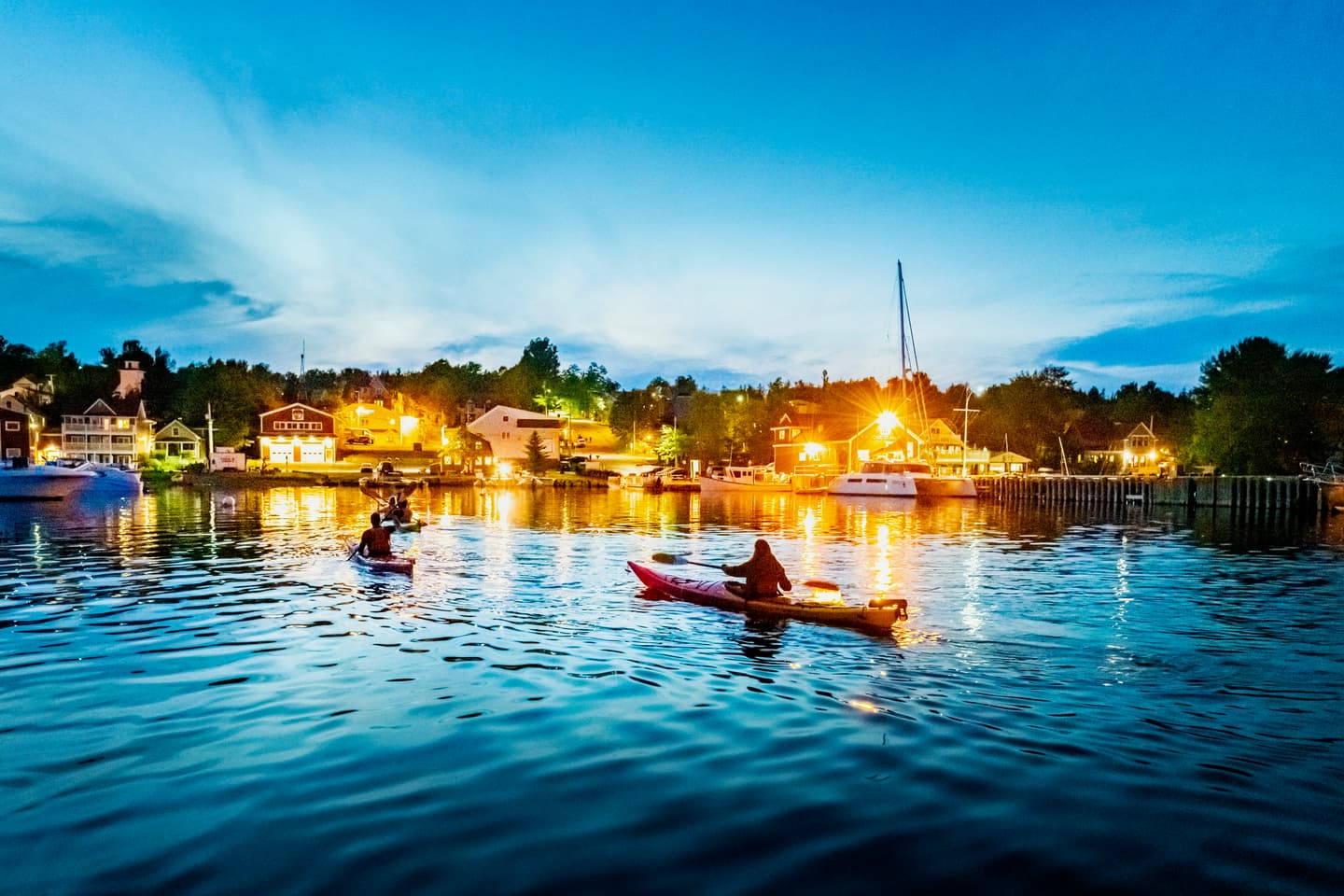
Just off Cape LaHave, the newly launched Bioluminescent Night Kayaking Tour offers a natural light show both above and below the water. As darkness falls, the stars pierce the night sky. Meanwhile, phytoplankton in Dublin Bay create tiny green, glowing starlike chains as you dip your paddle or hand into the water.
Bras d'Or Lake
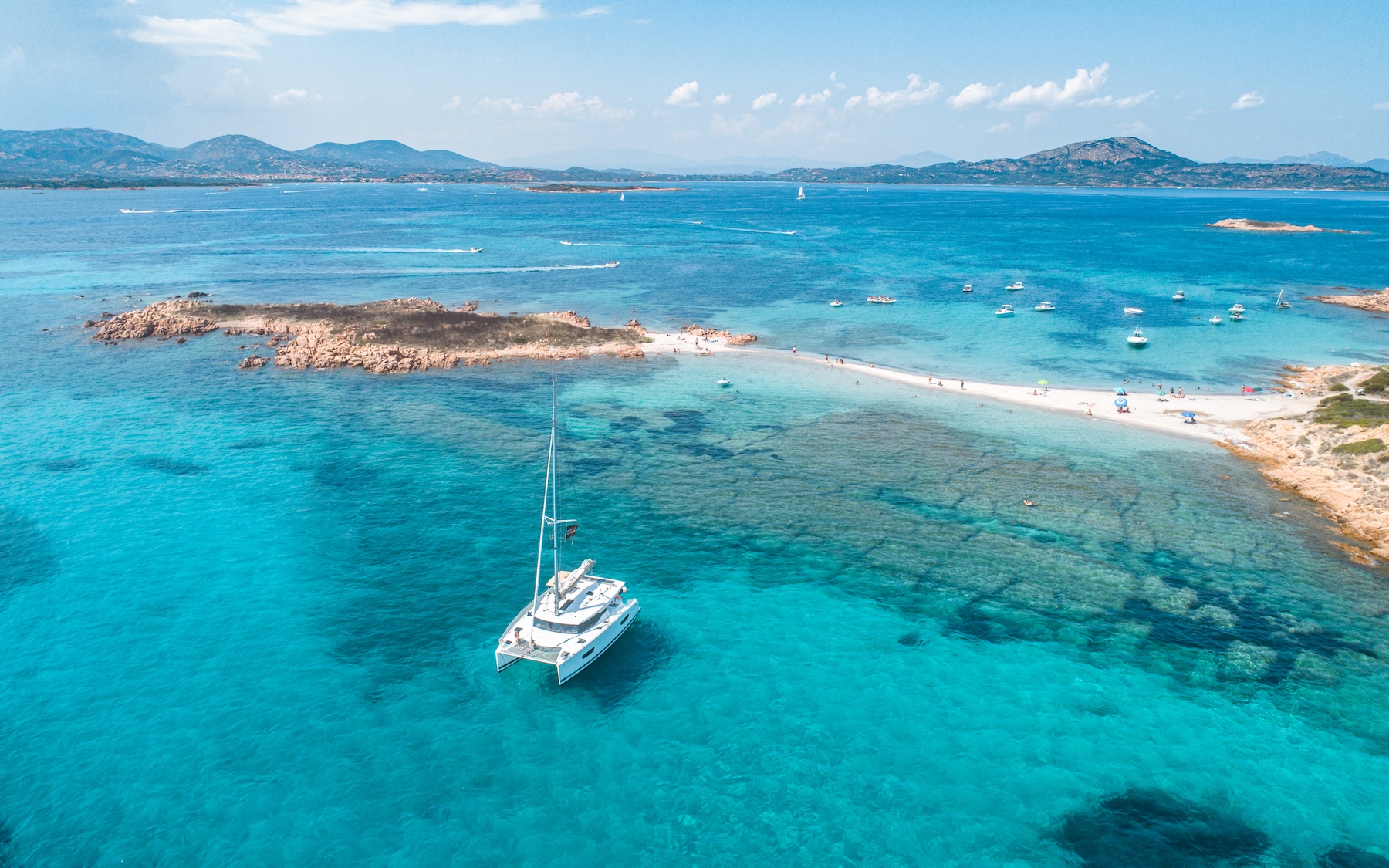
Along the far eastern island of Cape Breton, book a multi-day guided sailing charter in the Bras d'Or Lake UNESCO Biosphere Reserve. Aboard a luxury catamaran, go snorkeling, swimming, or exploring the 790-mile coastline by day. At night, let the boat rock you to sleep under starry skies.
Salsman Provincial Park
In the northeast, volunteers at Salsman Provincial Park guide visitors through Salsman Night Skies. Using telescopes and star maps, the experience is part science and part wonder.
Latest Articles
The World's Best Destinations for Fall Foliage

8 Bucket List Destinations You Can Cruise to on a Budget
The Best Cruises To Celebrate America’s 250th

10 Tips for Getting the Best Cruise Deals During Wave Season
Why Booking Repositioning Cruises Is a Savvy Move — and the Best Ones To Snag This Spring