
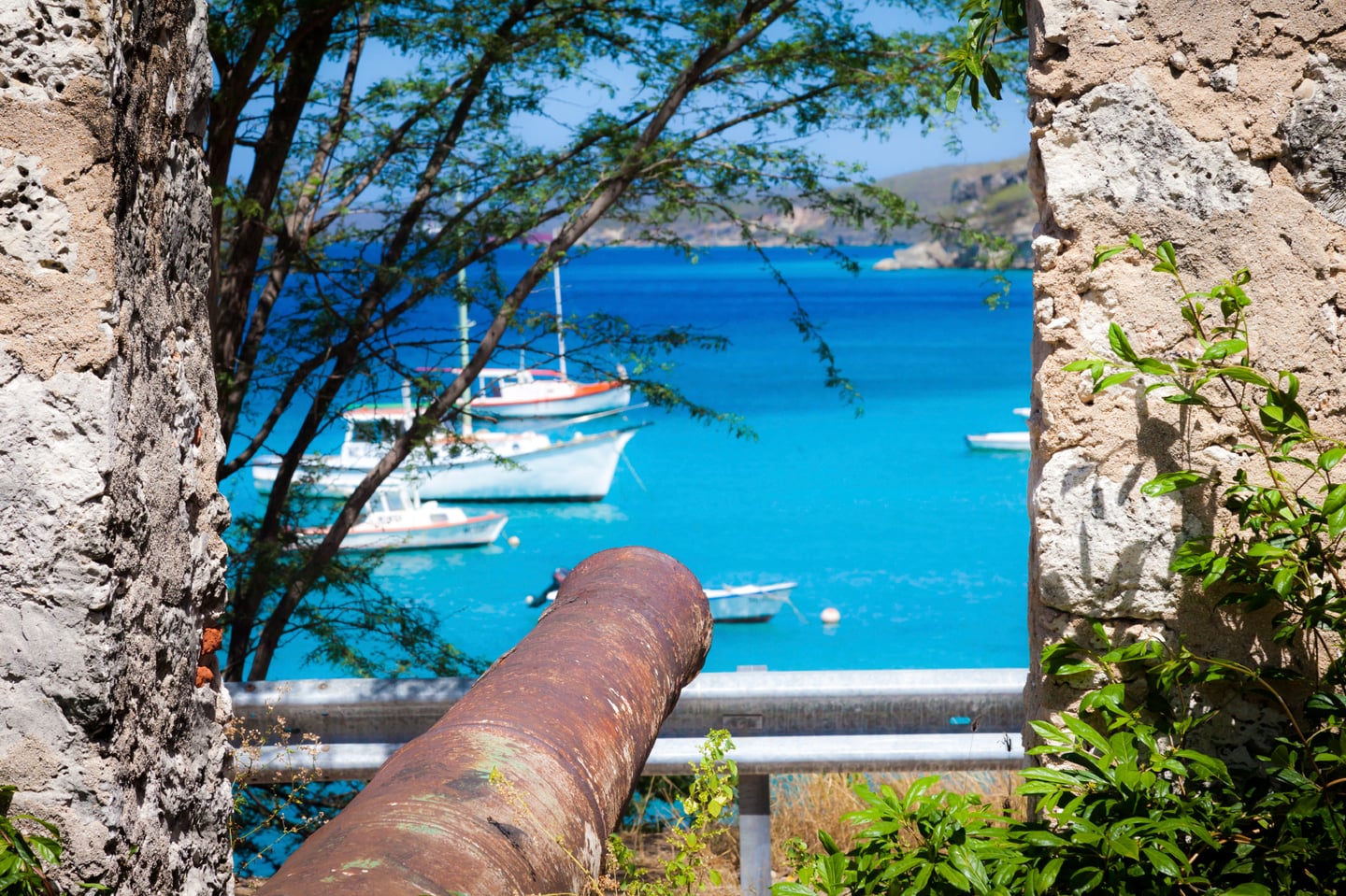
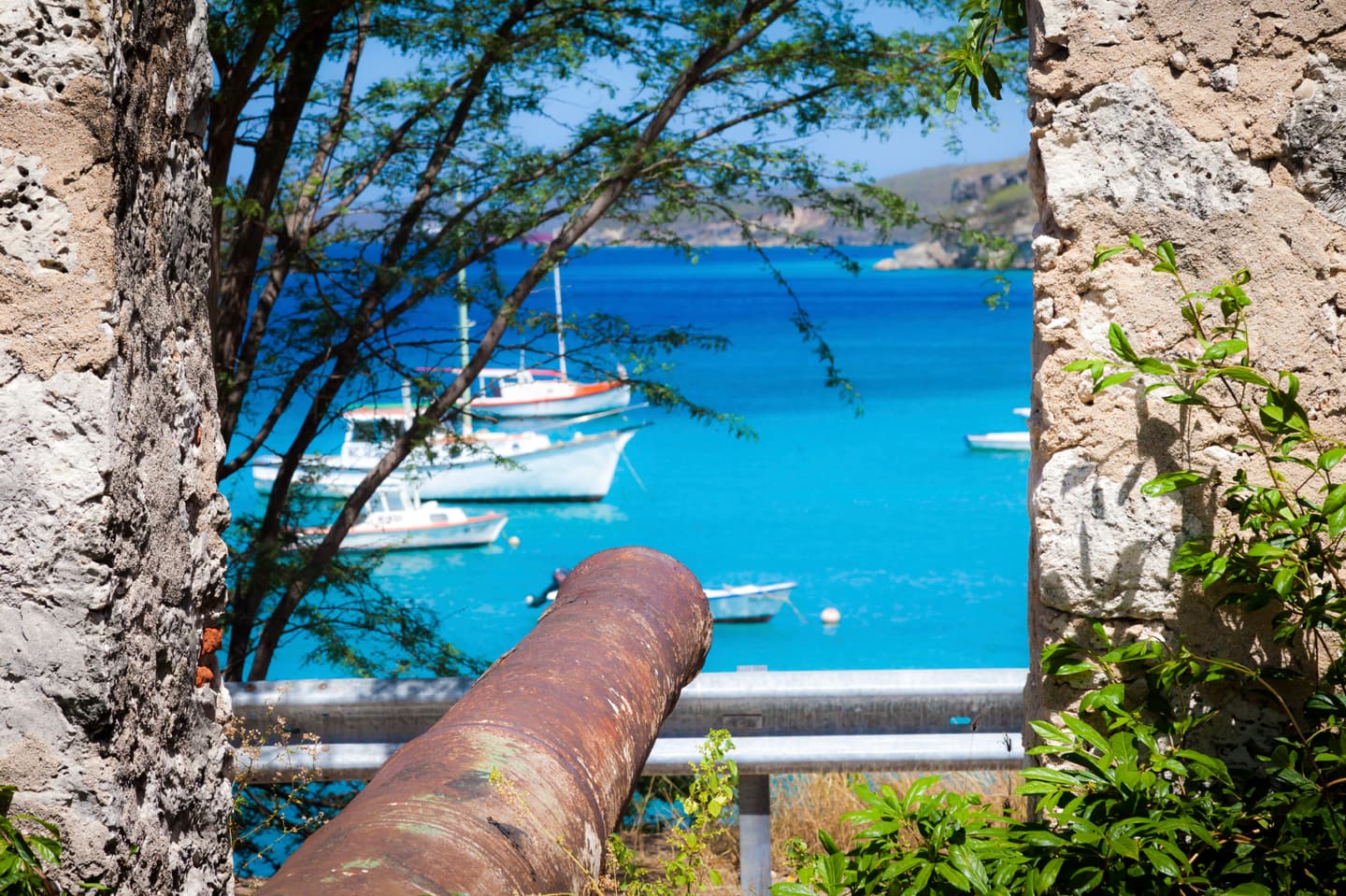
Curacao has a pervasive sense of local culture, thanks to a diverse heritage — Dutch, English, Spanish, and African. It's apparent in everything from the language (Papiamento) to the architecture and cuisine. Though both the historic centers of Willemstad — Punda and Otrobanda — are within walking distance of the cruise port, you can book tours to explore the arid landscapes farther inland.
Life at Port
See It for Yourself
What We Love
Marsche Bieuw: This Old Market is where the locals lunch (at local prices) along communal tables, peer into the pots on stovetops, and order a bowl of goat stew or cactus soup, fried fish with peas and rice, or pumpkin pancakes.
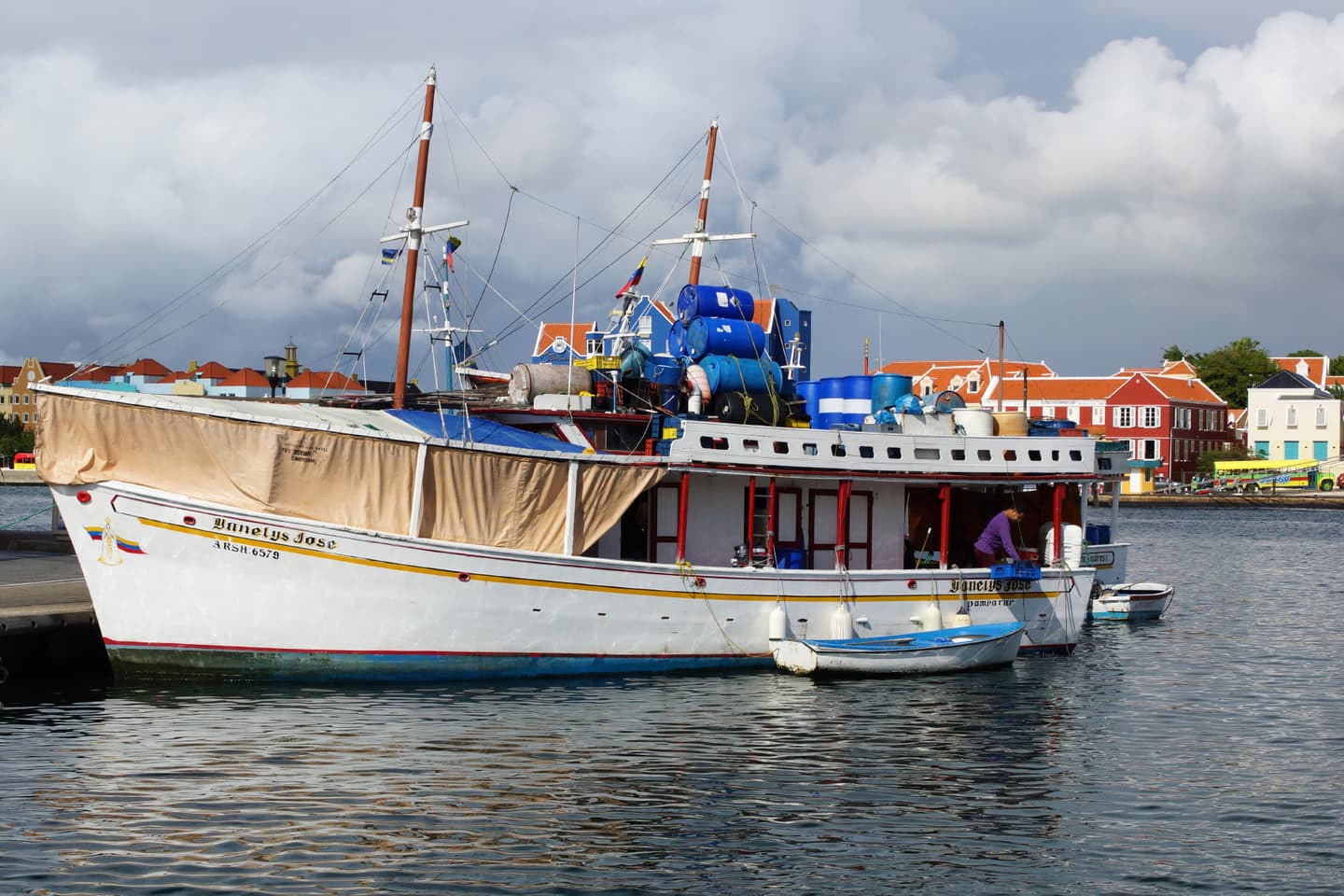
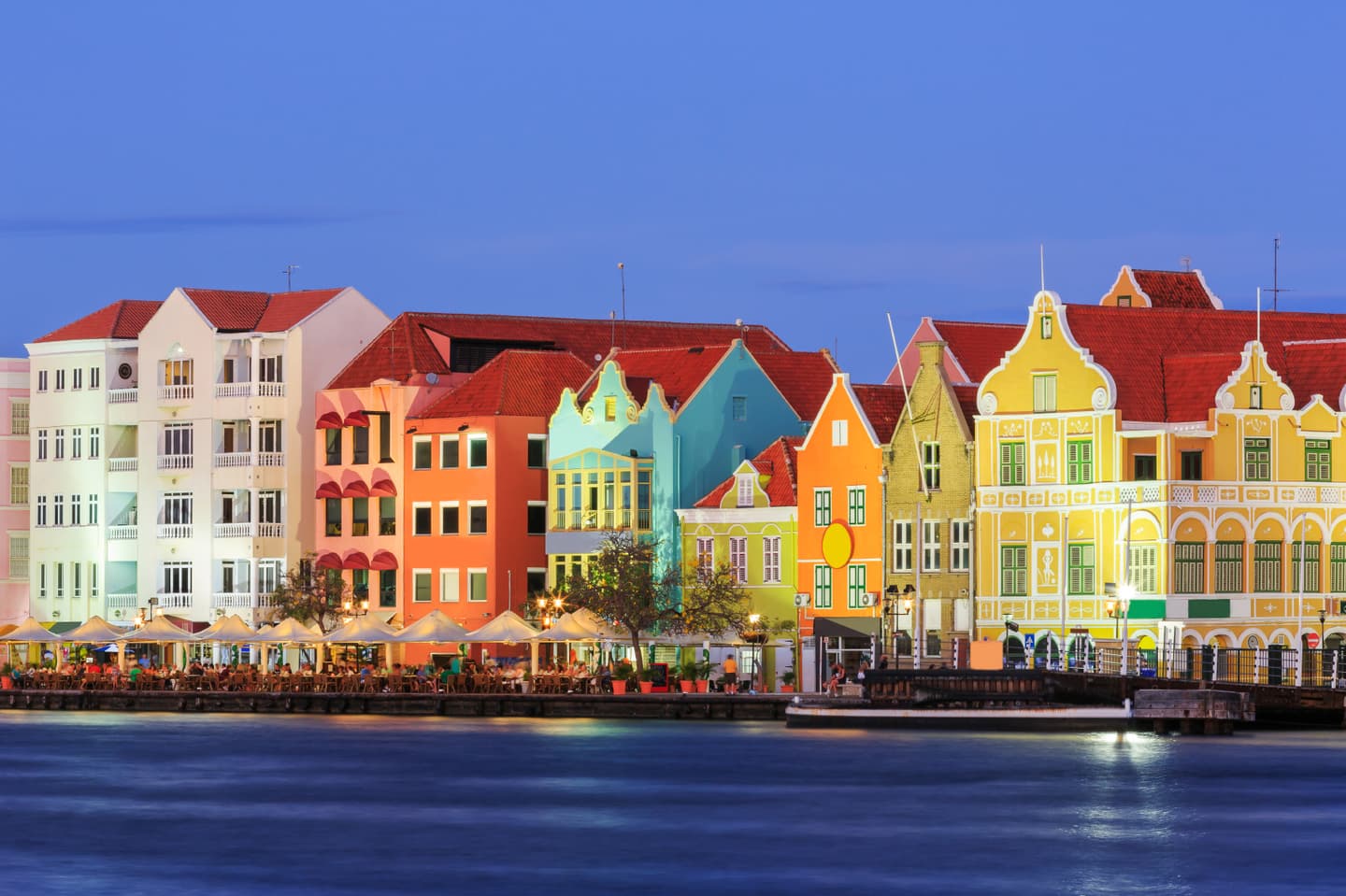
Pastel-Hued Architecture: With its gabled buildings, Willemstad could be a town in the Netherlands — except that its buildings are painted in postcard-worthy pastels.
Best Known For
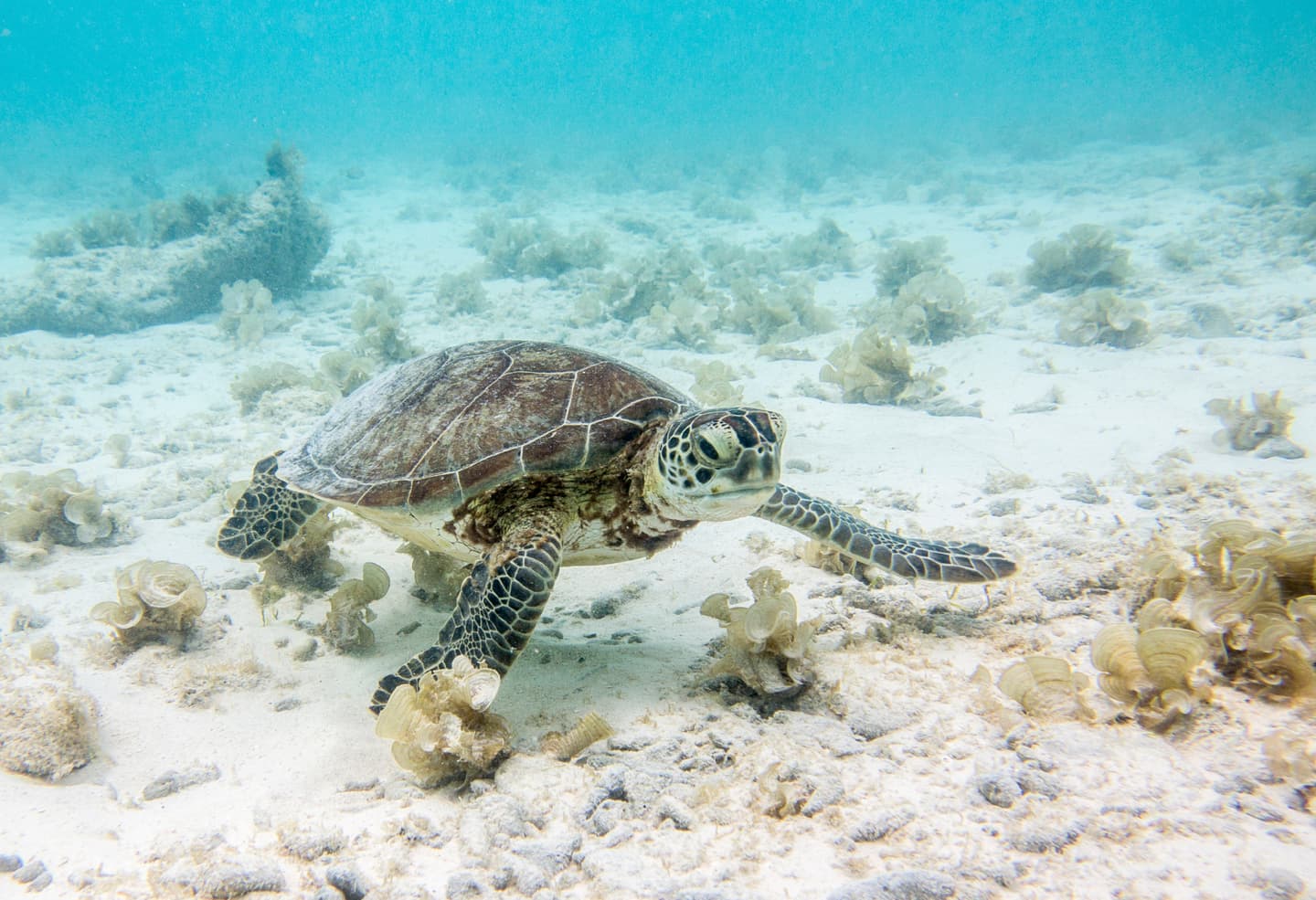
Diving: Along the west coast, waters are clear, coral reefs are colorful, and fish are abundant.
Blue Curacao: Made from a variety of Valencia oranges, the sweet liquor also comes in green and yellow. Swing by the Landhuis Chobolobo, a factory built into an old plantation house, to see how it’s produced.
Who It's Good For
Culture Lovers: It’s not just beaches, blasting music, and tacky souvenir shops. This island does more than cater to cruise ships.
Foodies: Restaurants here span every cuisine, and they beat cruise ship buffets. Try some of the island’s specialties, such as keshi yena, a recipe for Gouda or Edam cheese stuffed with spiced meat that dates back to the Dutch Empire.
Don't Say We Didn't Warn You
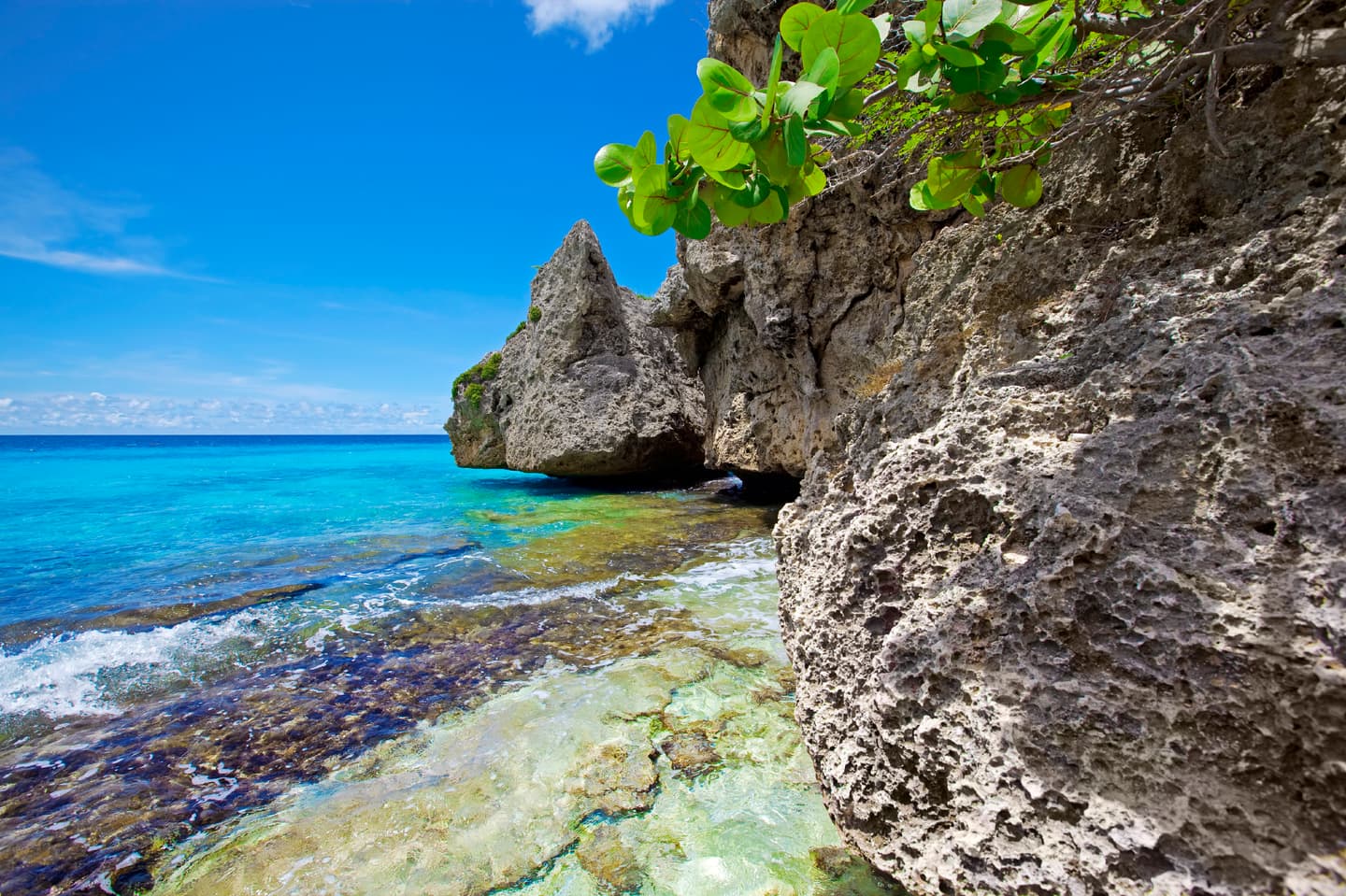
Beaches Aren’t the Best: Many beaches are narrow and rocky or man-made, a contrast to the white-sand stunners on other islands.
Locals Are Truly on Island Time: Though much of this isle has a European feel, it’s still the Caribbean. Leave extra time to get back to your ship.