
Set on the left bank of the Danube, Kalocsa is one of Hungary’s oldest towns and dates back to the early 11th century. As the town evolved it became known for paprika production and intricate handcrafted embroidery, traditions that still thrive today.
Life at Port
See It for Yourself
What We Love
Charming Museums: Get a feel for Kalocsa’s rich folk art history at the Karoly Viski Museum, located in a peasant house. The richly decorated interiors are painted in Kalocsa patterns, and the textile collection includes excellent examples of the town's famous embroidery. Then head to the Paprika Museum, ideal for gourmands who want to know the history of “red gold” in Hungary.
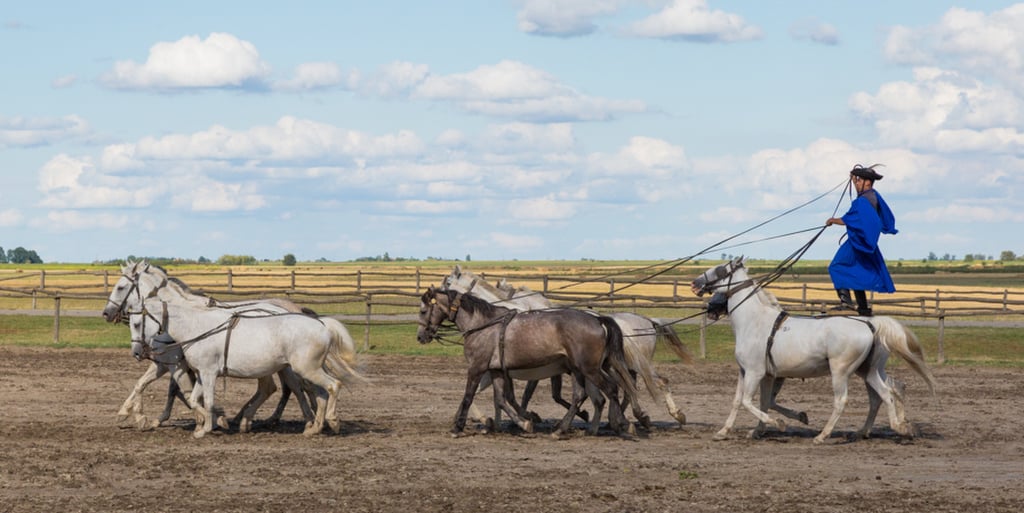
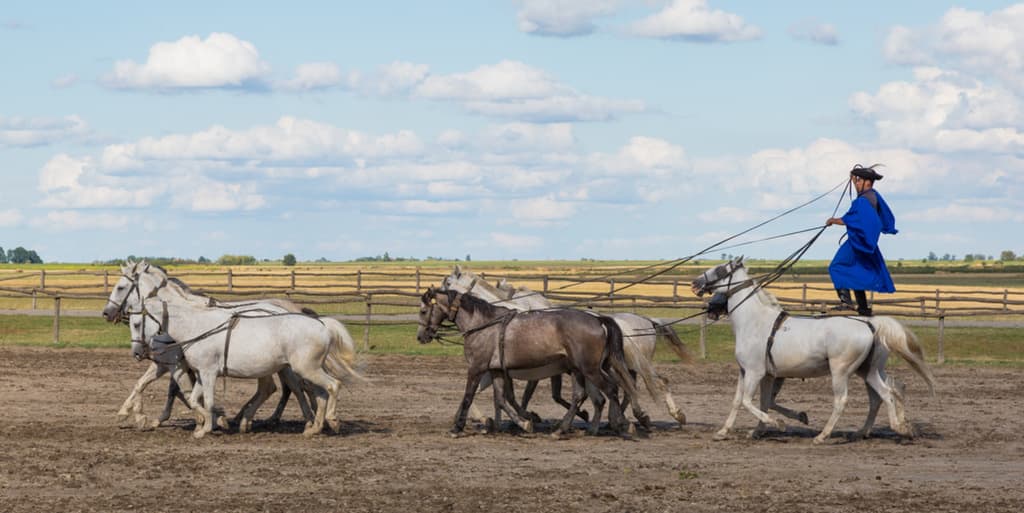
Puszta Horse Show: This area of Hungary was like the American West, with Hungarian cowboys (csikós) dressed in flowing blue and black outfits controlling vast herds of horses. This horse show (which is admittedly very touristy) includes csikós doing traditional moves like laying horses, sitting horses, and carriage driving.
Best Known For
St. Mary’s Cathedral: This Italian baroque cathedral sits in the center of town as part of the Holy Trinity Square. It is considered one of the most beautiful churches in Hungary and has a striking stuccoed interior.
Archbishop’s Palace: After you have toured St. Mary's, head across the square to this palace built in the 1760s. In the ceremonial hall you can view astronomical devices and maps dating to the Middle Ages, and the 150,000-volume library includes a bible written by Martin Luther.
Who It's Good For
Wine Lovers: A quick drive out of town and you’re in the heart of the Hajós-Baja wine region, known for white varietals like kunleány and cserszegi fűszeres. Stop in the village of Hajós, which is actually composed not of homes, but hundreds of wine cellars.
Don't Say We Didn't Warn You
Plan Ahead: If you want to break away from the group excursion and explore on your own, be aware that you can't just hail a taxi here. You must book in advance — or have the ship’s concierge do it for you.