The Best Places to See the Northern and Southern Lights This Year
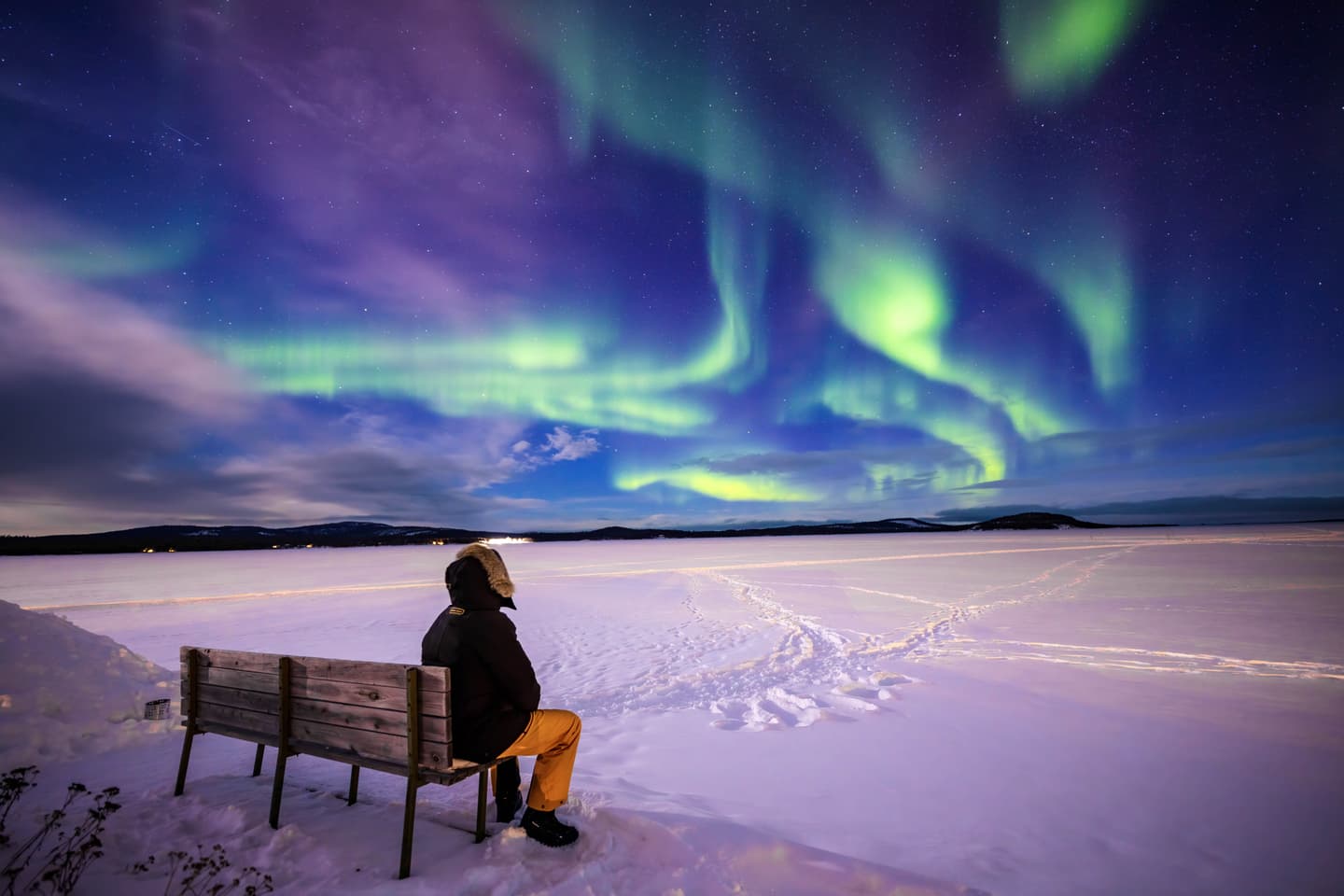
Most years, the dazzling lights of the auroras stick pretty close to Earth’s poles. But in recent months, the aurora borealis has been doling out free samples of its stellar light show in places as far south as London and San Francisco. This sneak peek far beyond the polar auroral ovals has given new buzz to this cosmic marvel and ricocheted it to the top of many travelers’ must-see lists.
The top of the list is exactly where an aurora trip should be throughout 2025, since we’ll remain in the peak of solar activity — and can therefore expect extra incredible aurora borealis (northern lights) and aurora australis (southern lights) displays — for the next year or so (the sun hit its solar maximum — the peak of its 11-year solar cycle — in October 2024). And though seeking out remote, cold, dark destinations runs counter to most people’s vacation impulses, the payoff can be profound.
“It’s one of the coolest things on planet Earth that isn’t on planet Earth,” says photographer and Chief Sustainability Officer of Natural Habitat Adventures, Court Whelan.
Whether you’re seeking the spectacle in the northern or southern skies, here are extra special spots to look upwards — plus Whelan’s tips on how travelers can best photograph this natural phenomenon.
Aurora Borealis: Northern Lights Hotspots
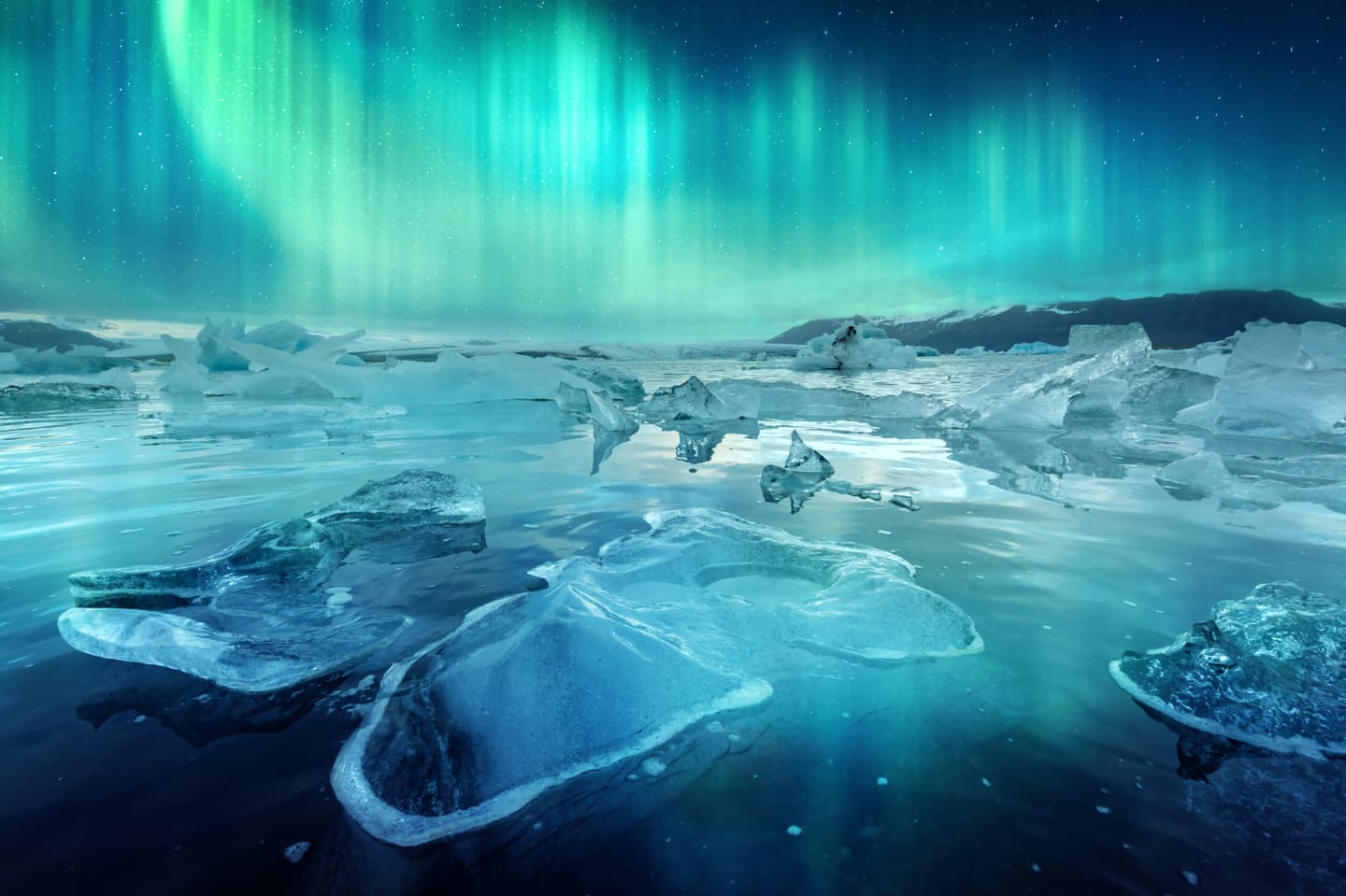
Many of the most famous spots to see the aurora fall in the northern hemisphere. Here are some of the best that place you perfectly for sky splendor.
For the best chance at dazzling displays, plan a trip in autumn or winter when the nights are long.
Churchill, Canada: Queen of the Aurora
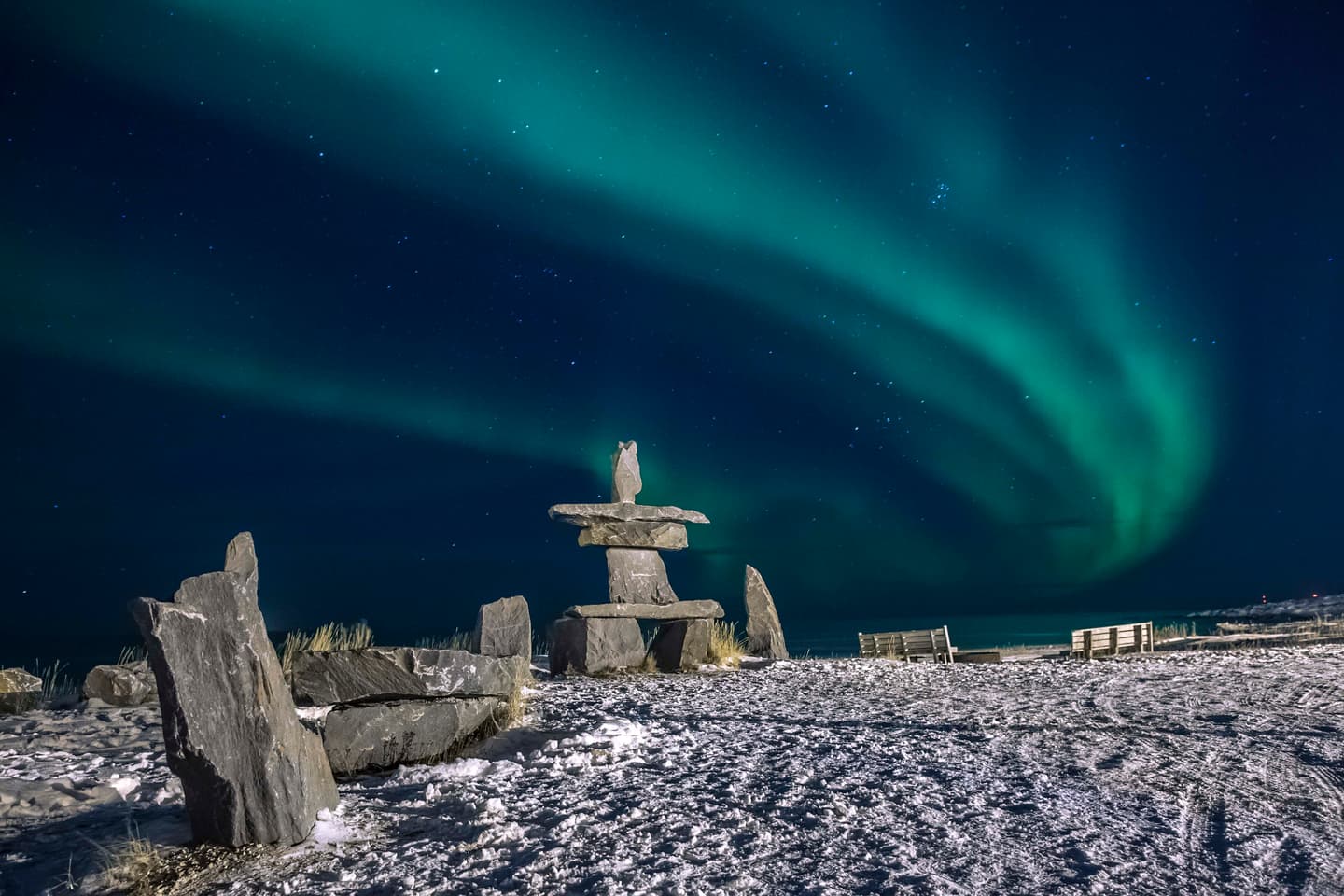
Churchill makes headlines as the polar bear capital of the world, but in Whelan’s estimation, it wears another crown, too: queen of the aurora borealis. This remote Manitoban outpost directly underneath the auroral oval is far from the city lights, and since it sits on a bay that freezes over in winter, it’s less prone to the cloud cover of coastal destinations where the water stays liquid in winter. Add in nearly 300 nights of aurora activity each year and you’ve got near-perfect conditions.
Tromsø, Norway: The Eye of the Oval
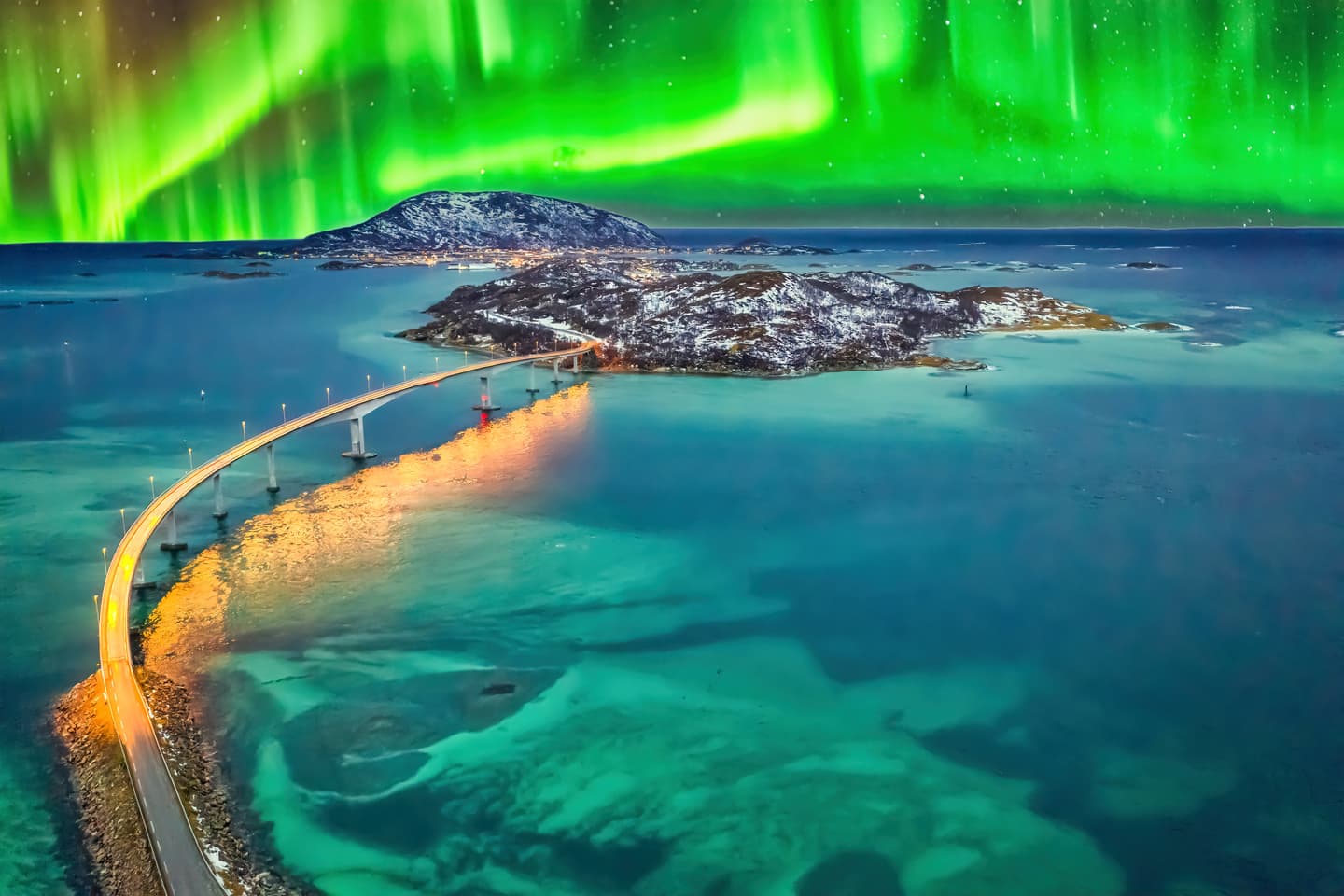
If you picture the Northern Hemisphere’s auroral oval as an eye, Tromso is the iris, soaking up light from all angles. This Norwegian city falls within the Arctic Circle, and while the urban glow of Tromoso proper can dull the display a bit, it’s a fantastic home base for aurora chasing. Popular spots to take in the lights nearby include Fjellheisen Mountain and Prestvannet lake, and there are a lot of guided northern lights tours that pair you with expert locals who know the terrain (which is extra helpful at night).
Iceland: Aurora Wake-up Calls
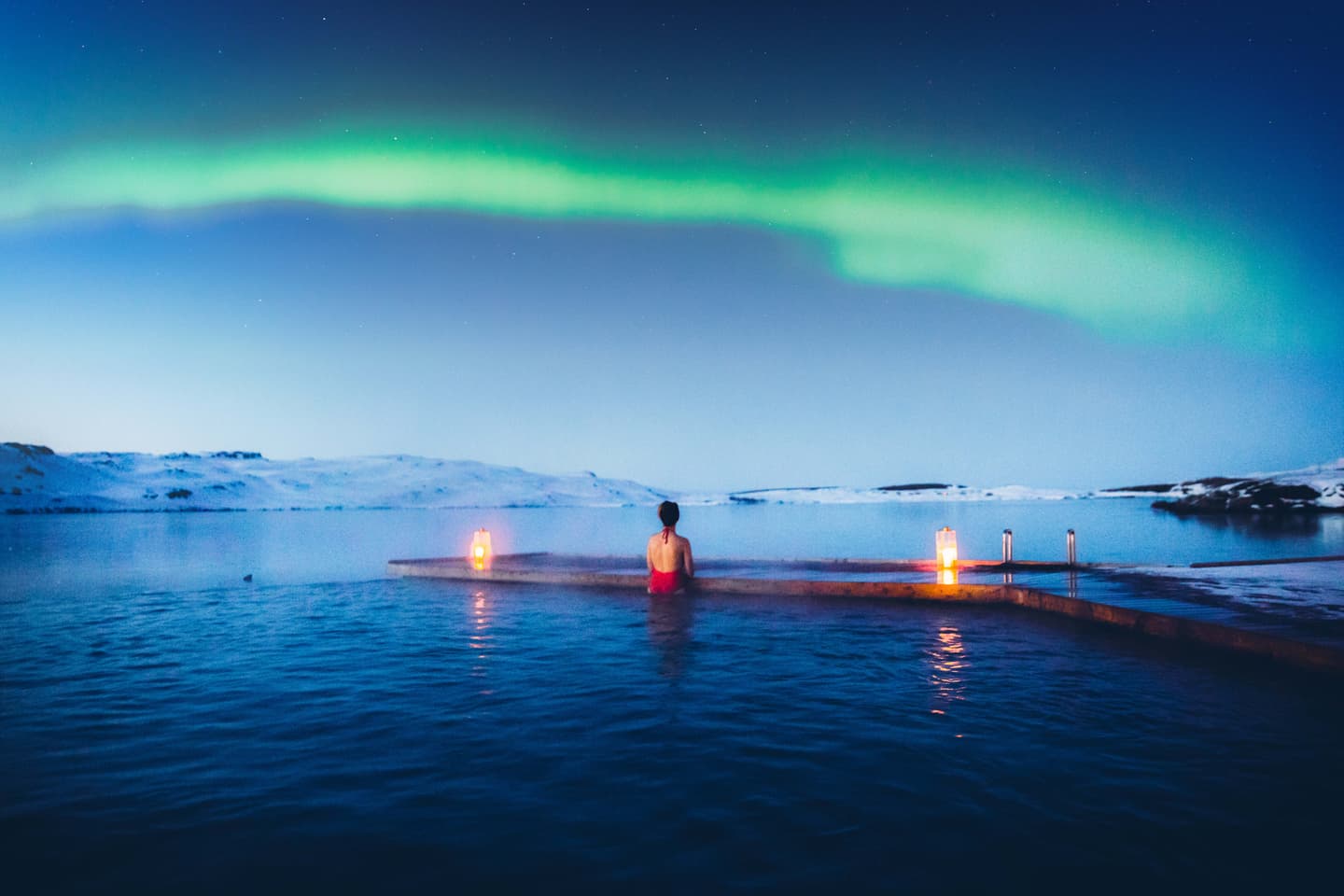
You know Iceland is a country with serious aurora cred because its Met Office issues daily lights forecasts along with the usual weather reports. Around there, the worst excuse for missing the aurora is because you slept through it, which is why a number of hotels in Iceland offer aurora wake-up-call services. Hotels within about an hour-and-a-half drive from Reykjavik that offer the perk include Hotel Rangá, Hotel Husafell, and the Stracta Hotel. Many also offer additional comfort-boosting amenities like cozy observatories or domes along with extra-warm gear to make your skygazing time more pleasant.
Alaska: City Lights and Mineral Spring Wonders
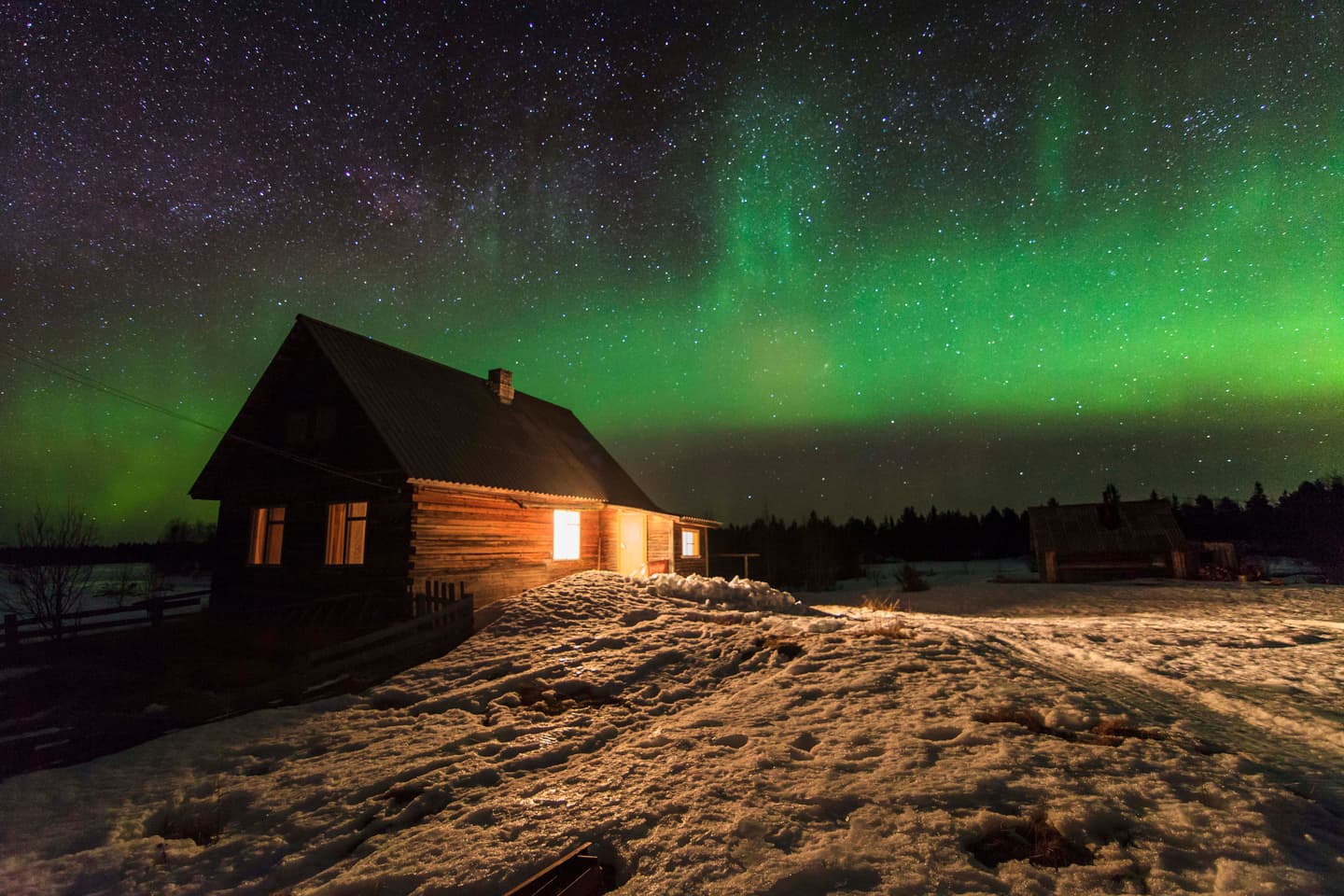
When it comes to aurora chasing in Alaska, you’re spoiled for choice. For the state’s most accessible skygazing opportunities, head to Fairbanks, Alaska’s second-largest city. Its central Alaska position puts you in just the right spot for casual watching or heading out with an expert for a tour that includes dog sledding, ice fishing, or lights chasing. About an hour from Fairbanks, Chena Hot Springs Resort has a setup that includes hot drinks for skygazers, hot springs that remain open until 11:45 p.m. nightly, and a snow coach tour to a mountaintop yurt for extra primo views.
Abisko, Sweden: Chairlift to the Sky
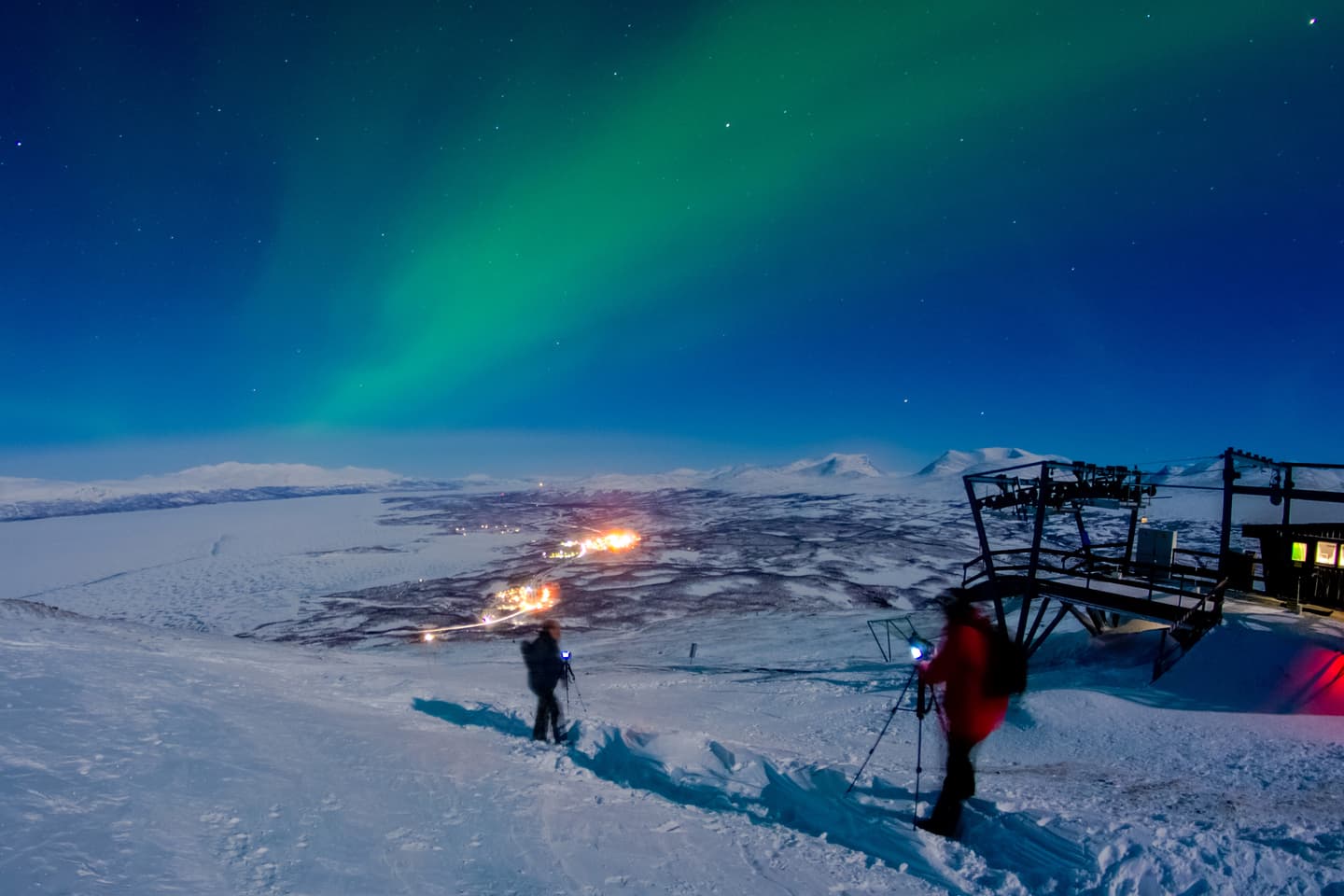
There’s something poetic about traveling to the almost-top of the world and then hopping on a chairlift to take you even higher, almost as if you’re ascending right up into the lights themselves. In the far-northern village and neighboring national park of Abisko in Sweden, that’s exactly the path to some of the world’s best aurora borealis viewing. The national park’s Aurora Sky Station sits at the top of a chairlift and offers a lookout tower, a big outdoor viewing deck, interpretive programs, and a restaurant with a northern lights-themed dinner.
Aurora Australis: Southern Lights Destinations
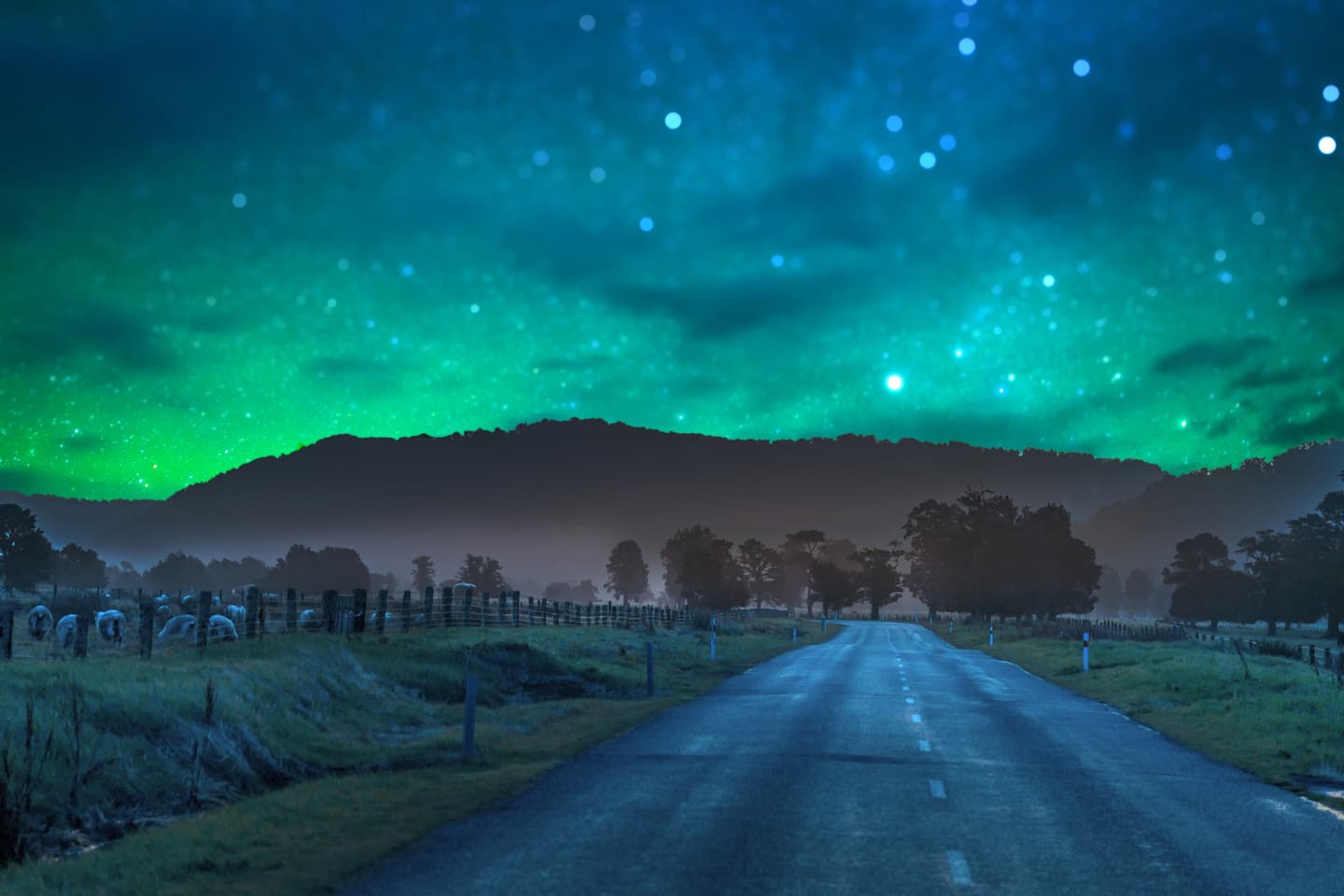
Borealis gets the most coverage in the Northern Hemisphere, but the light show is just as good under the southern lights, where it’s called aurora australis. But there’s a catch: many of the most brilliant aurora australis displays happen over open water, and the places on land where you can see the lights are often remote.
There may be fewer places to catch the show in the southern hemisphere, but the following spectacular spots are worth the journey. Prime time for the lights in the southern skies tends to stretch from March to September.
Stewart Island, New Zealand: Land of the Glowing Skies
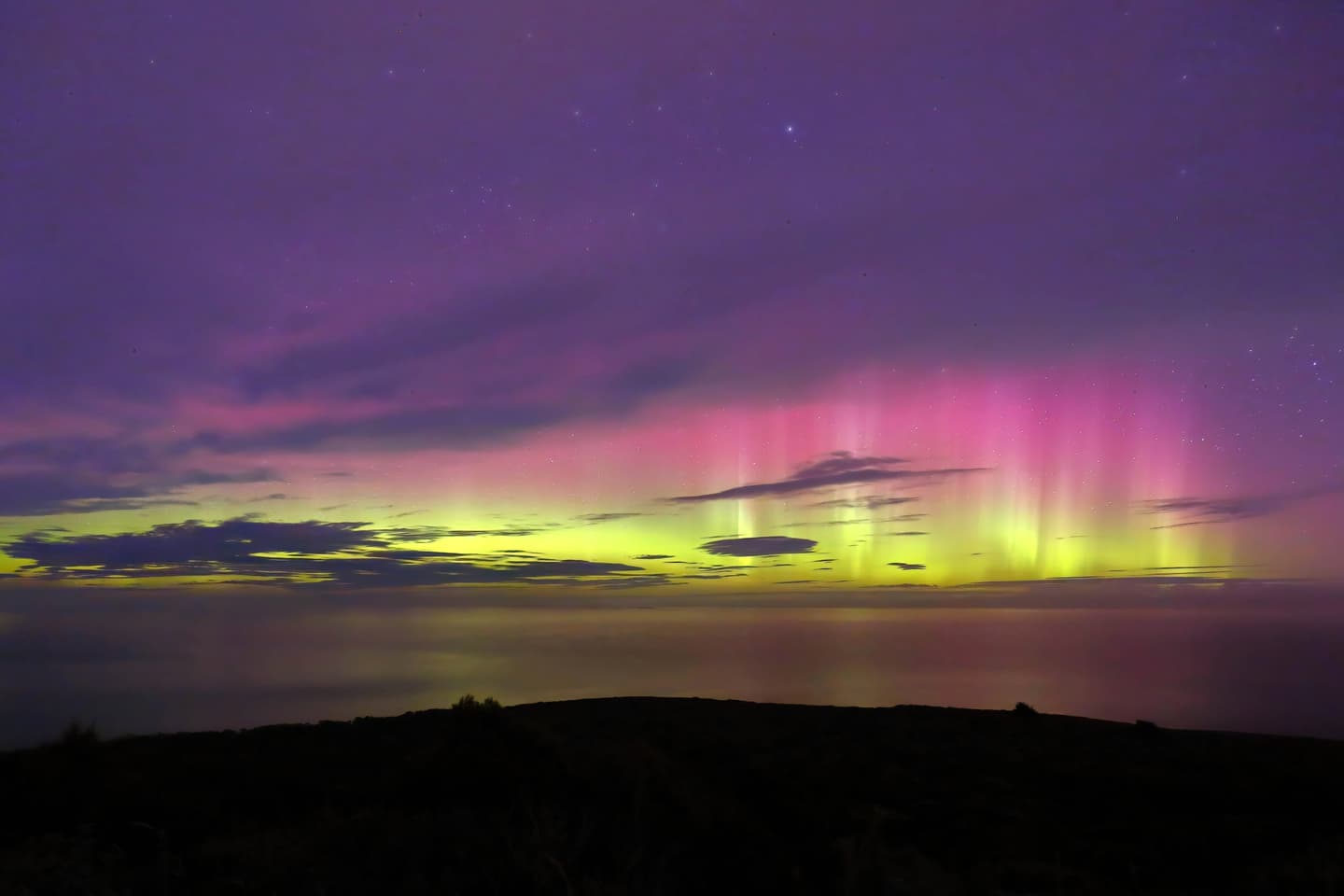
You know you’re on the right track heading to an island whose Māori name translates to “land of the glowing skies.” Rakiura, also known as Stewart Island, sits about 30 kilometers (about 19 miles) south of New Zealand’s South Island, and is one of the country’s best spots for jaw-dropping auroral lights displays. This Dark Sky Sanctuary island is 85% national park woven through with hiking trails, and it doubles as a top destination for bird watchers, with the chance to see native species like brown kiwis and blue penguins in a predator-free environment.
Milford Sound, New Zealand: Land and Sky Auroras
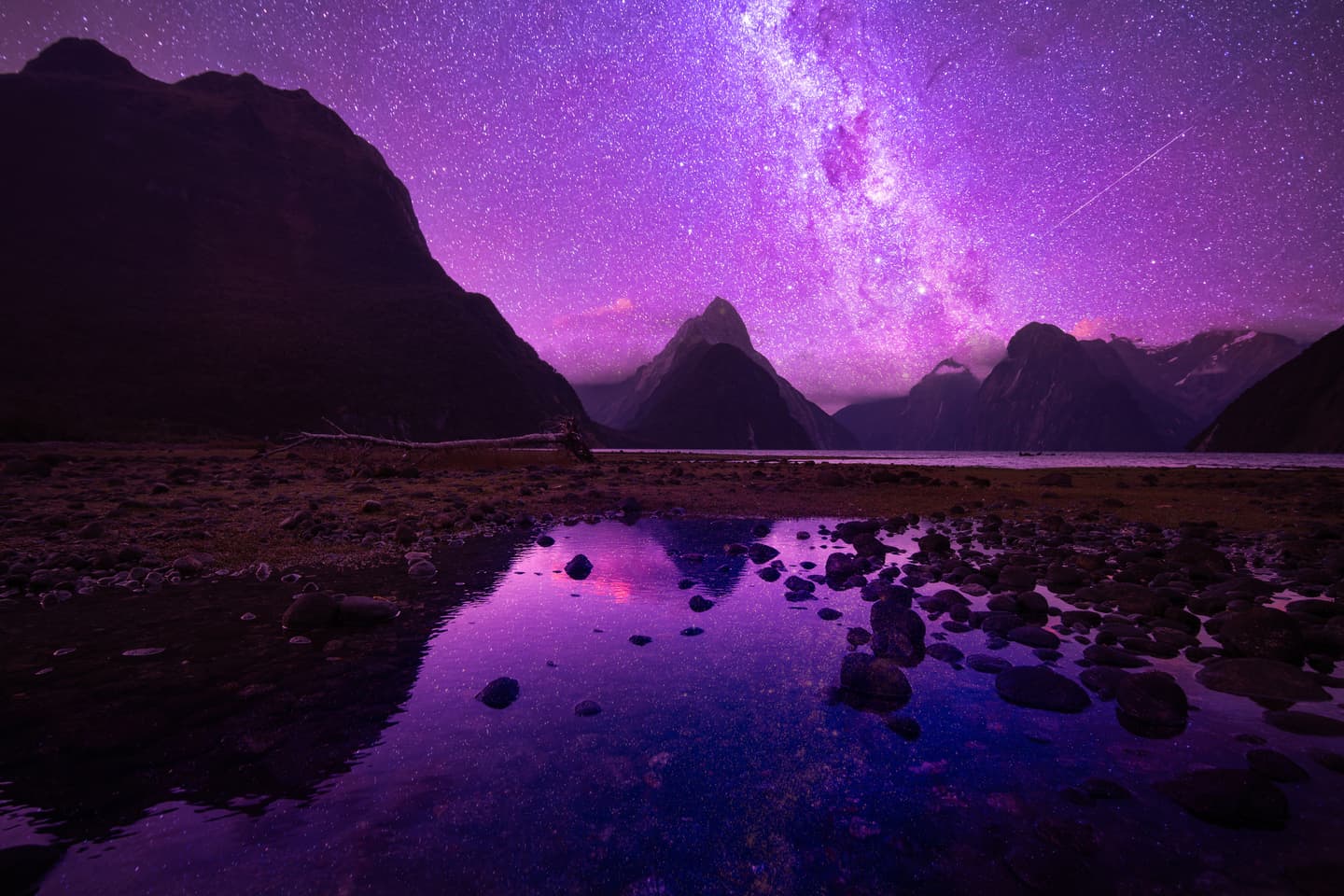
You know what really doubles the drama of the southern lights? Seeing it simultaneously as it fills the sky and reflects in the sparkling waters of Milford Sound. Buffered by the wilderness of Fiordland National Park, Milford is the only sound in the national park accessible by road. Overnight in the small town or book an overnight cruise to boost your chances of seeing the aurora. During the day, hike and paddle your way to mountain, waterfall, and fjord views in this vast wonderland about four hours by car from Queenstown.
Victoria, Australia: Urban Skyscapes
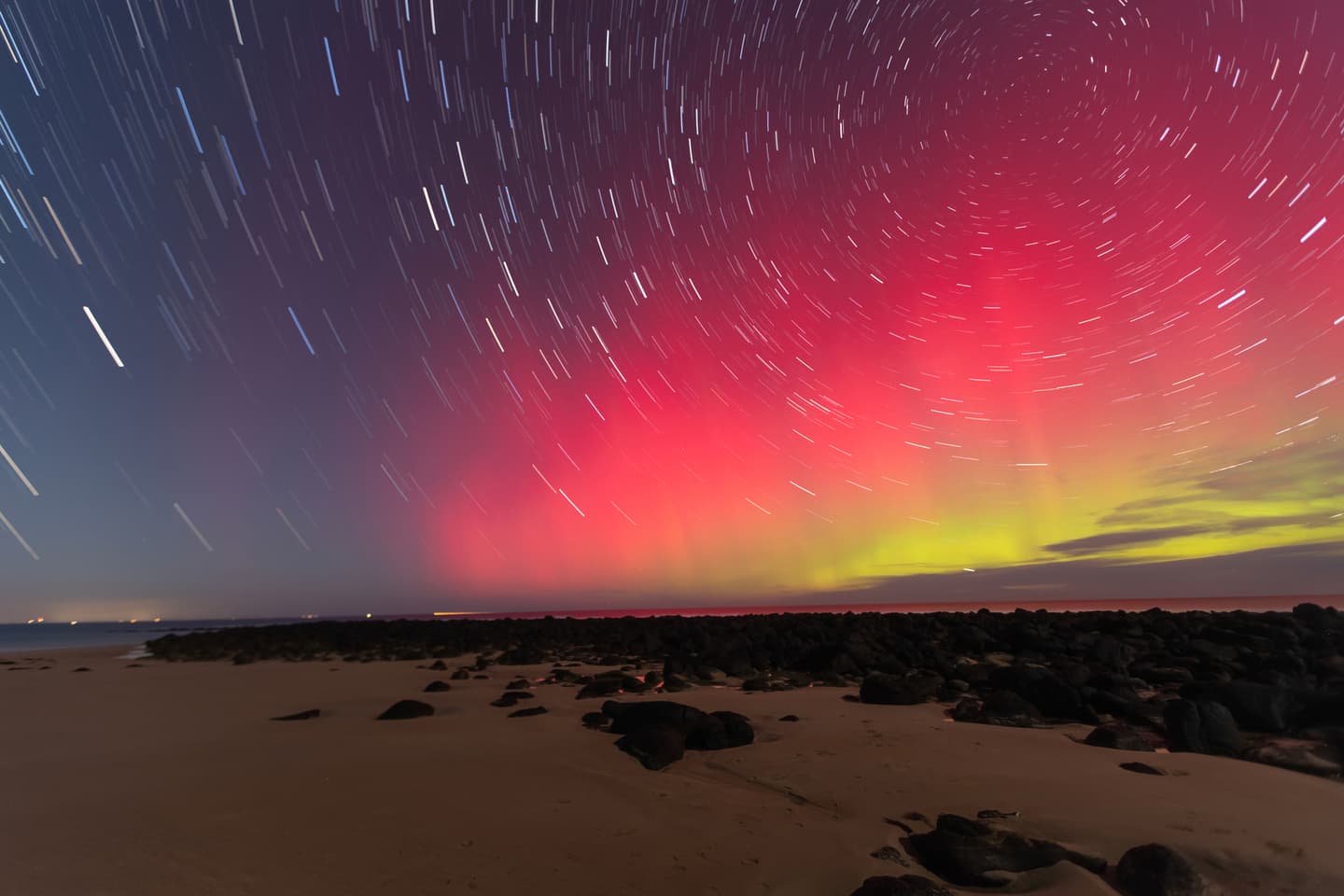
Most of the places on this list are pretty remote, but if what you’re looking for is a destination that gives you a good chance at seeing the lights without needing to fully commit to a trip to the edge of the world, the state of Victoria is a good bet. The best-case scenario here is that you’ll see a good show over Melbourne; but if you’re willing to head farther south, you can score yourself a front-row seat in a place like Wilsons Promontory along mainland Australia’s southernmost coast.
Hobart, Tasmania: Night trips From the City
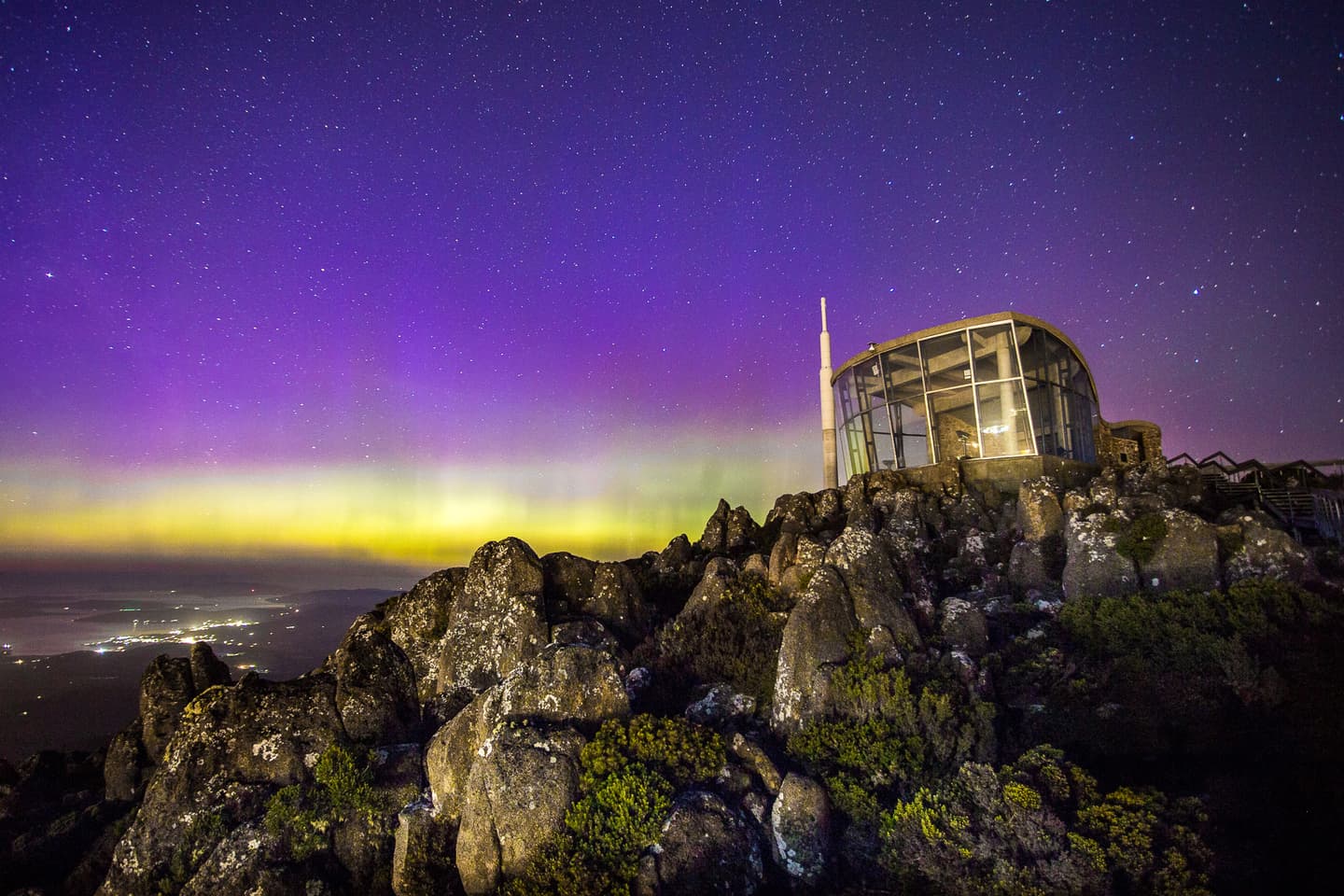
Tasmania, an island about 240 kilometers (150 miles) south of the Australian mainland, has just the right perch for great southern lights viewing. Keep things interesting by making Hobart your home base. From here, you can try out different foregrounds for your evening excursions, including the summit of kunanyi (Mt. Wellington), Goat Bluff, Bruny Island, and the geologically cool Tessellated Pavement. And as long as you’re out and about at night, stop by Devils @ Cradle sanctuary for a night feeding tour of the island’s famed Tasmanian Devils.
By Air: Flightseeing the Aurora Australis
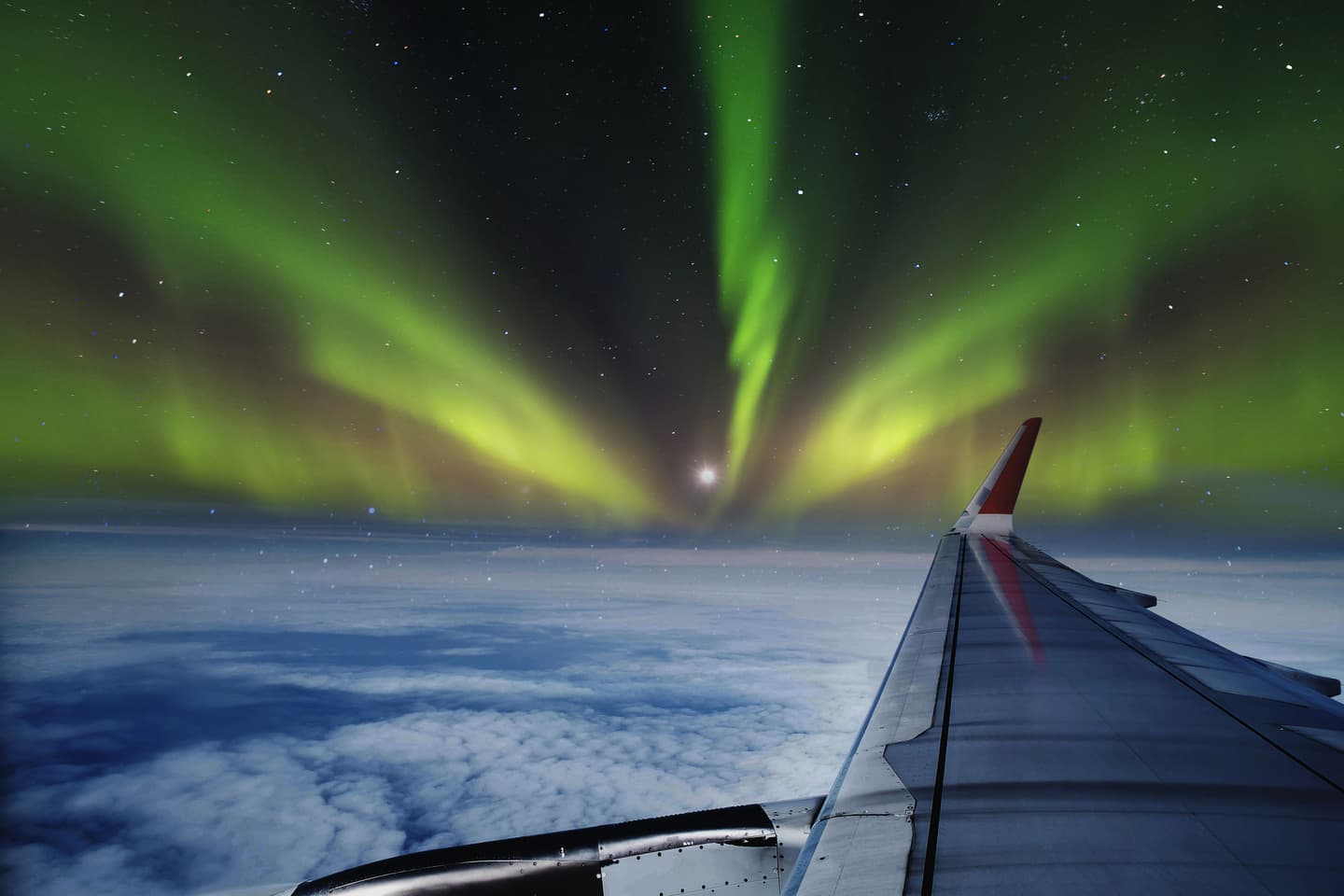
Meet the lights on their home turf by heading up into the air to see them. For a once-in-a-lifetime experience, start at New Zealand’s Christchurch International Airport, where you’ll board an Air New Zealand Dreamliner and then ascend skyward toward the brightest displays of the aurora australis. This flightseeing approach is pricey but priceless since you’ll soar above the clouds and the light pollution to get the world’s best view of the lights.
Tips on Photographing the Auroras
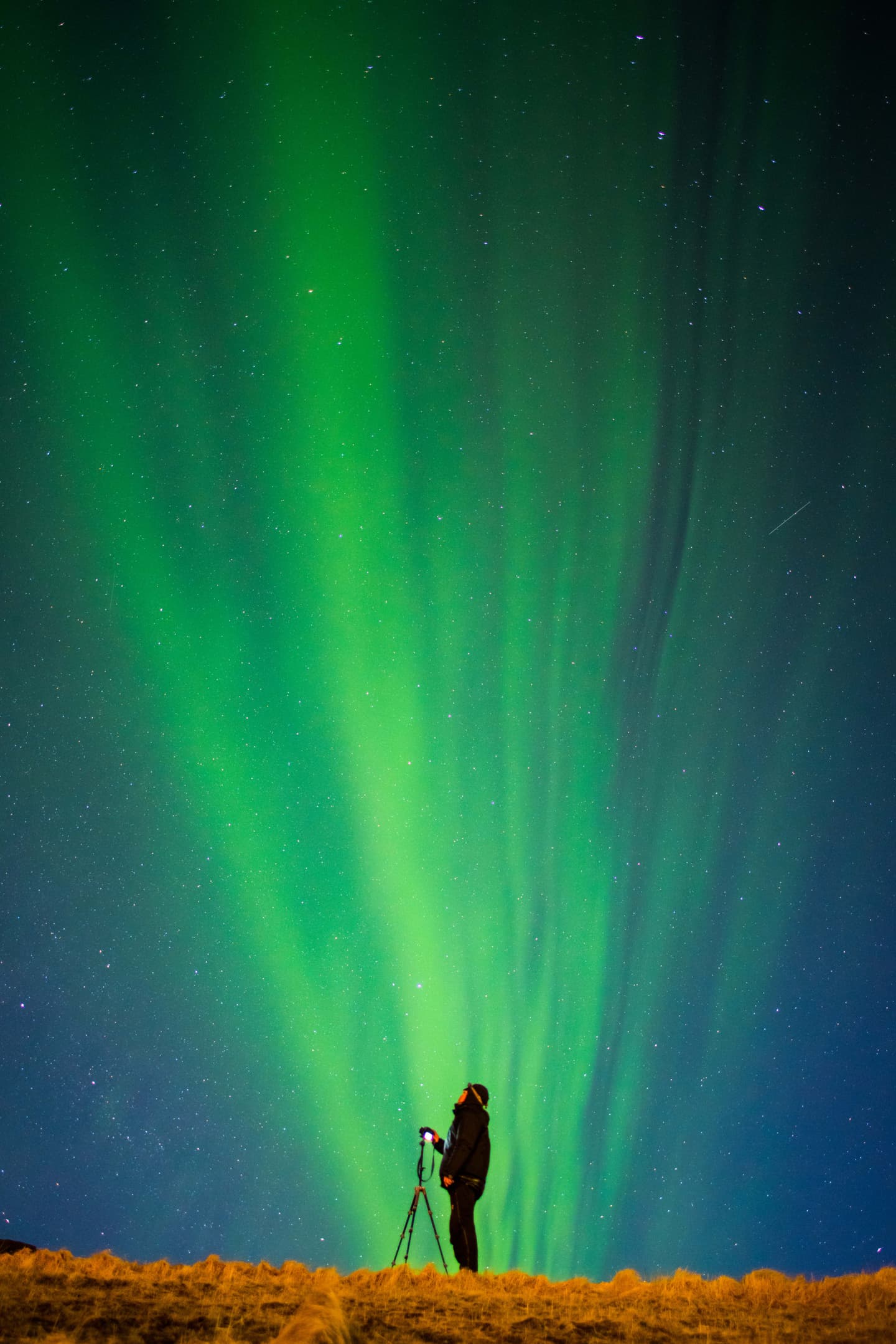
You don’t need to be a pro to take amazing photos of your aurora adventures. The keys to success are a little prep work and a lot of trial and error. “I’ve never come back from a trip and said ‘Damn, I took too many aurora photos,” says photographer and Natural Habitat Adventures’ Court Whelan. Whelan has been leading northern lights trips for a decade, coaching travelers through the specific skill of aurora photography.
“Cameras see more accurately than the eye,” says Whelan. Whereas our human eyes are limited by the functions of the cones and rods (cones see light and color but not color in darkness, and rods are good at night vision but not at seeing color), for aurora displays, your camera or phone can be a “scientific instrument to capture what’s actually happening.”
When you’re looking to compose a great aurora photo, pay attention to more than just the sky. “Finding a foreground element that’s really compelling is the trickiest thing,” says Whelan. That’s because without some sort of context — for instance, trees or a little house lit from within — it’s hard for a photograph to capture the grand scope of the lights filling the air. Even people can make a good foreground if they can stay still for long enough. “Ask yourself what looks good as a silhouette, maybe a hand pointing to the sky or the outline of a person with their camera up.”
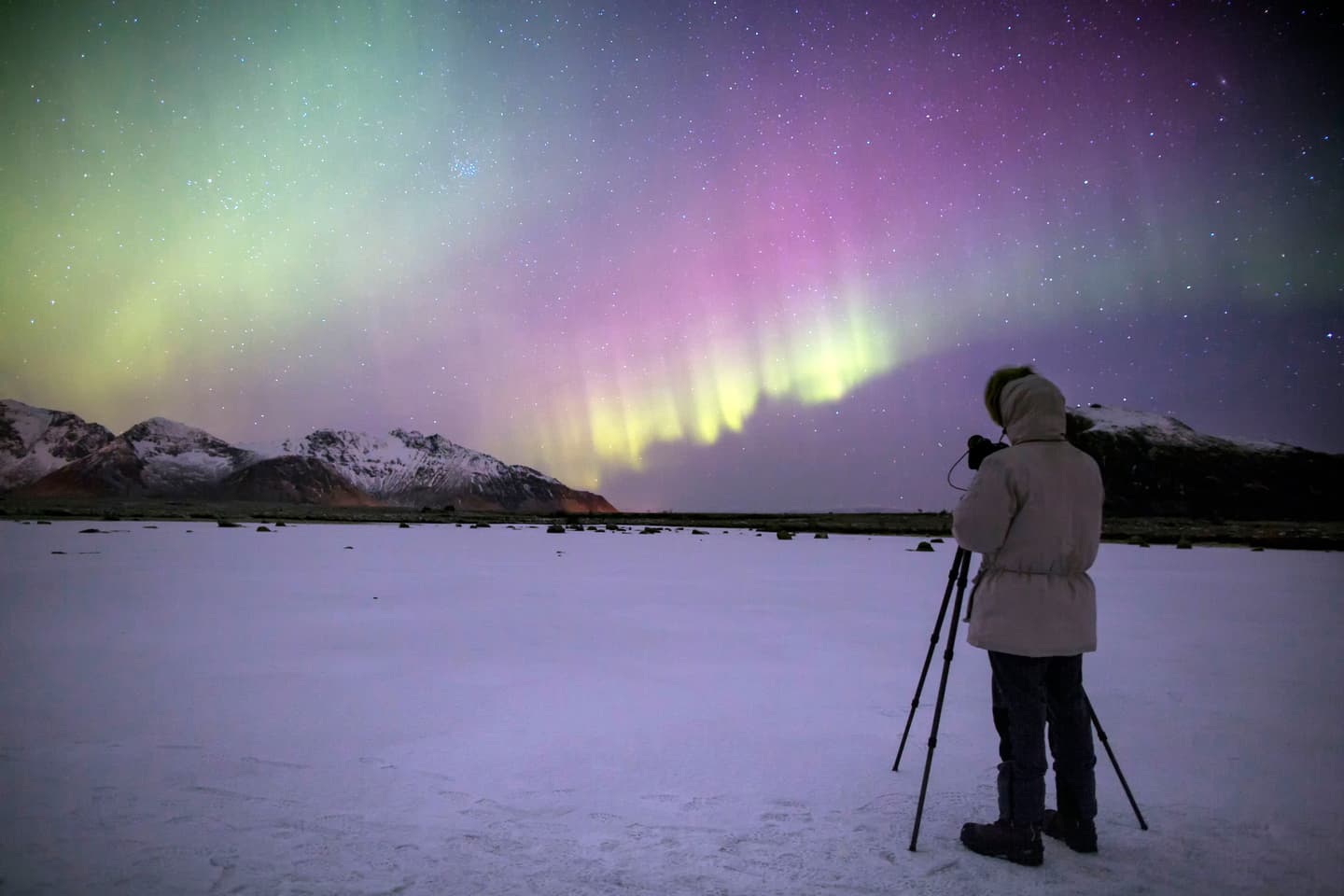
Whelan likes keeping the foreground element in focus, since “the aurora is already sort of blurry.” To minimize camera movement, he suggests using a tripod and skipping the remote shutter in favor of a simple two-second timer so you won’t get that button-push shake.
If you’re going to be photographing with a DSLR camera, you may not even need special lenses: “The typical 18-55 mm kit lens that most cameras come with are just fine,” says Whelan.
Finally, Whelan says that the idea that a bright moon will wash out photos of the aurora is overstated. In fact, the moon may actually make your photos better. “The moon is a nice soft light that allows you to illuminate the foreground with natural light.” And like a great foreground element, the moon offers something recognizable in a photo, a “familiar celestial body amid a weird backdrop.”
Latest Articles

The Best Cruises To Celebrate America’s 250th

10 Tips for Getting the Best Cruise Deals During Wave Season
Why Booking Repositioning Cruises Is a Savvy Move — and the Best Ones To Snag This Spring

Everything You Need To Know Before Chartering Your First Yacht — Which Can Be a Better Deal Than a Mainstream Cruise

The 20 Best Cruise Itineraries for 2026 & 2027