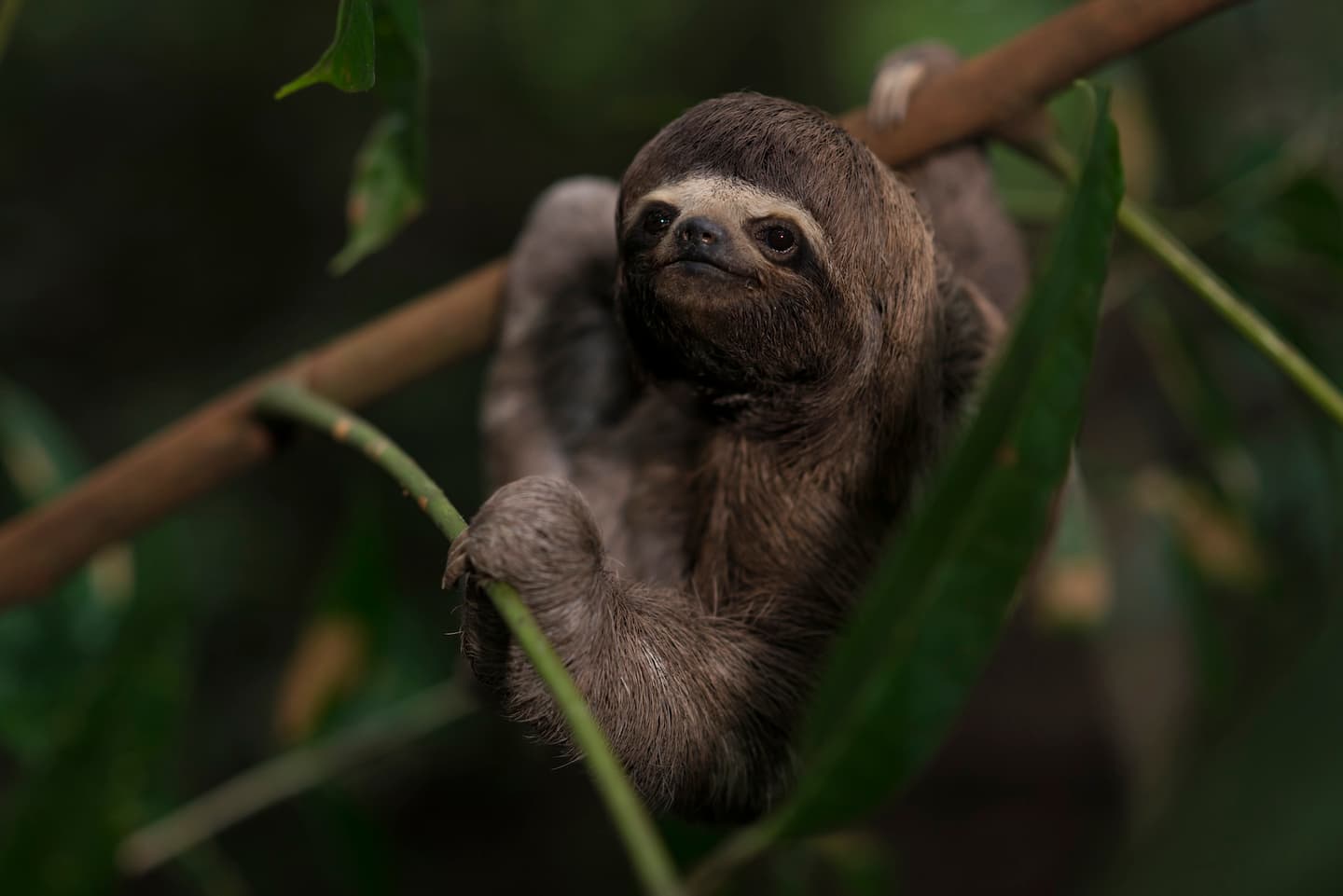
Sloths, pink dolphins, capybaras, and Amazonian cultures draw millions of people to the Peruvian rainforests every year. As some of the most biodiverse spots on the planet, you're likely to see rare primates, birds, and other animals such as Woolly-tailed monkeys and macaws.
Increasingly, luxury tours and river cruises are taking the experience to new heights, promising a visit that's responsible and sustainable, while also providing personalized service and excellent Peruvian cuisine. Luxury in the rainforest also means small groups or private tours with highly qualified guides that are well-trained in spotting wildlife and can identify birds from their calls. Top tour and cruise companies will also give you unparalleled access to the rich cultures of the Amazon Basin, taking you on visits to local villages or having Indigenous experts come to your lodge to teach you about their culture.
Where you go in the rainforest, and who you go with, make all the difference. The jungle is so remote that tour companies always have their own lodges and boats, so choose carefully and make sure that the one you pick has both the type of accommodation and the tours that you want.
Where to Go
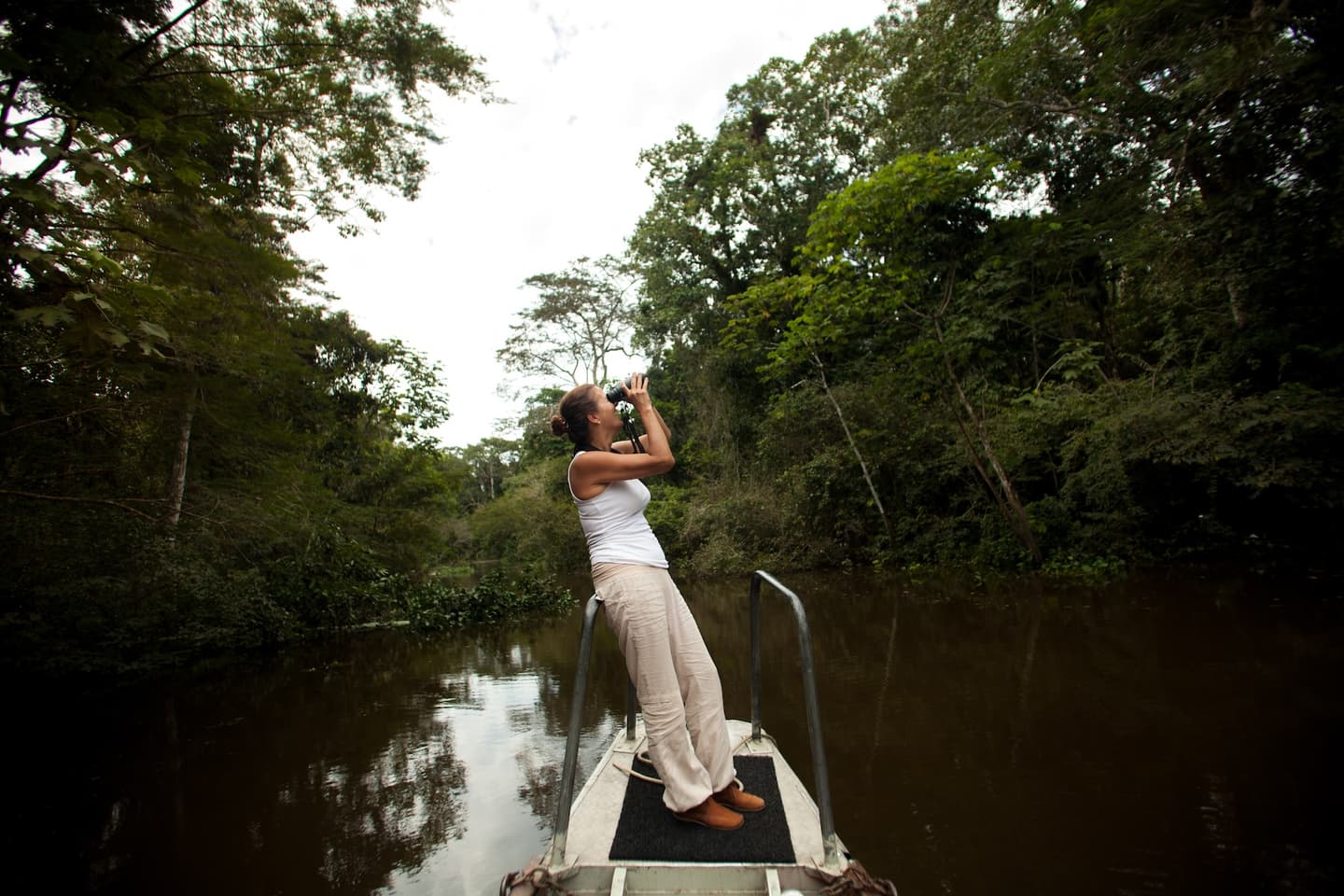
The two most popular rainforest destinations in Peru are Iquitos and Puerto Maldonado, because their airports have several flights daily from Lima. Having an airport is key in the rainforest, where roads may be frequently washed out or simply don't exist. Iquitos, in the north of Peru, is effectively an island, only accessible by boat or plane. Puerto Maldonado in the southeast, a river port on a tributary to the Amazon in southern Peru, also has flights from Cusco. Both Iquitos and Puerto Maldonado have access to pristine areas of rainforest as well as luxury lodges nestled deep within them.
While the cities of Tarapoto and Pucallpa, are a bit more off the beaten track and offer fewer high-end tours and hotels, travelers will be rewarded with cooler temperatures, immersive cultural experiences, and abundant nature-viewing, along with access from local airports. Tarapoto in northern Peru is located in San Martín, a mountainous region of cloud forest teeming with wildlife and a great opportunity to avoid the heat of lowland jungles. Pucallpa in the country's east is the most popular destination for travelers interested in Amazonian cultures and their art. Art collectors from around the world fly into Pucallpa to visit the Shipibo-Konibo, Ashaninka, Kakataibo, and Iskonawa communities to see their work.
If you want to drive into the jungle, the best route is from Cusco to Manu National Park, famous as one of the most biodiverse spots on the planet with over 800 species of birds, 200 species of mammals, and 77 species of amphibians. However, the drive takes five to six hours, depending on road conditions, and the road itself is narrow and winding — it's not for the faint of heart or for those who suffer from motion sickness. There are several nice lodges in Manu, but they tend to be less plush, as the top travel companies avoid that road.
What to See
Most people come for the wildlife, and if you want to see rare animals such as giant otters and toucans, you won't be disappointed. If you have your heart set on a particular bird or monkey, it's best to check with the tour company if it's likely to be around during the time of year that you'll be visiting. Nobody can promise what wildlife will be present on the days you're there, but they should be able to tell you if a particular animal is commonly seen or, conversely, has never been spotted in their area. You'll be traveling by boat most of the time, which is the perfect way to see animals like jaguars and capybaras that come out of the jungle to drink from the river.
Where to Stay
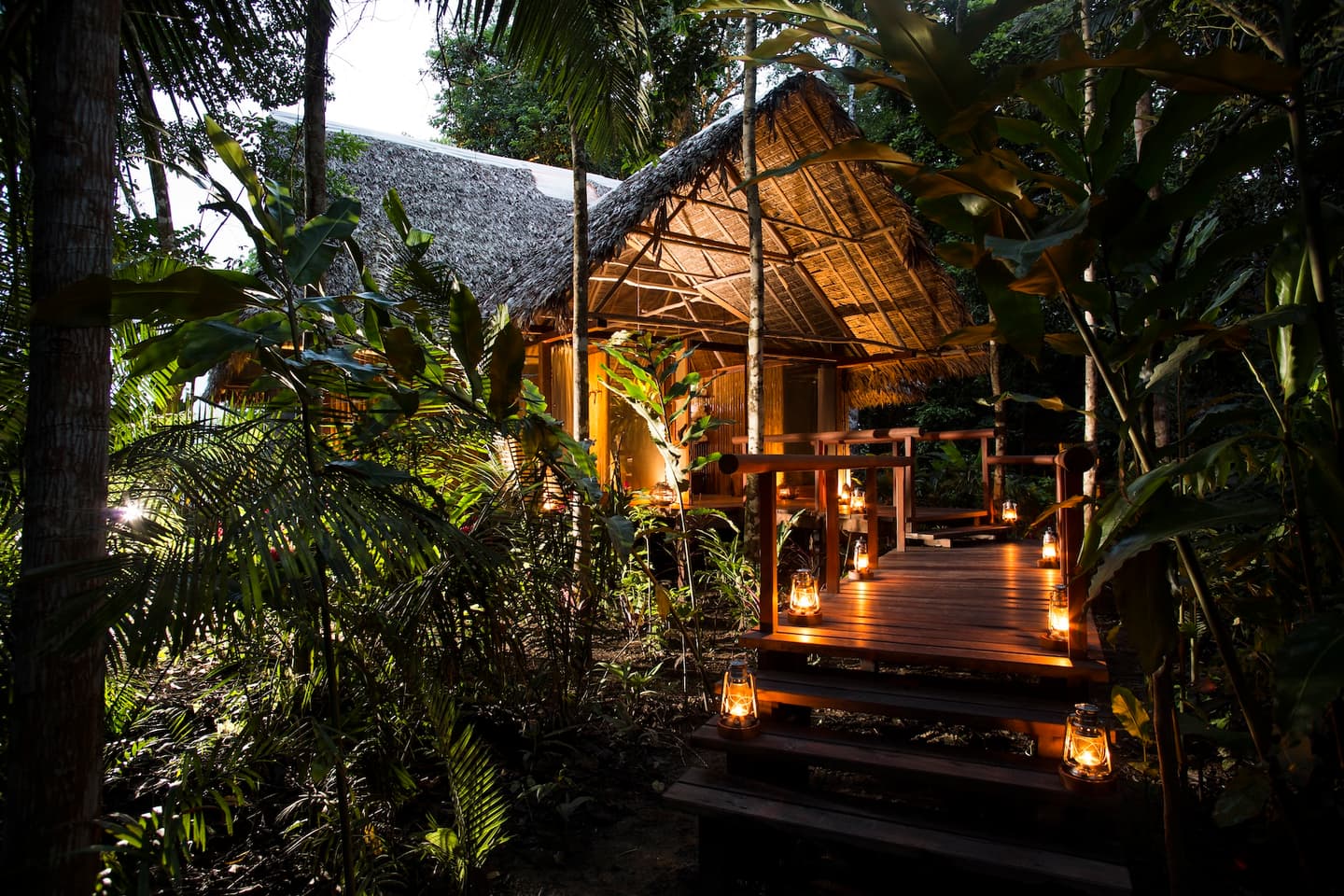
While remote, Peru's high-end rainforest lodges and river cruises will always provide transfers to/from the airport and offer unique stays and rooms or cabins loaded with creature comforts and featuring privileged rainforest view. Many are all-inclusive, meaning accommodation, meals, guided tours, and other activities are included. They also tend to be sustainable and invested in protecting the region's biodiversity.
Inkaterra Reserva Amazonica is the easiest to get to, with only a 45-minute boat ride from Puerto Maldonado. While all rooms are designed to feel like part of the jungle, it's the perfect spot to upgrade to a suite for the plunge pool that helps beat the heat. Suites also have private covered patios with hammocks, indoor and outdoor showers, and housekeeping three times a day.
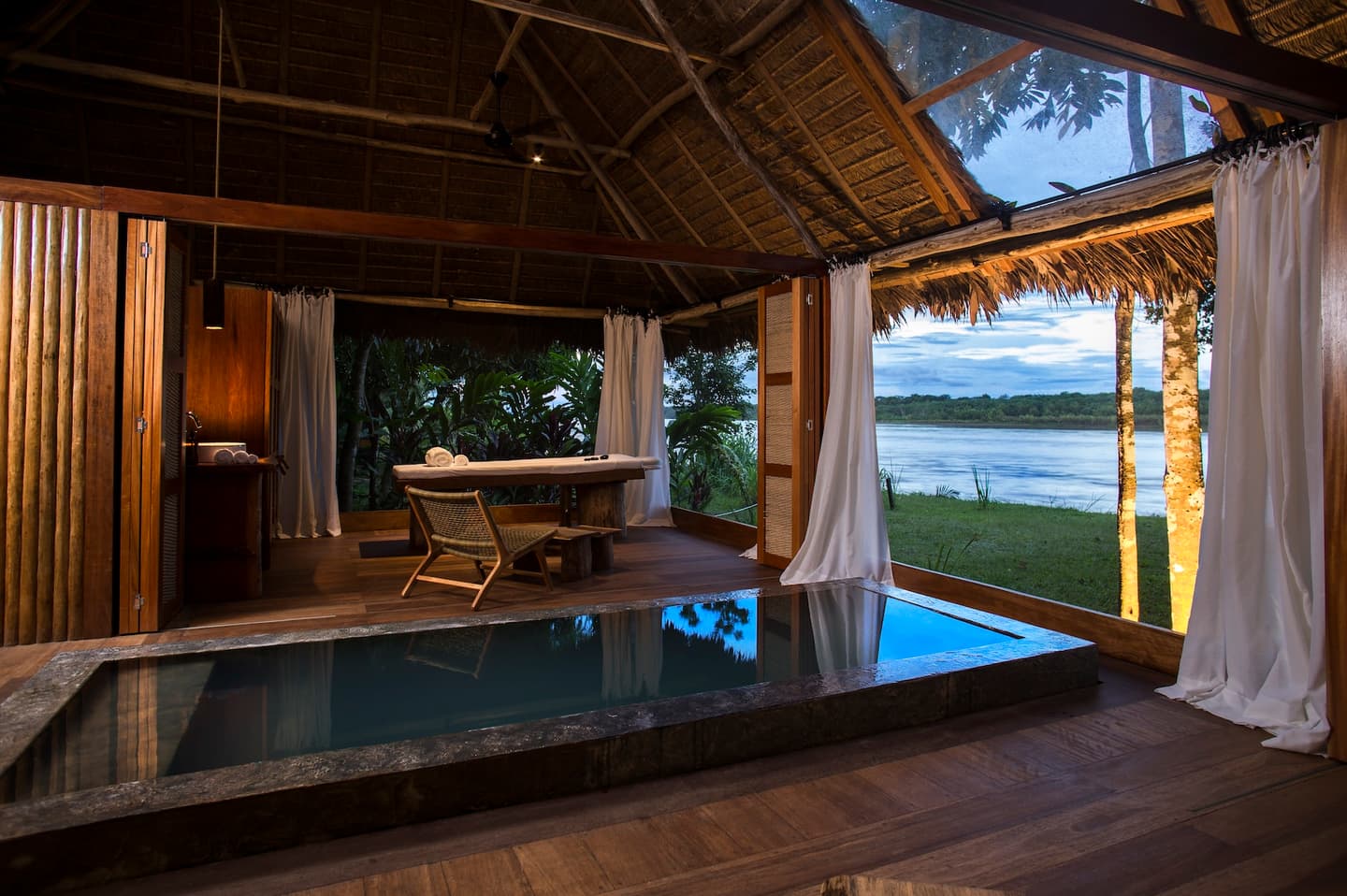
The Tambopata Research Center, by Rainforest Expeditions, is a three- to four-hour boat ride from Puerto Maldonado, which gets you deeper into the rainforest. Here, wildlife enthusiasts can learn directly from resident scientists conducting important conservation research around the lodge. You'll be greeted with fresh juice made from local fruits and the friendly staff ensures you're always as comfortable as possible with cold drinks, snacks, and fans.
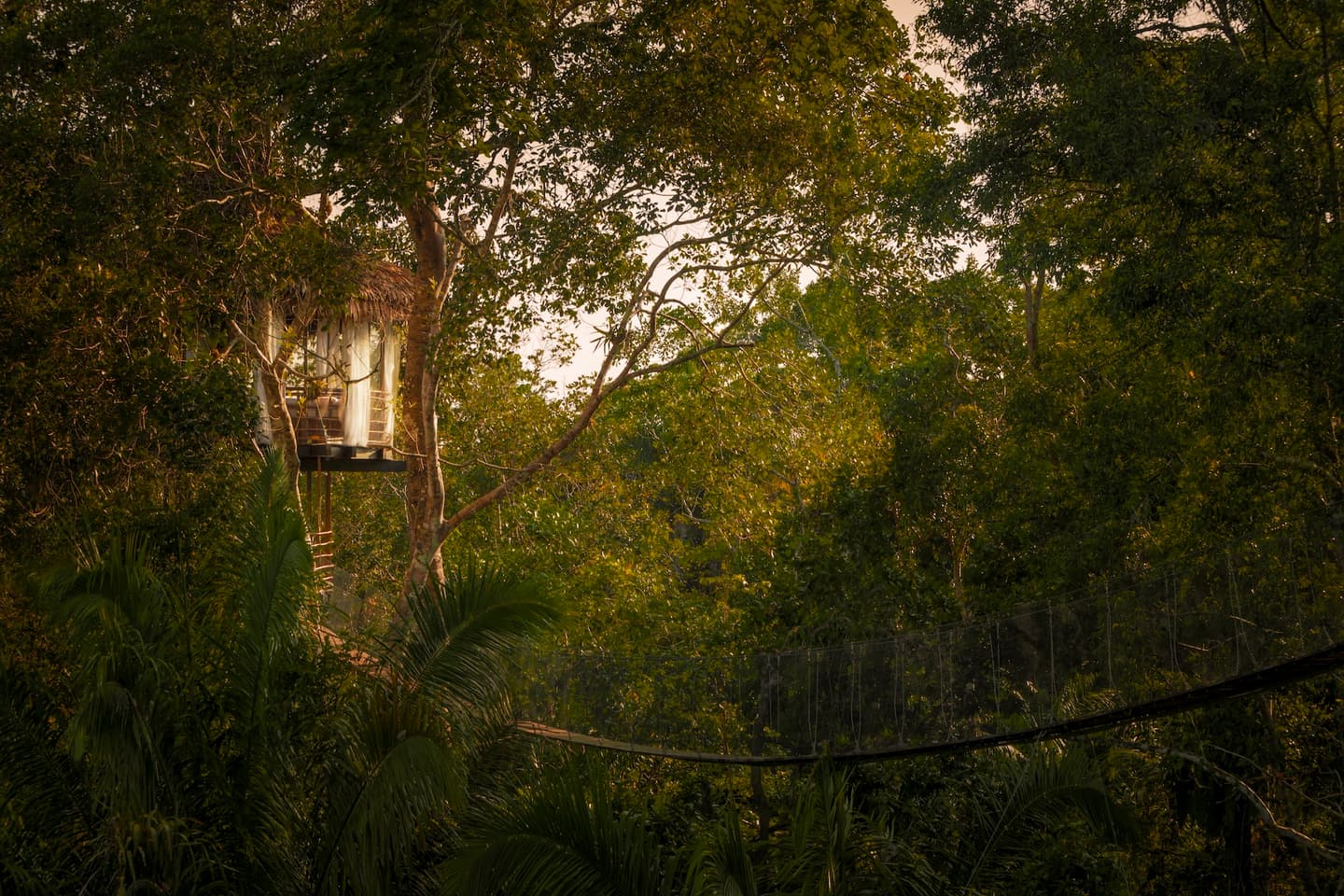
Farther north, Treehouse Lodge is just over an hour's drive from Iquitos, plus another hour on a boat, and probably the most unique place you can stay in the Peruvian rainforest. Each of the dozen treehouses is firmly anchored around the trunk of a massive tree, with walls of only mosquito netting, so you'll experience life in the rainforest canopy like nowhere else. Treehouses have modern bathrooms, comfortable beds, and come with their own guide and assistant, who help guests choose from their long list of excursions to see wildlife in the forests and on the rivers around the Pacaya-Samiria National Reserve.
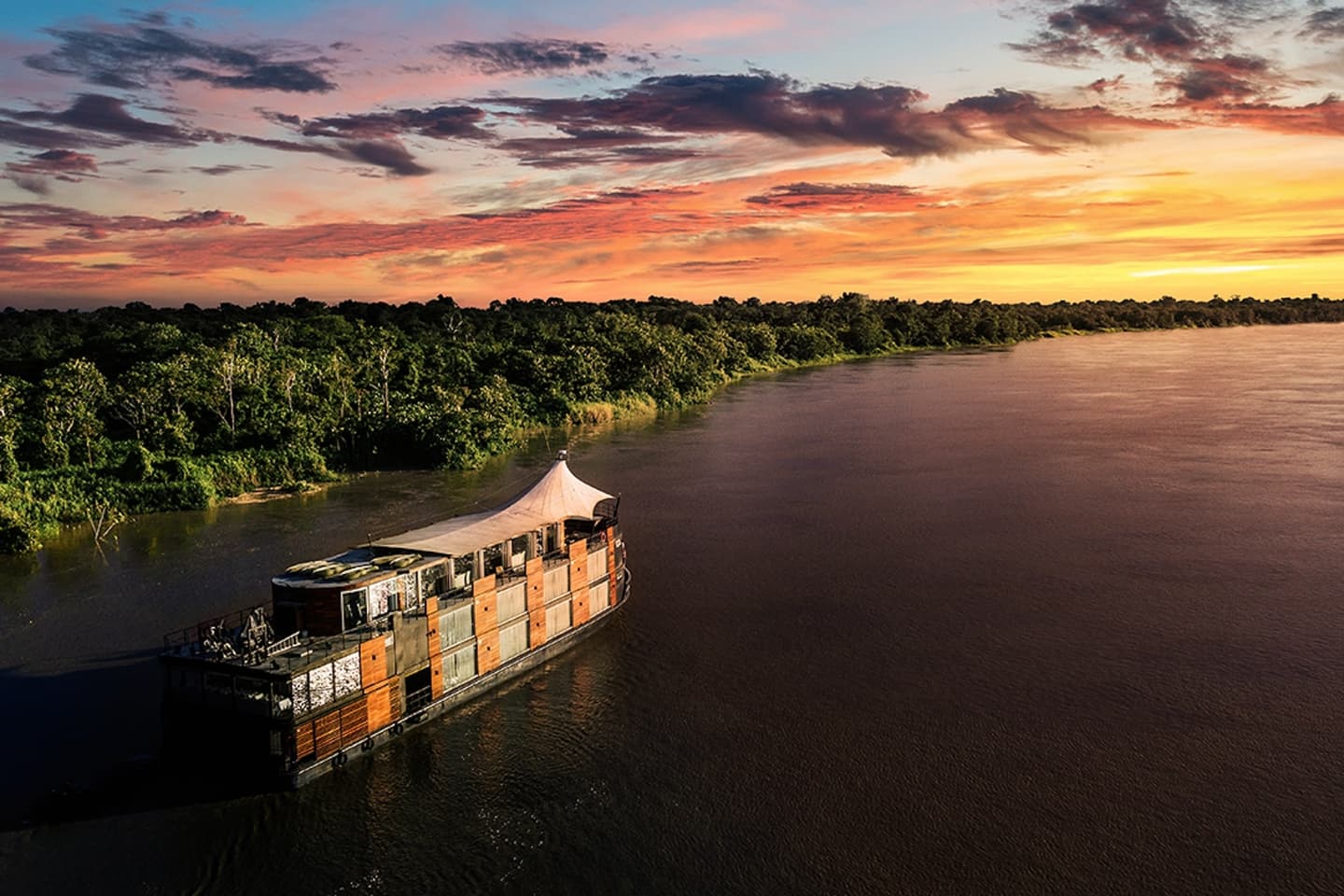
River cruises are another excellent way to see the rainforest, and the best ones all leave from the port of Nauta, near Iquitos, where the Amazon River is born at the confluence of the Ucayali and Marañón Rivers. Aqua Expeditions has two boats, the Aria Amazon, with 16 suites, and the newer Aqua Nera, with 20 suites. Both are exquisitely designed, so you can enjoy the rainforest in the comfort of your air-conditioned cabin that has floor-to-ceiling glass walls. All meals are gourmet Peruvian cuisine, served in a white tablecloth dining room with jungle views.
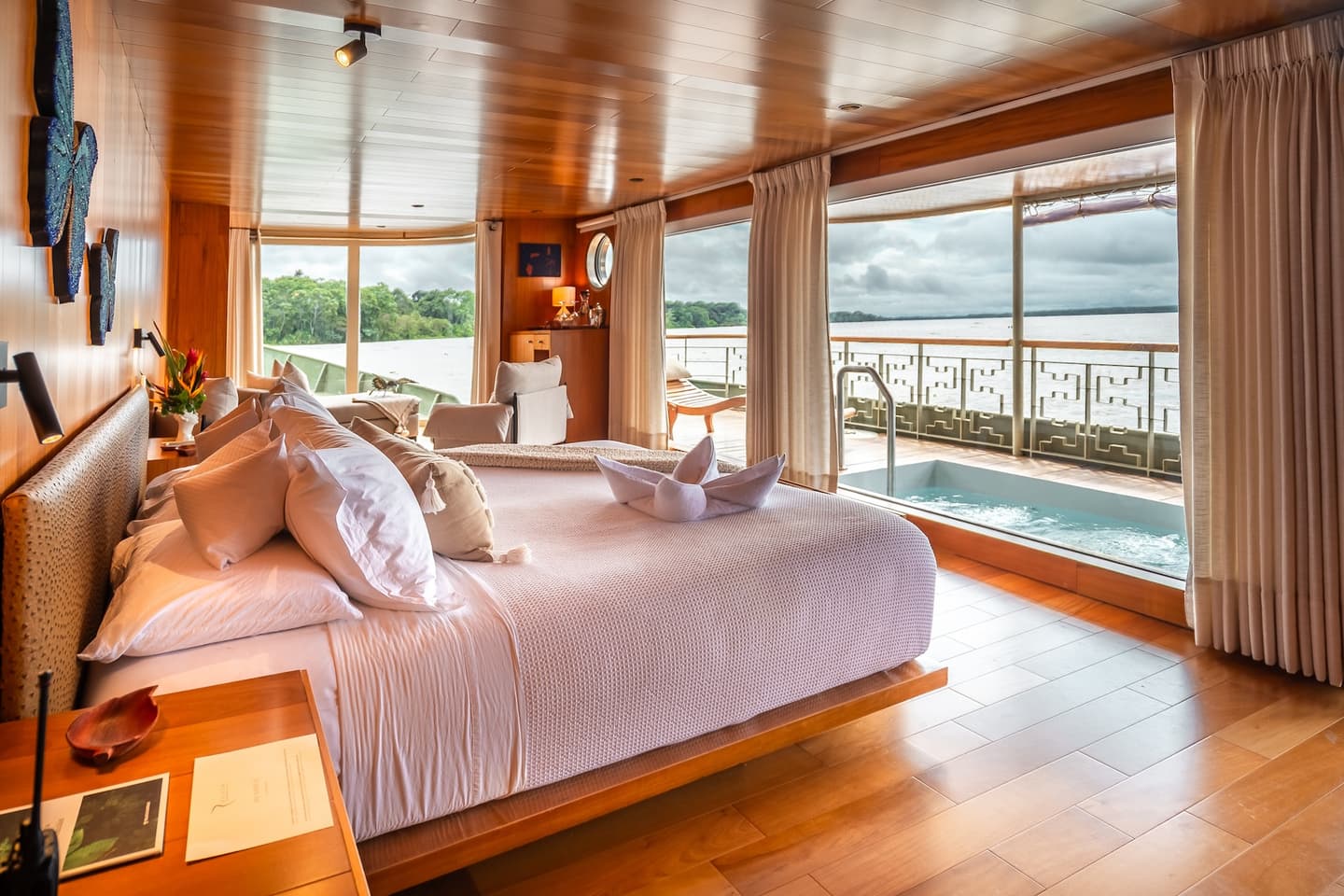
Delfín Amazon Cruises, part of the Relais & Chateaux collection, has three lovely boats, of which the Delfín I is the smallest, with only four spacious and luxurious suites. The Delfín III is the largest, with 22 suites. The small size of these boats guarantees personalized service and uncrowded lounges with drinks and snacks available any time of day. All rooms and suites have marble bathrooms, air conditioning, and floor-to-ceiling windows.
The Best Time To Go
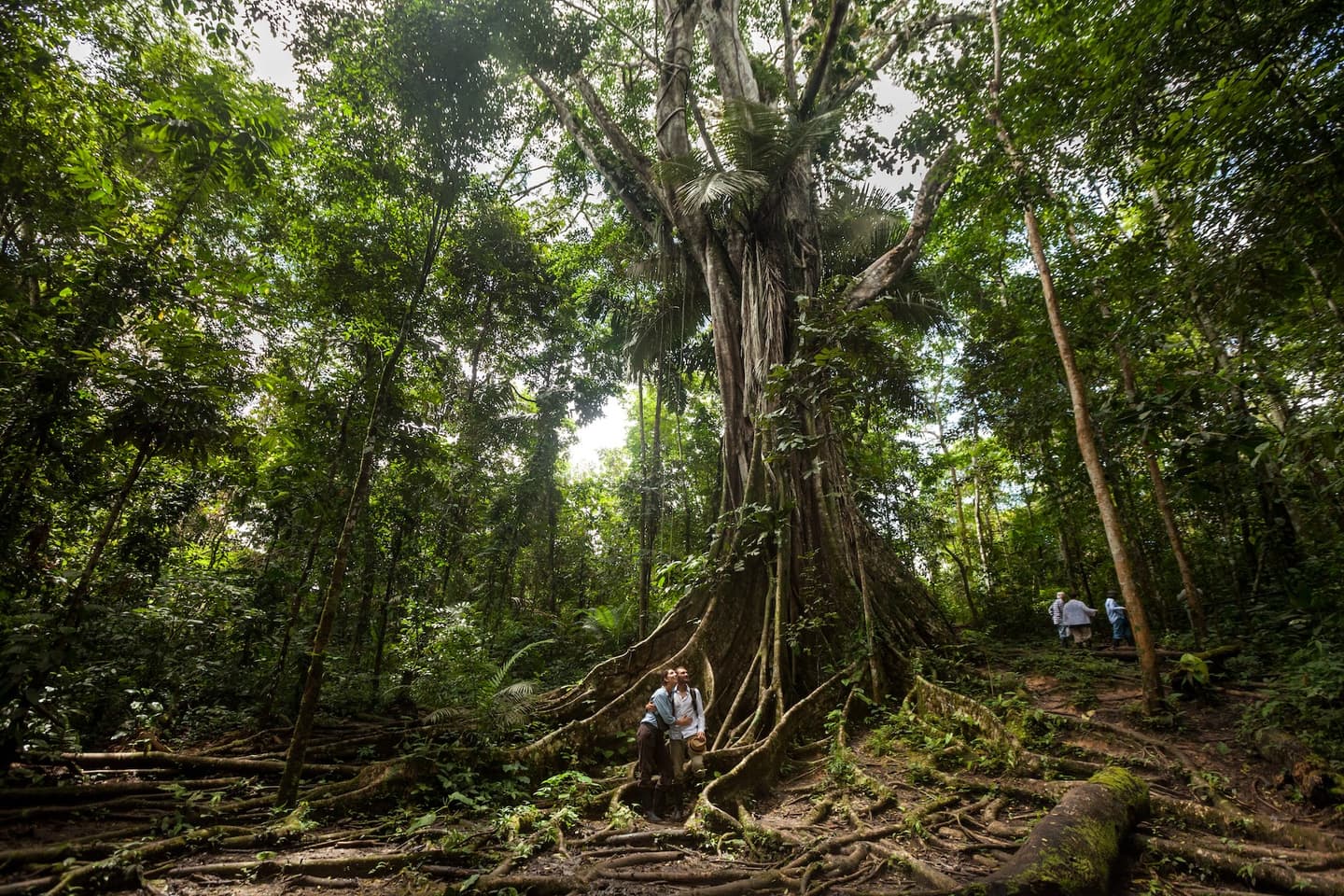
Though rain is common throughout the year in a rainforest, there is a drier season from May to October and a rainier season from November through April. May to October is best for walking through the forest, as trails will be drier. However, from November to April is best for traveling deeper into the forest on small boats, as many areas flood. Even better, during this time, mammals and reptiles such as sloths, anteaters, and anacondas that hide on the forest floor during the dry season head to the treetops when the forest is in flood and are thus easier to spot.
What to Pack
Prepare for heat and bugs. There's no denying that the rainforest breeds mosquitoes and other biting insects, so don't forget a strong insect repellent. You will also need lightweight long sleeves and pants to protect yourself from bites and stings. Lodges and cruises will lend you tall rubber boots for walking through the forest, so bring thick hiking socks to prevent blisters.
Know Before You Go
The Peruvian rainforest is home to 51 Indigenous ethnic groups and 1,786 distinct communities. All lodges operate on Indigenous land, even ones in nature preserves and national parks. When picking a lodge, check that their website tells you whose land they are on and how they work with the native communities. Almost all lodges are off the grid and have limited electricity as they use generators sparingly because of the noise and pollution. It's difficult to have enough solar panels to run a lodge without cutting down trees, so places like Treehouse Lodge have gotten creative with floating docks on the river covered with solar panels. Don't expect air conditioning or even hair dryers at eco-lodges. River boats are a different story, and most will have individual air conditioners in each cabin, plus air conditioning in the dining hall and other common areas.
How To Get There
Iquitos and Puerto Maldonado have several flights daily from Lima, with the latter also seeing regular flights from Cusco. Depending on the season, Tarapoto and Pucallpa each have two or three flights a day from Lima.
Combine With
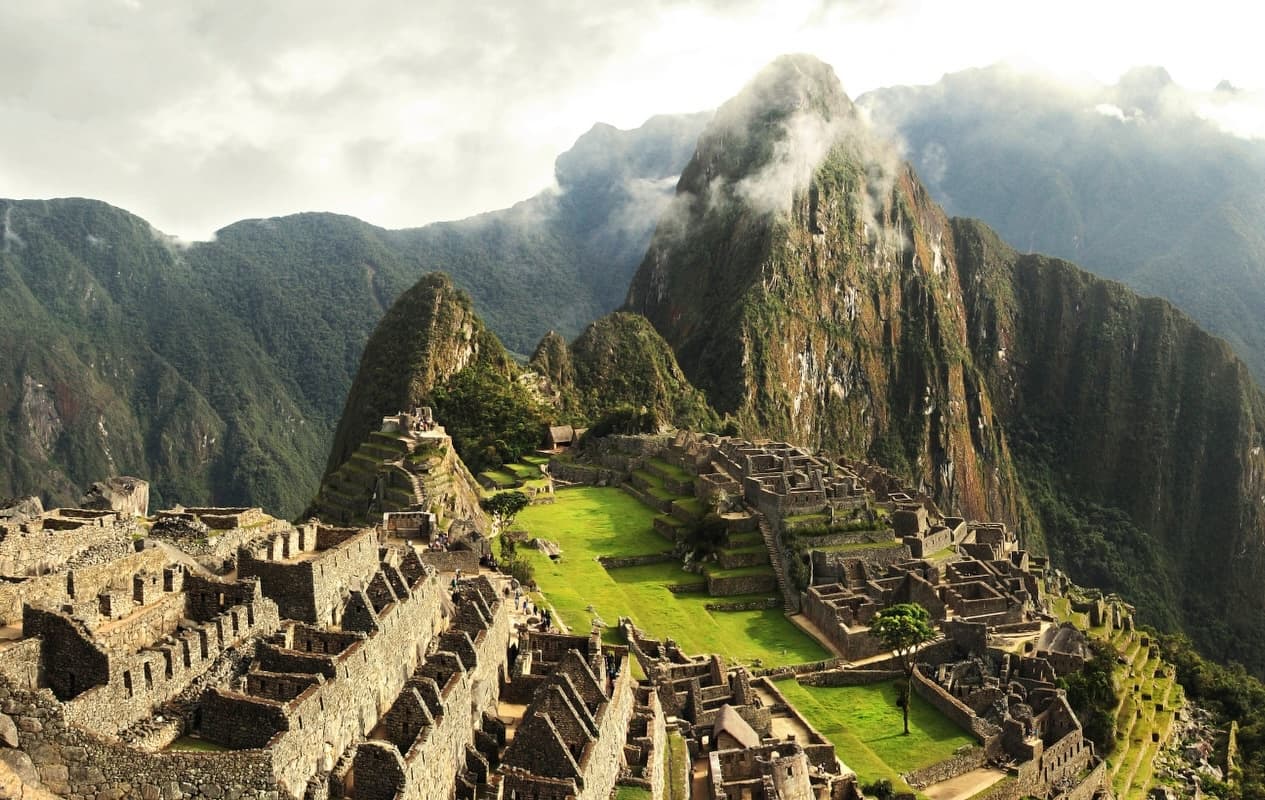
With daily flights from Cusco, get the best of the Andes and the Amazon by combining Puerto Maldonado with a visit to Machu Picchu and the Sacred Valley. Seamlessly transfer from the jungle to the mountains by booking at Inkaterra Reserva Amazonica and Inkaterra Machu Picchu Pueblo Hotel.
Start your rainforest trip in Lima, home to some of the world's best restaurants, like Maido and Central, before flying to Iquitos. Lima's top hotels, like Hotel B and the Country Club Lima Hotel, are the perfect way to set the tone for your Peru trip.
Latest Articles
The World's Best Destinations for Fall Foliage
8 Bucket List Destinations You Can Cruise to on a Budget
The Best Cruises To Celebrate America’s 250th

10 Tips for Getting the Best Cruise Deals During Wave Season
Why Booking Repositioning Cruises Is a Savvy Move — and the Best Ones To Snag This Spring