Relive "Shōgun" With A Visit to Japan's Lesser-Known "Ninja City"
Ninjas are about as synonymous with Japan and Japanese culture as sushi or anime. Everyone pictures a similar image: a man or woman covered from head-to-toe in black garb with a katana sword strapped to their back. Only their eyes can be seen.
This, however, is an artistic myth, invented by Japanese writers after the ninja heyday between the 15th and 17th centuries. In reality, they were called shinobi no mono (忍びの者 — "person who sneaks") and wore dark, navy blue shinobi shōzoku (ninja's attire) to camouflage themselves with the darkness of night. This was the simple clothing of a farmer who sometimes doubled as an espionage agent until Japan's unification under the Tokugawa Shogunate in 1603, as shown in the acclaimed and award-winning series "Shōgun."
Prior to unification, ninjas were contracted by feudal lords or military commanders to gather intelligence using their ninjutsu martial arts skills of stealth, sabotage, guerrilla warfare, and martial arts. An example might be that a daimyō or feudal lord needed intel on a rival's defenses before engaging in a military campaign: To better understand things like troop count or weak points in security, they might have hired a ninja.
How to Experience Ninja Culture
Though the ninja era has long passed, their story and culture are alive and well in the lesser-known city of Iga. Nicknamed the "Ninja City," Iga is a small city of roughly 90,000 people about two hours by train outside of Kyoto and Osaka in the Mie Prefecture. Matsuo Bashō, the credited creator of the haiku, hails from this region and is believed to have trained in ninjutsu in the mid-17th century.
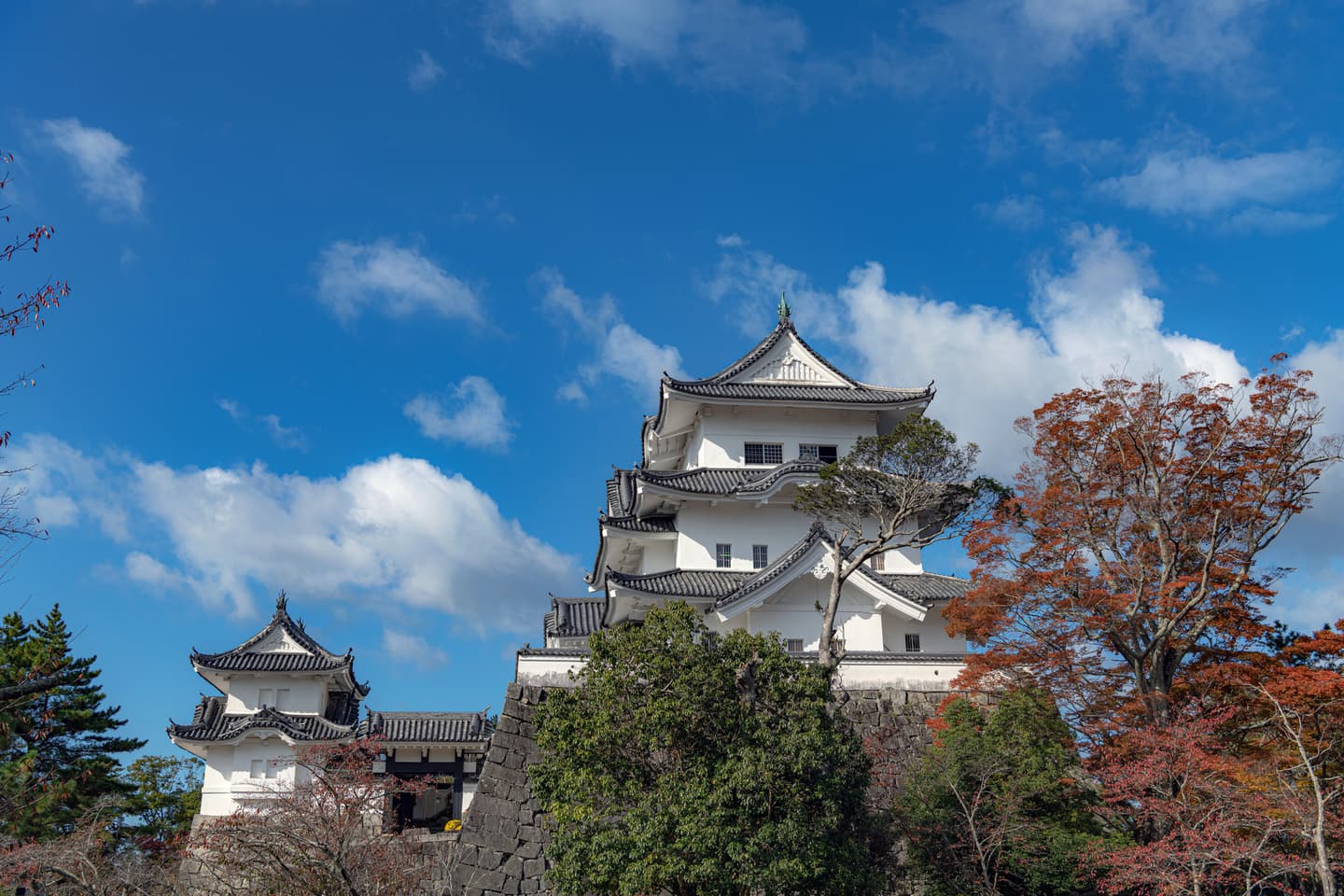
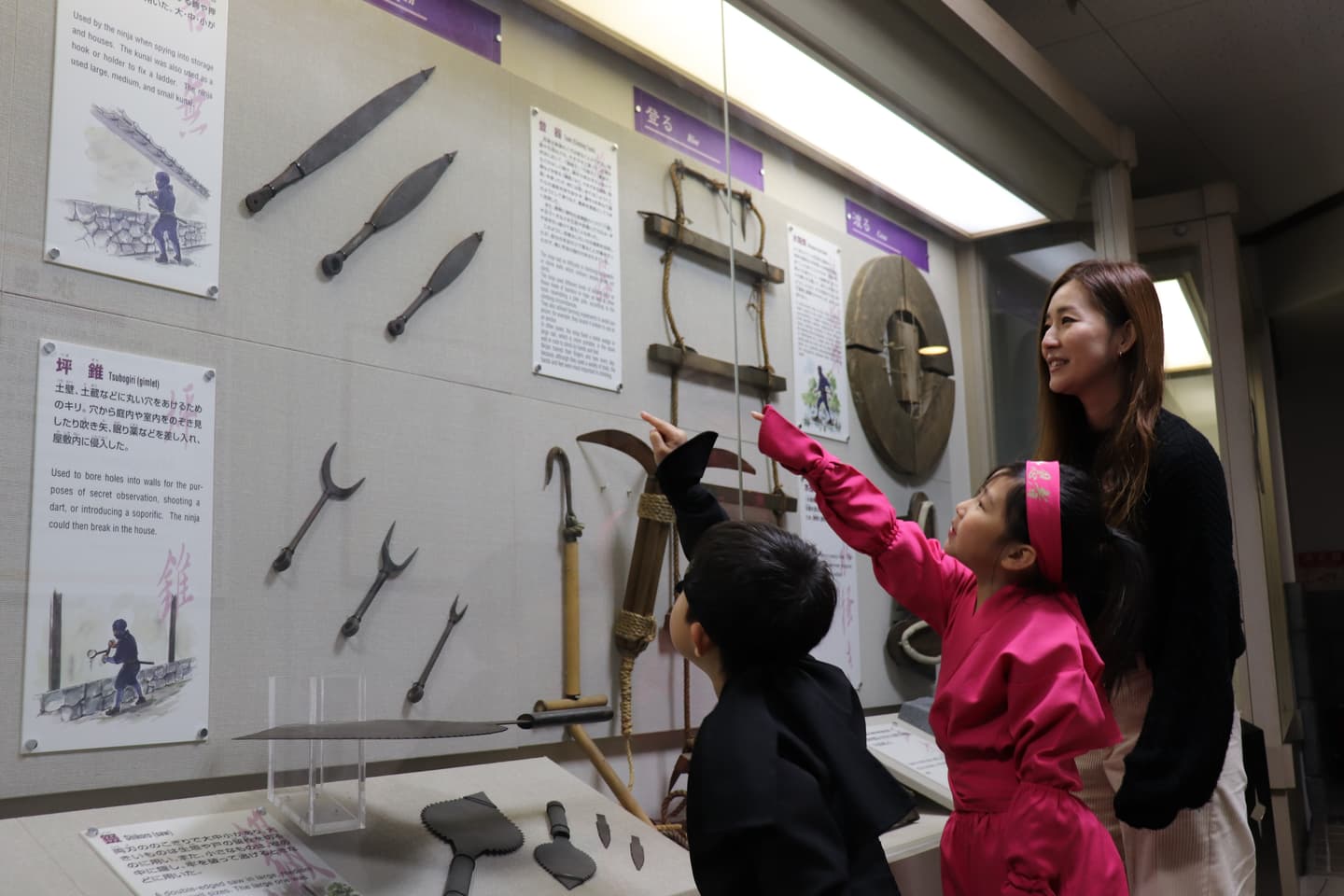
To learn more about ninjutsu, head to Iga-ryu Ninja Museum, which sits on the edge of Ueno Park — approximately 62 acres of green space in the heart of Iga. But this isn't your typical city park. The dense greenery lining narrow footpaths feels like a timewarp into feudal Japan, not least because of the castle — a dead ringer for the famous Osaka Castle usually swarmed with tourists.
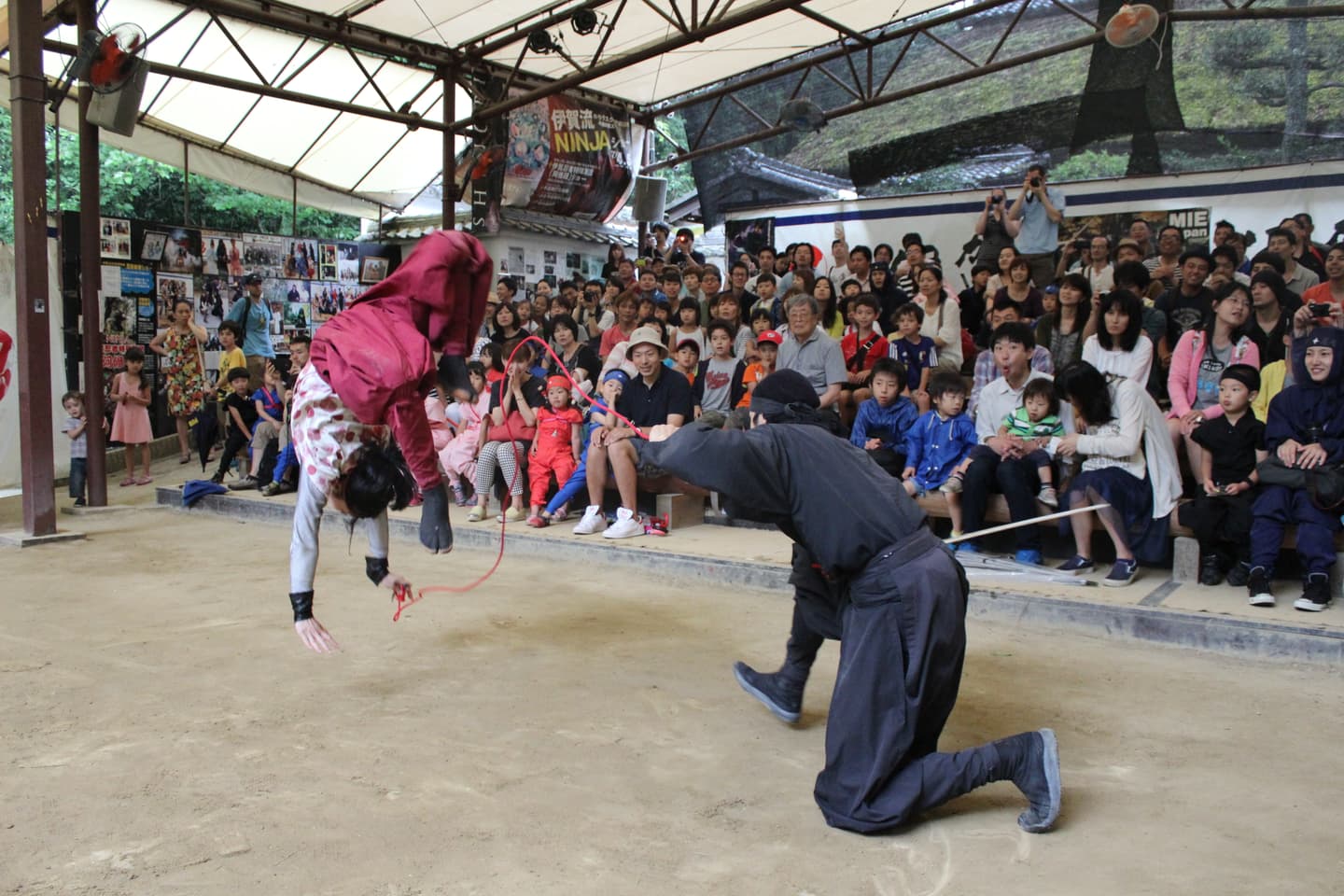
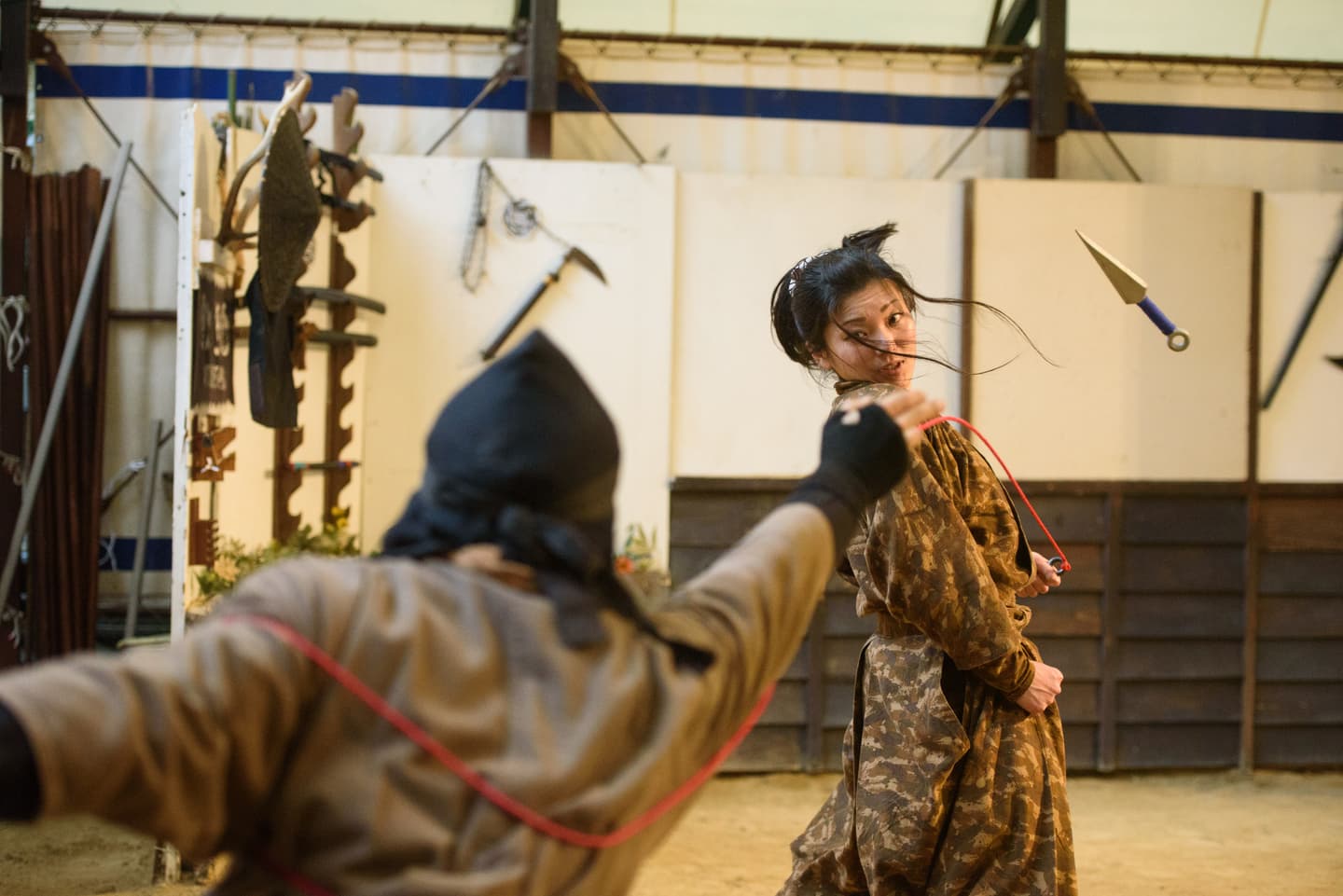
Most start their visit to the Ninja Museum with a live demonstration (in English and Japanese) of ninjutsu and legendary ninja weapons like the aforementioned katana and shuriken throwing stars used by ninjas to help protect their escape from a dicey situation. Near the "Ninja Show" stage is an Iga-ryu Ninja House. At first glance, the building looks like a simple Japanese farmhouse. But a ninja-dressed guide walks tourists through the typical ninja house, revealing the series of traps concealing weapons and fake hallways used to hide from invaders.
From the ninja house, visitors continue to the Ninja Experience Hall and Ninja Traditional Hall. These are more traditional museum rooms with glass casings protecting various ninja artifacts, such as authentic shuriken, clothing, and secret codes used by ninjas. One of the facts highlighted in the museum notes that ninjas were believed to be vegetarian. Ninjas supposedly feared that meat would make them smell bad, and therefore, easier to detect by enemies. Naturally, this is a deal-breaker when you're working in the espionage game.
The food of historical ninjas would've been simple. Most likely, rice, rice, and more rice. But at Ninkaku Shokudo, just outside of Ueno Park, you can help yourself to a 21st-century spin on ninja cuisine. You'll know you've arrived thanks to the numerous cartoon ninja figurines standing guard outside of the restaurant. It might feel a bit kitsch to a Westerner, but this kind of playfulness is common throughout Japan.
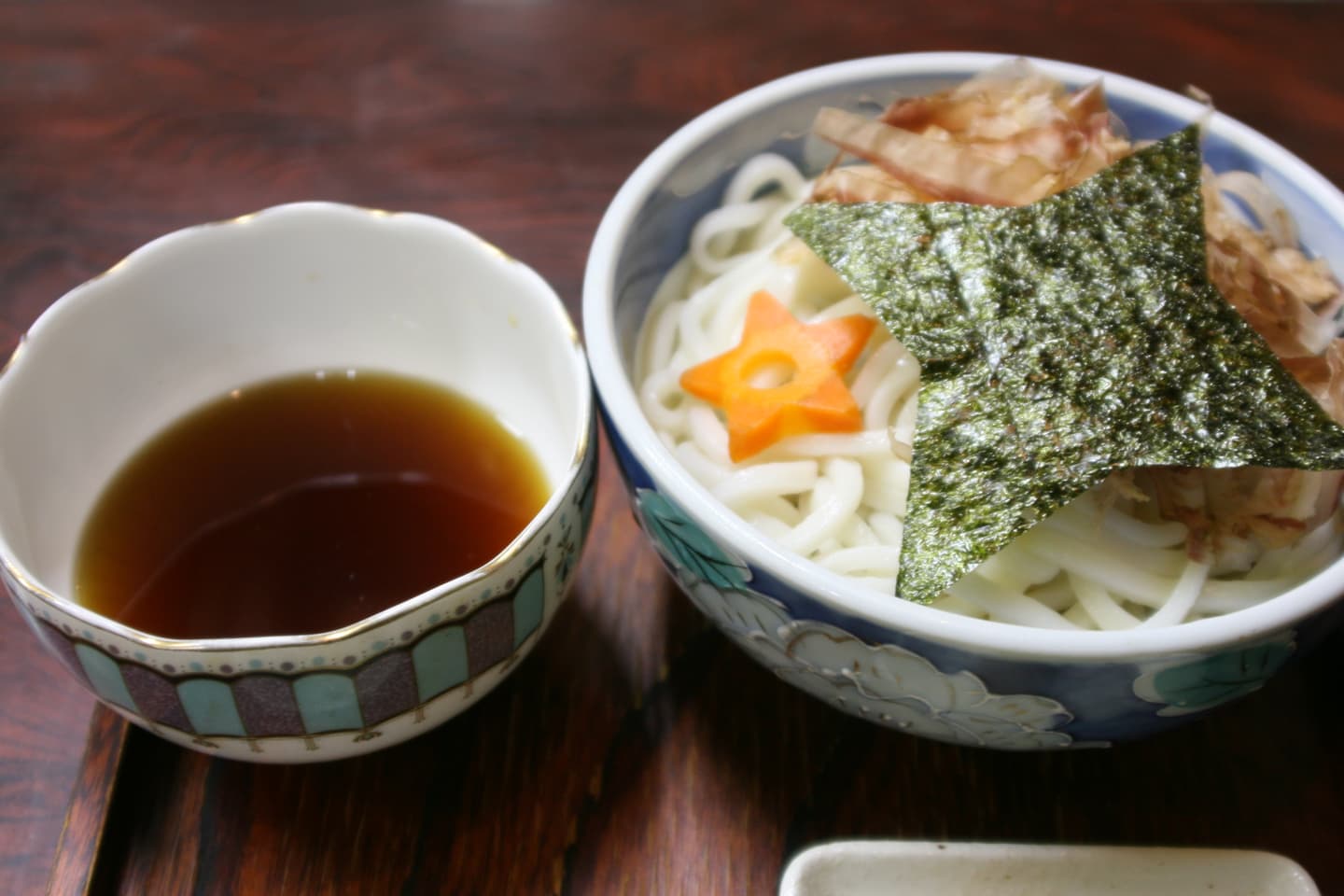
The menu takes plenty of liberties with the ninja theme, offering bowls of "ninja black" udon in black curry. But with the Ninja Dengaku Set, you can have a taste of the vegetarian essence that was the basis of the ninja diet. That includes tofu-dengaku (grilled tofu with a savory miso glaze), rice, and miso soup. Simple yet wildly satisfying.
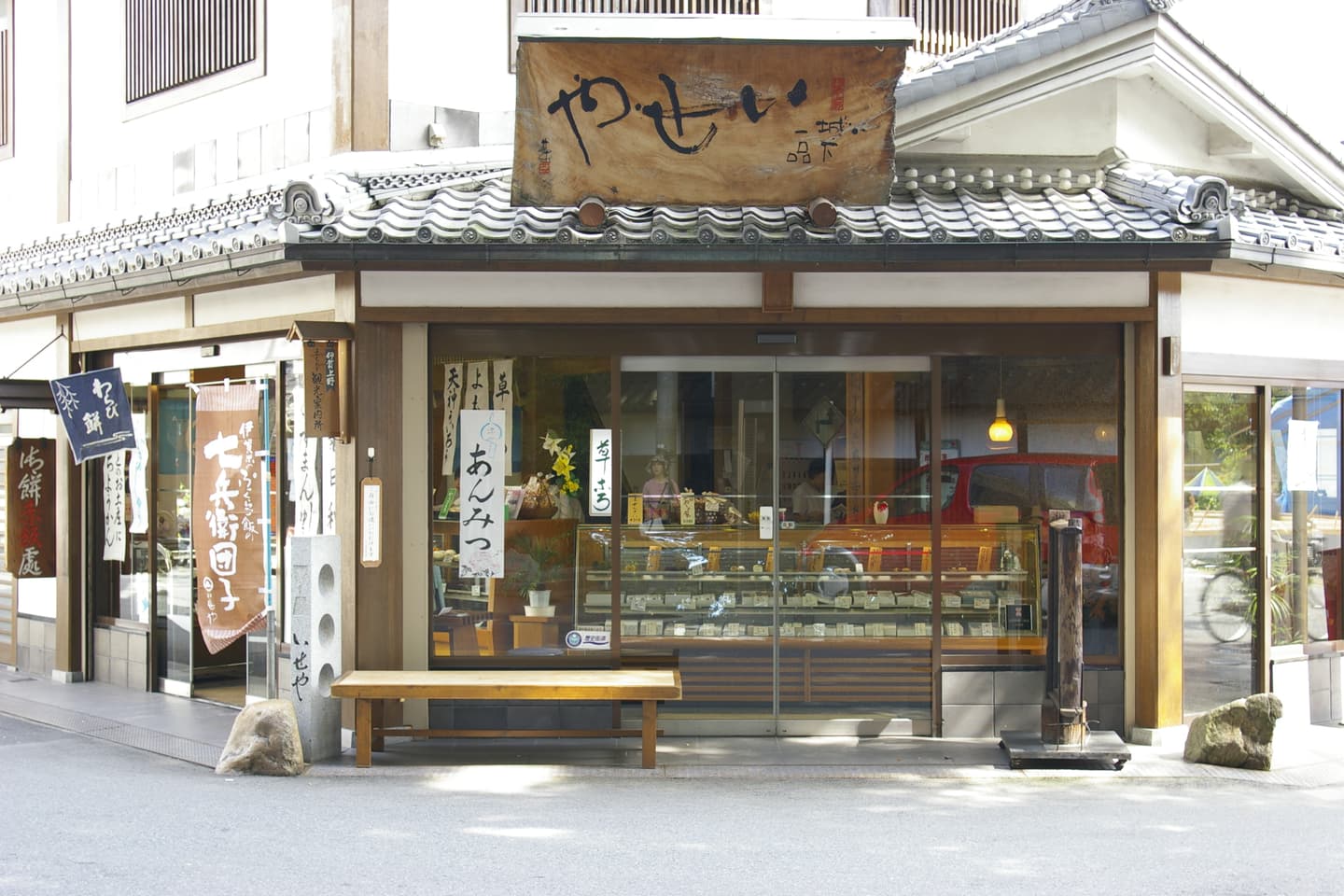
At wagashiya (Japanese sweets shops), you can find katayaki (かたやき) — hard rice crackers that often feature a ninja cartoon character on the plastic wrapping. These snacks are known as "ninja fuel" because they're incredibly durable, light, and were easy for ninjas to take on the go when they needed something to eat for their missions. You'll find them at Iseya, a local shop with over 130 years of history, which also offers them at the occasional aid station during the annual Ninja Trail Run — a popular trail race where runners dress up as ninjas and carry (plastic) katanas for a playful, mid-race fight.

The November race offers two distances, a 28-kilometer (17.3-mile) short course and a 48-kilometer (29.8-mile) ultramarathon with 2,360 meters (7,743 feet) of elevation and decline. Race director and Iga native, Hiroyuki Egawa, says the route runs through the hills and trails where historical ninjas once lived and trained. If you're looking for a mix of history and adventure, it's a great time of year (with mild fall temperatures) to envelop yourself in Japanese ninja culture. Otherwise, you can get your fix of ninja culture at the annual Iga Ueno Ninja Festival in the springtime, usually from early April until early May. Here you can experience demonstrations of ninjutsu combat techniques, like throwing stars and blowguns, in addition to a costume competition.
Other Things to Do in Iga
Ninja history and culture might be the main draw to town, but there’s more to see and do in Iga than throwing stars and secret passageways. The Fukuoka Soy Sauce Brewery is a family-run establishment that offers tours of its facility, which uses traditional methods. You'll also have the opportunity to make your own soy sauce. Visit the Iga Yaki Traditional Industry Center for a first-hand look at the region’s pottery legacy, featuring a unique style of Japanese ceramics. For a more in-depth look at one of the region’s most famous historical residents, check out the Bashō Memorial Museum close to Ueno Castle, which includes writings and artifacts from the haiku master's life.
Where to Stay
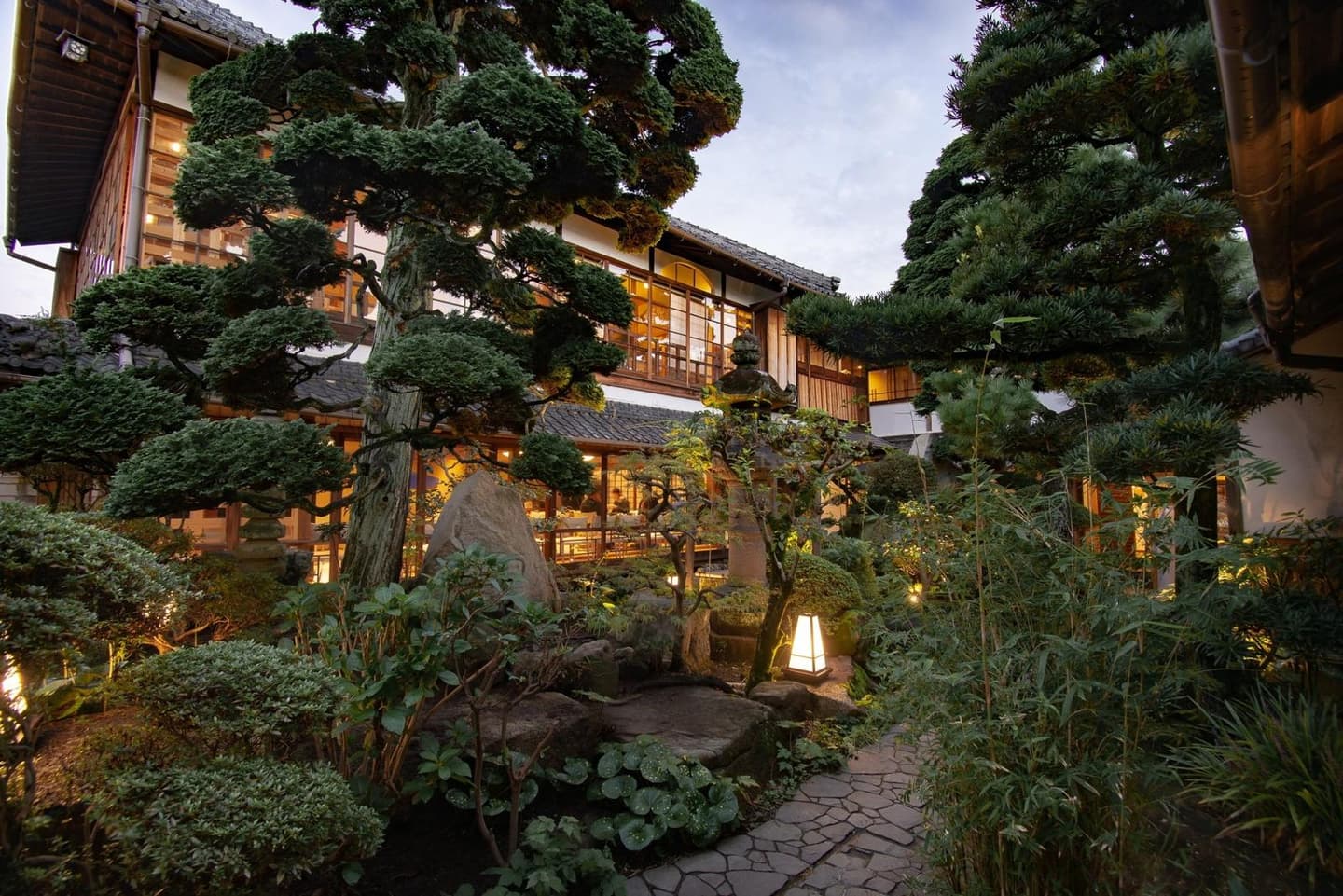
There are a few lodging options in the center of Iga, walking distance from the local train station. Nipponia Hotel is known as the upscale hotel in town offering that romantic Japanese aesthetic many Western travelers long to experience once in their lives. A noren, the traditional Japanese fabric, hangs at the entrance — a hint at the more traditional interior complete with shōji paneled room dividers and soft tatami mats.
Route Inn Grantia offers a more typical, big-block hotel experience with flat-screen TVs, air conditioning, elevators, and a buffet-style breakfast. For an affordable budget option, check out the simple Iga Ueno City Hotel.
The Best Time To Visit
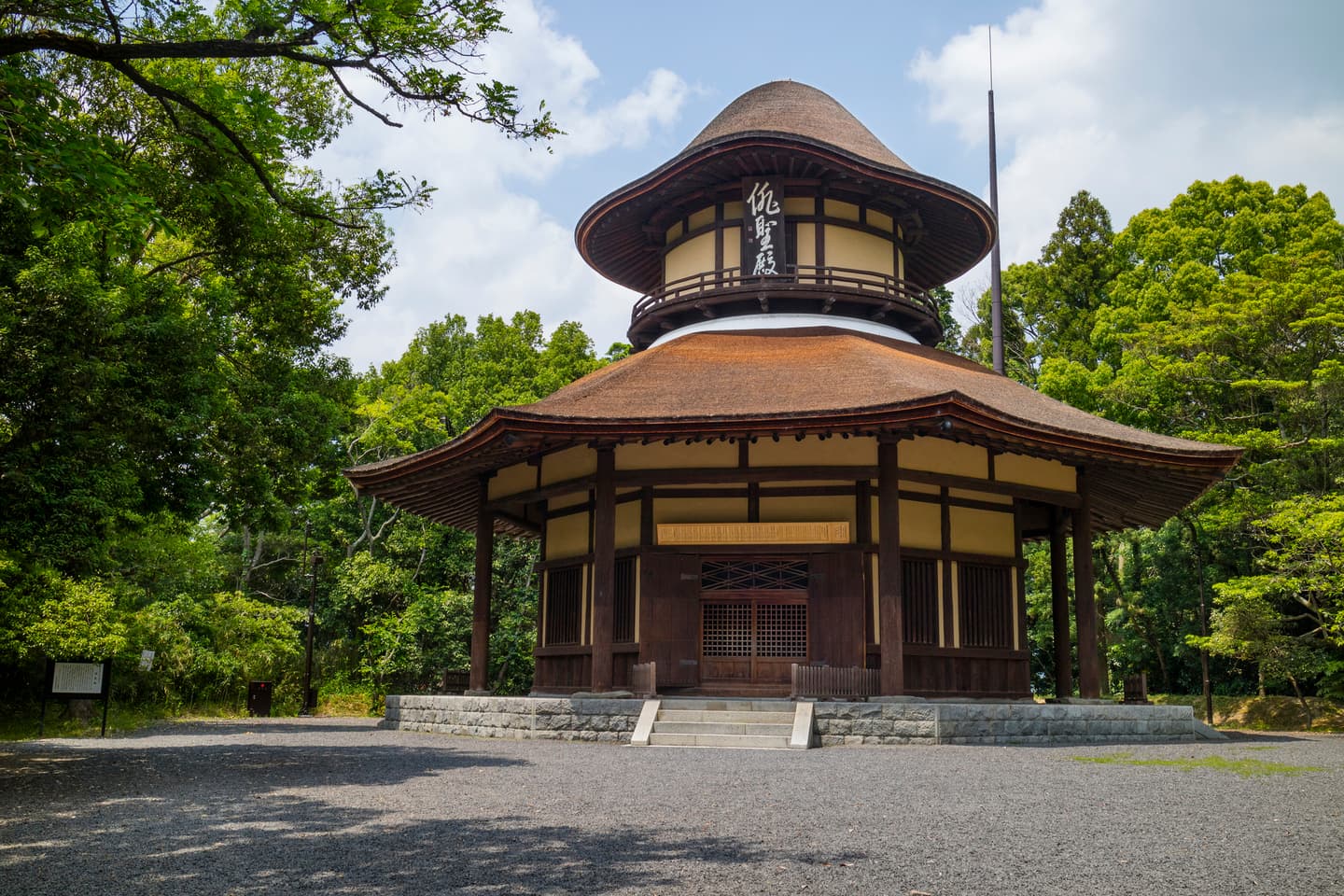
There's no bad time to visit Iga, though visiting between late March and May brings the added benefit of getting to see the cherry blossoms bloom and being able to witness the Iga Ueno Ninja Festival in April.
How To Get There
Iga is easily accessible from both Kyoto and Osaka and makes for an easy city break. From Kyoto, it's around a 2.5-hour train ride, and from Osaka, around two hours by train. Osaka's Kansai International Airport is the closest airport with service from the U.S.
Combine With
A trip to Iga can be easily paired with stays in Kyoto and/or Osaka, as well as the ancient capital of Nara, which is famous for its roaming deer and Buddhist temple of Todai-ji.
Latest Articles
The World's Best Destinations for Fall Foliage

8 Bucket List Destinations You Can Cruise to on a Budget

The Best Cruises To Celebrate America’s 250th

10 Tips for Getting the Best Cruise Deals During Wave Season

Why Booking Repositioning Cruises Is a Savvy Move — and the Best Ones To Snag This Spring