What We Love
The Experts: There's at least one naturalist (and often several) licensed with the Galapagos National Park on board your cruise to lead shore excursions, spot wildlife, present onboard talks, mingle with passengers, and answer all of your questions — he or she will be your best friend for the week.
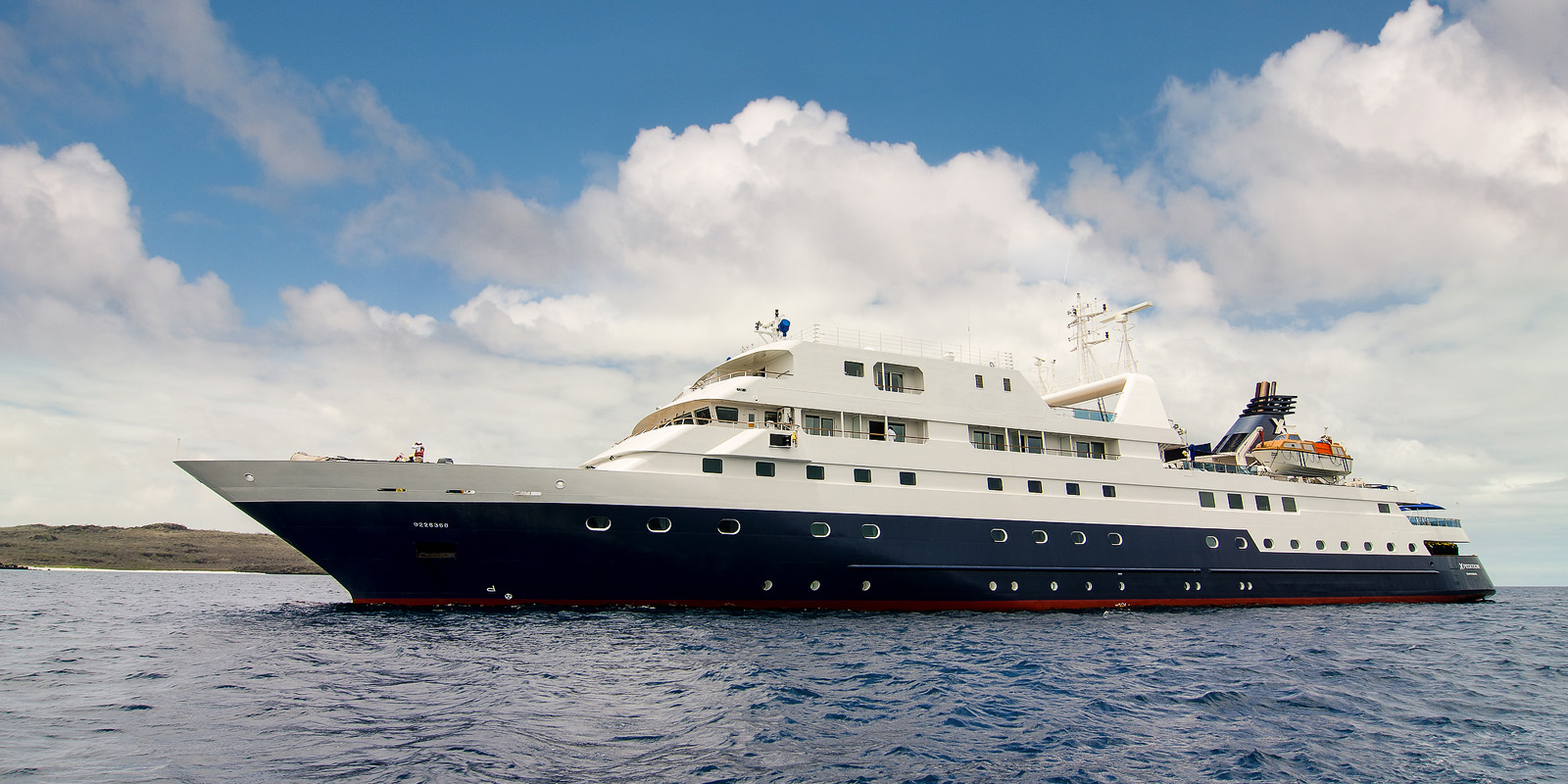
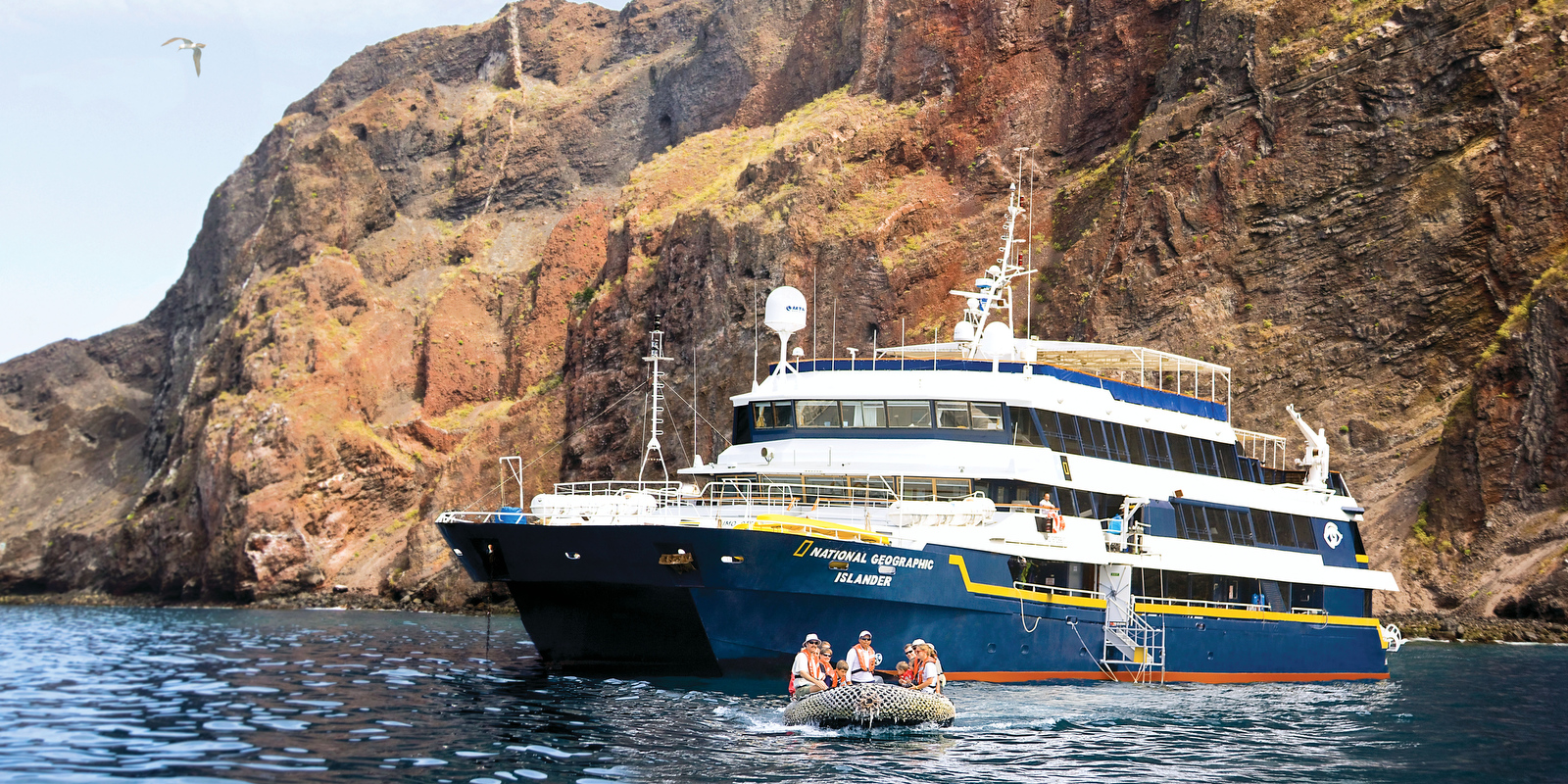
Getting in the Water: Cruise ships carry aboard motorized rafts to zip passengers to the best spots for snorkeling. One is Devil’s Crown, the remnants of a volcanic crater that pokes up through the water near the island of Floreana. It's teeming with sea life, from balloonfish to hawkfish, tiger snake eels, white-tipped sharks, wrasses, and sea turtles.
Best Known For
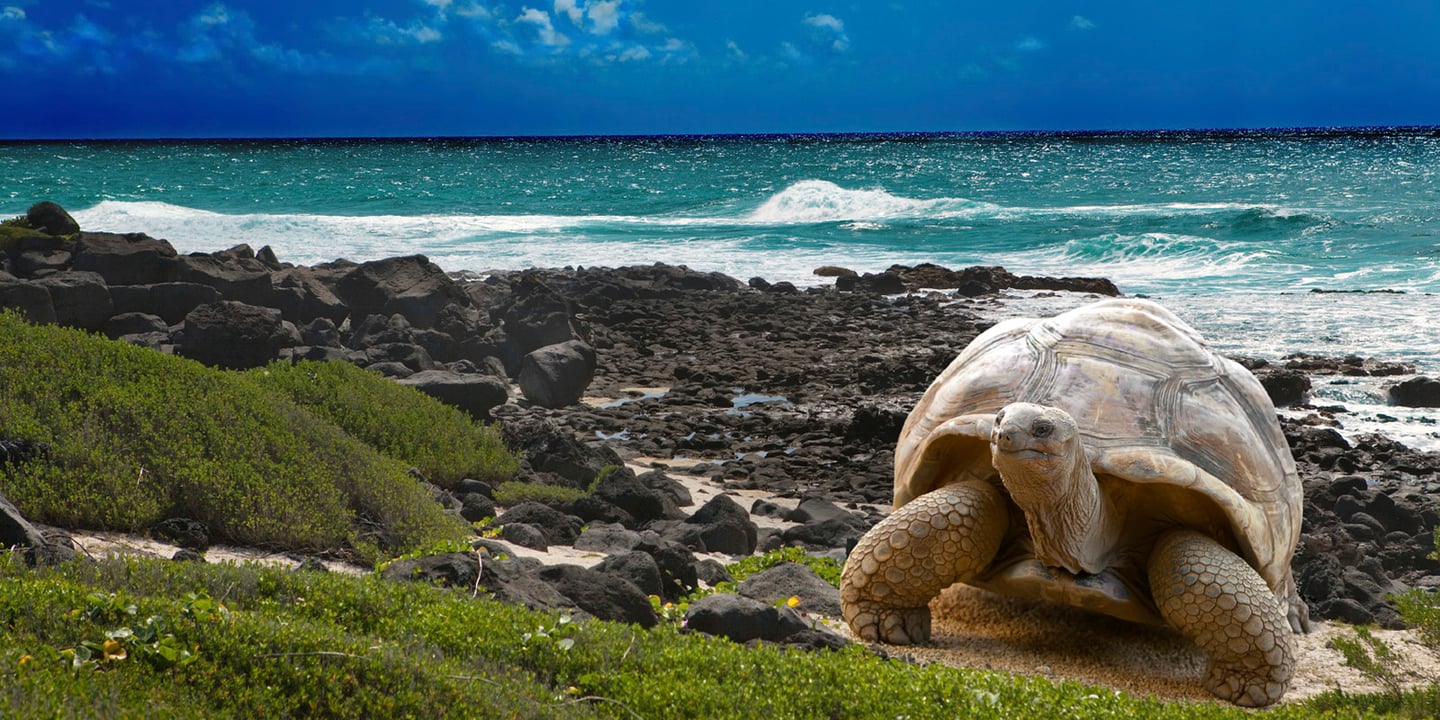
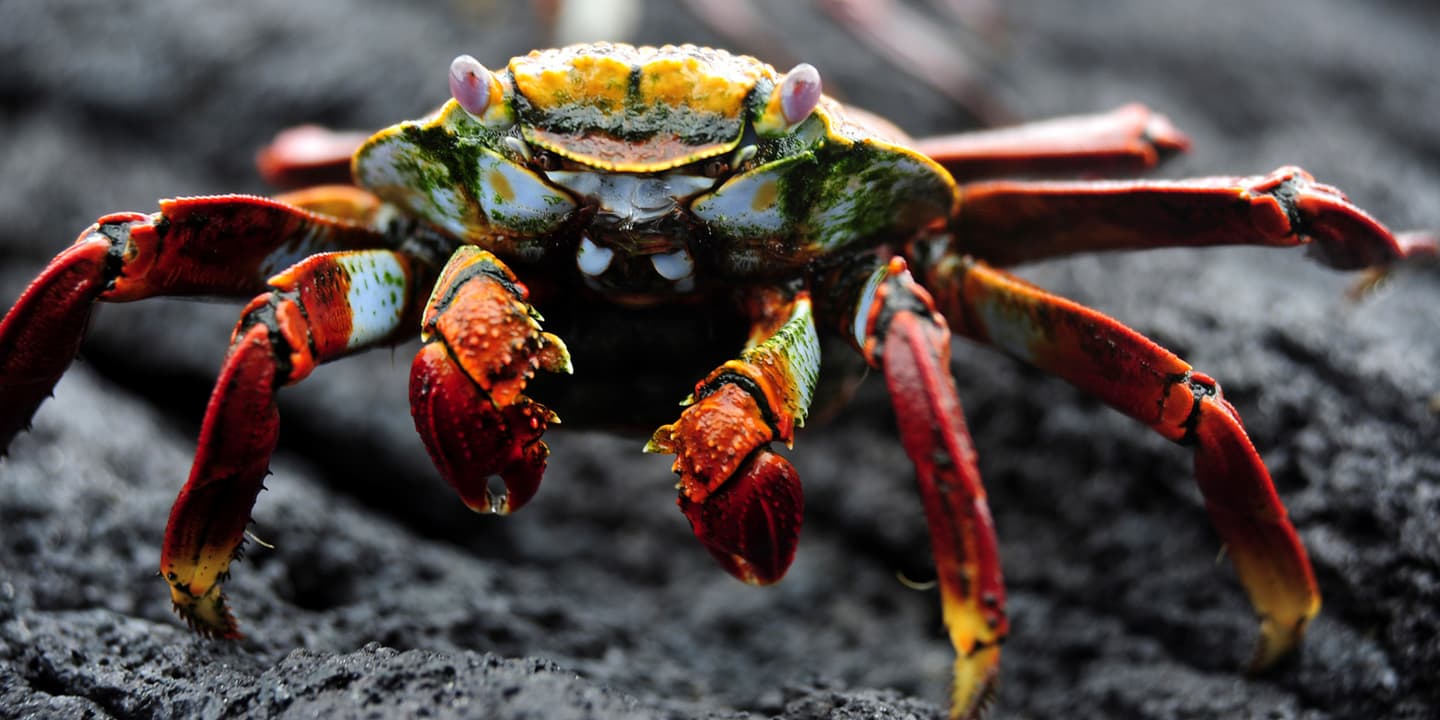
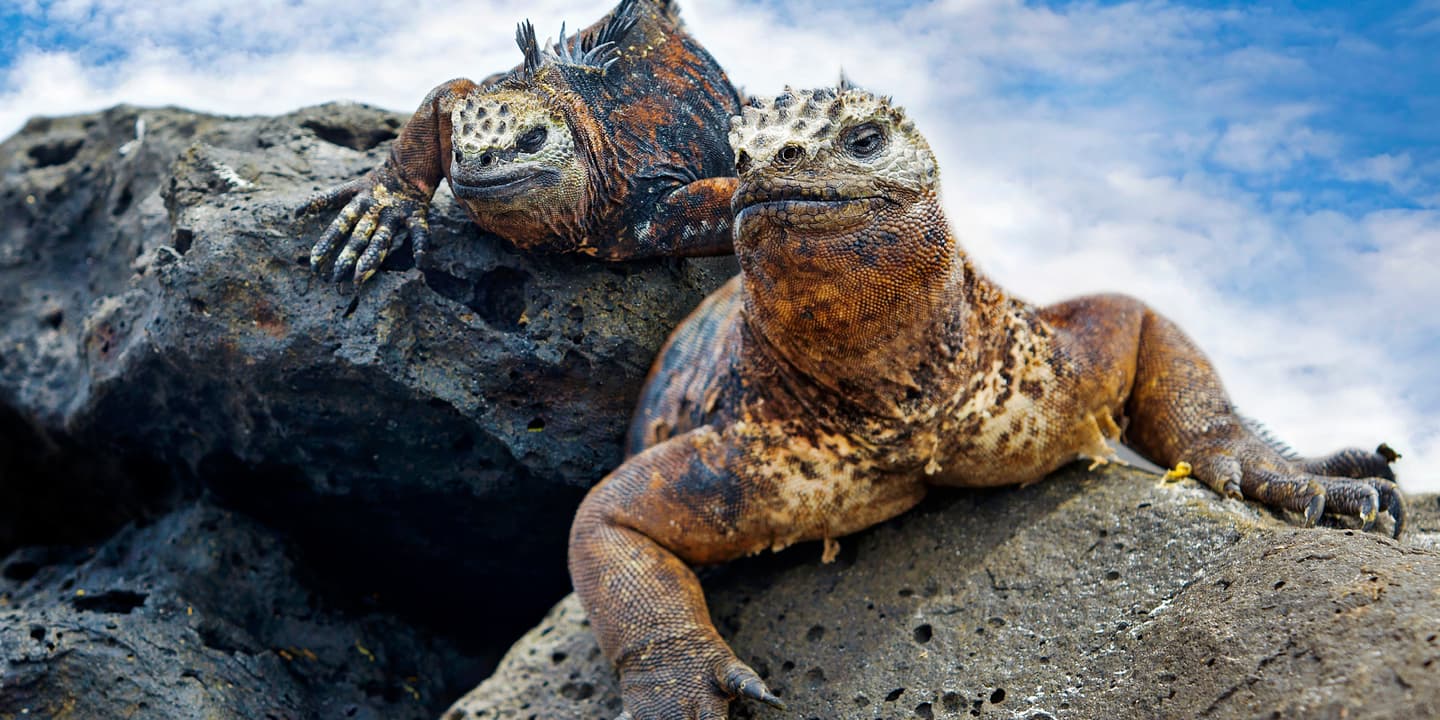
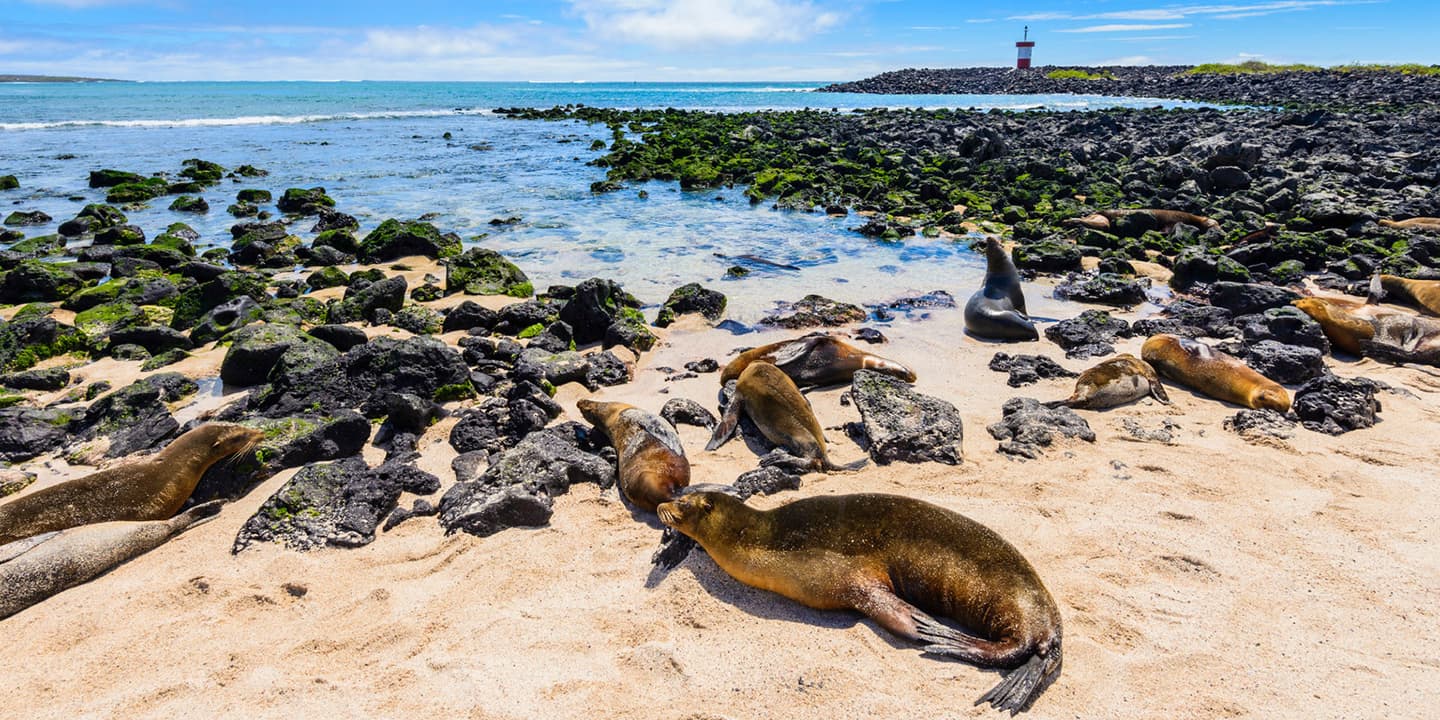
Wildlife: Animals, birds, and marine creatures are everywhere across the Galapagos Islands, and many of them are found nowhere else on earth. From the adorable sea lions you can literally lie next to on the beach to the brilliant blue-footed boobies, pink flamingos, penguins, and marine iguanas tinted pink and green.
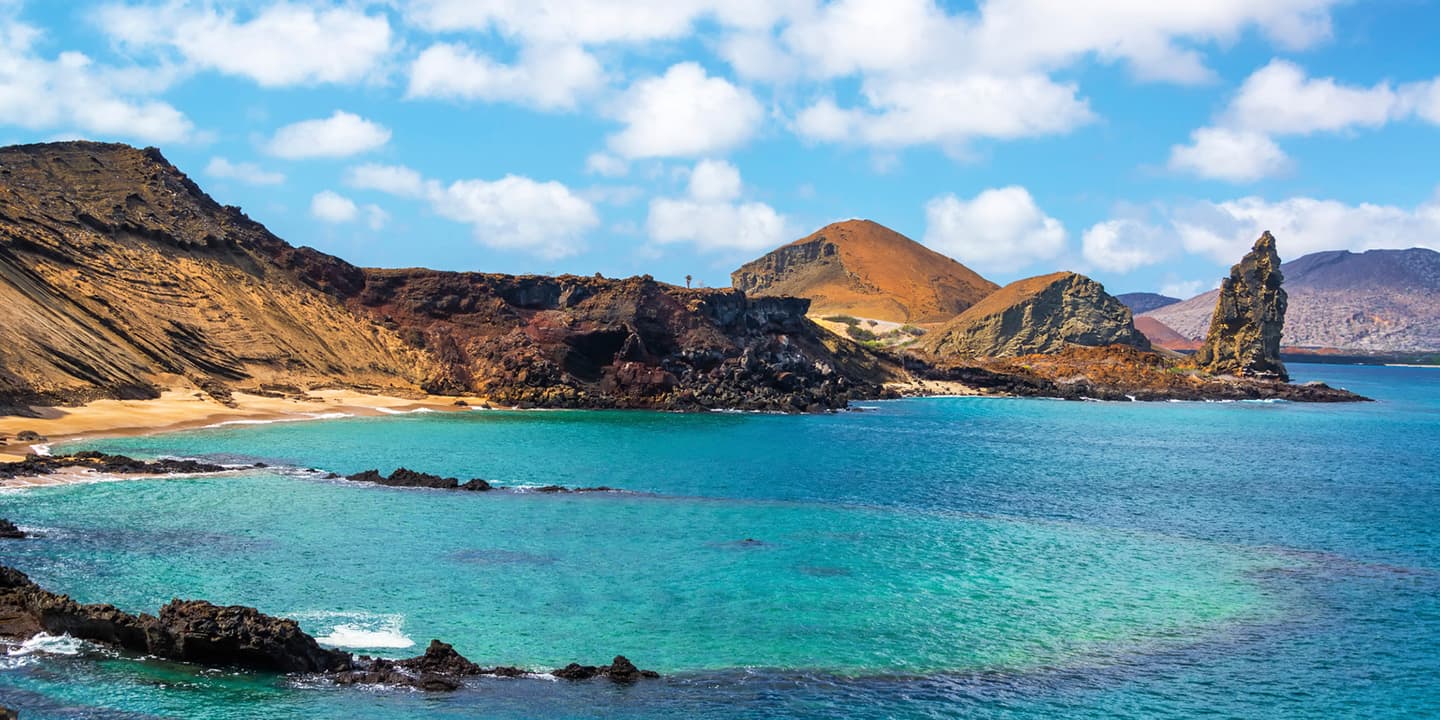
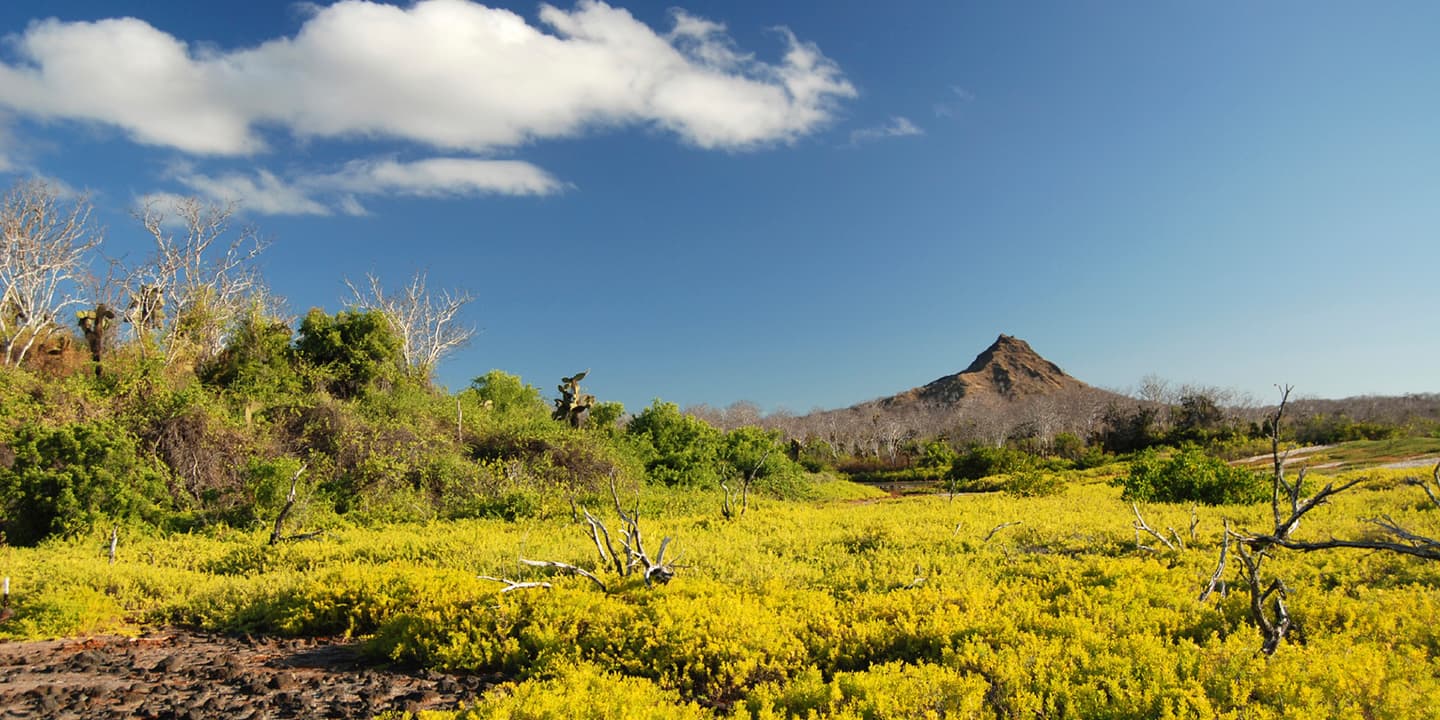
Diverse Landscape: The scenery here includes forlorn volcanic terrain, lush green hills, mangroves, and miles of beaches — both white sand and black. Offshore, it’s just as fascinating, with coral reefs, lagoons, and stunning rock formations poking up from the depths.
Best Ports
Santa Cruz: The Charles Darwin Research Station and the Fausto Llerena Tortoise Center are here, and so are beautiful natural sights, including Cerro Crocker, the highest point on the island, with amazing views.
San Cristobal: Top highlights on this island, where Darwin first went ashore in the early 19th century, include white beaches and Punta Pitt, a dramatic bluff near a sea lion colony.
Isabela: The largest of the Galapagos islands has several active volcanoes and more wild tortoises than all of the other islands combined.
Bartolome: This island is known for Pinnacle Rock, a much-photographed rock formation at the end of a beach popular for snorkeling and swimming. Chances are great you’ll see penguins, green sea turtles, spotted eagle rays, and white- and black-tipped sharks.
Don't Say We Didn't Warn You
Getting There Takes Time: It’s the trip of a lifetime, and you need to put in the time to make it worthwhile. The weeklong cruises are the minimum for really getting to see the landscapes and fauna. Factor in additional nights in Quito before and after the cruise to make flight connections and guarantee you won't miss the boat.
Be Prepared for the Weather: December through May, it’s sunny and hot (mid 80s F) and great for snorkeling, but there are daily rain showers. June through November, it rarely rains but is cooler (low 70s) and windier. You’ll feel the ship move, and it’s more challenging to snorkel and swim.