What We Love
Manaus Opera House: Built during the height of the 1890s rubber boom, the opulent Teatro Amazonas is home to the Amazonas Philharmonic, an annual opera festival, and many other performing arts events.
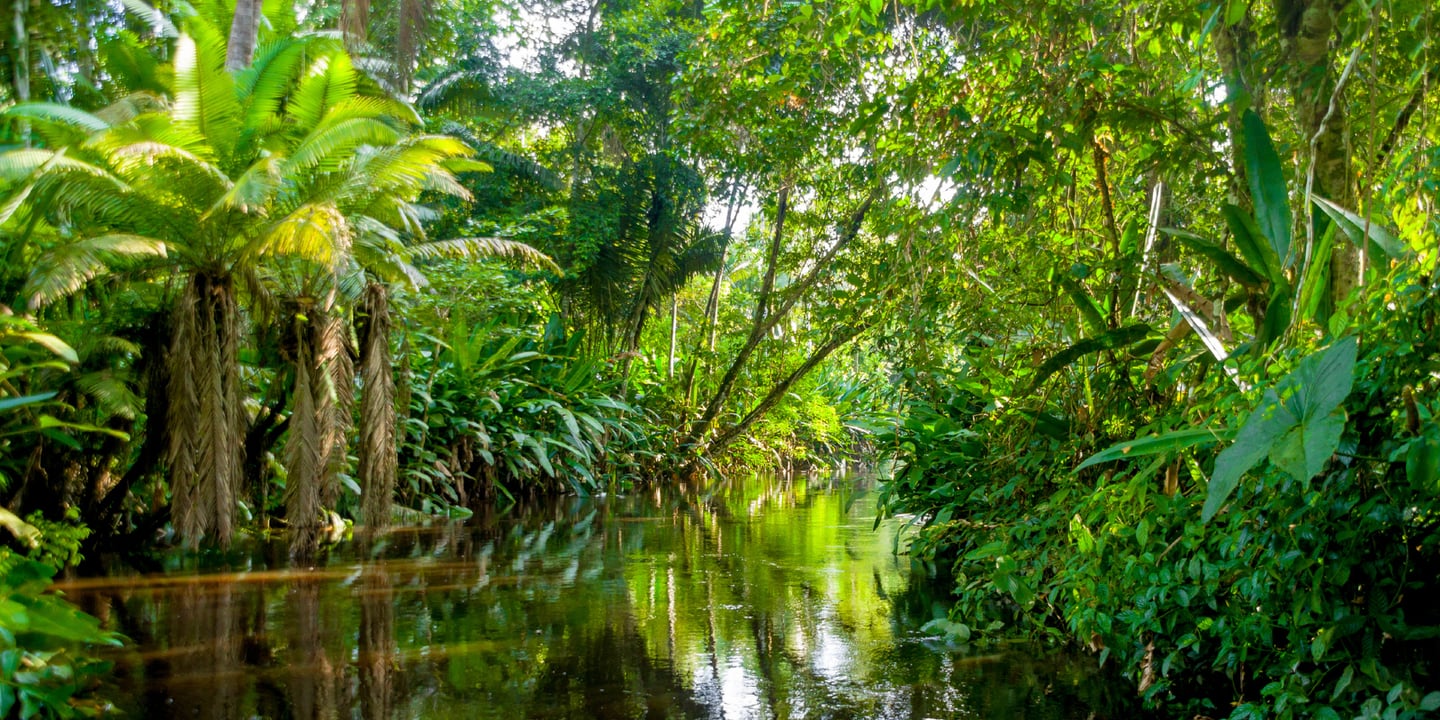
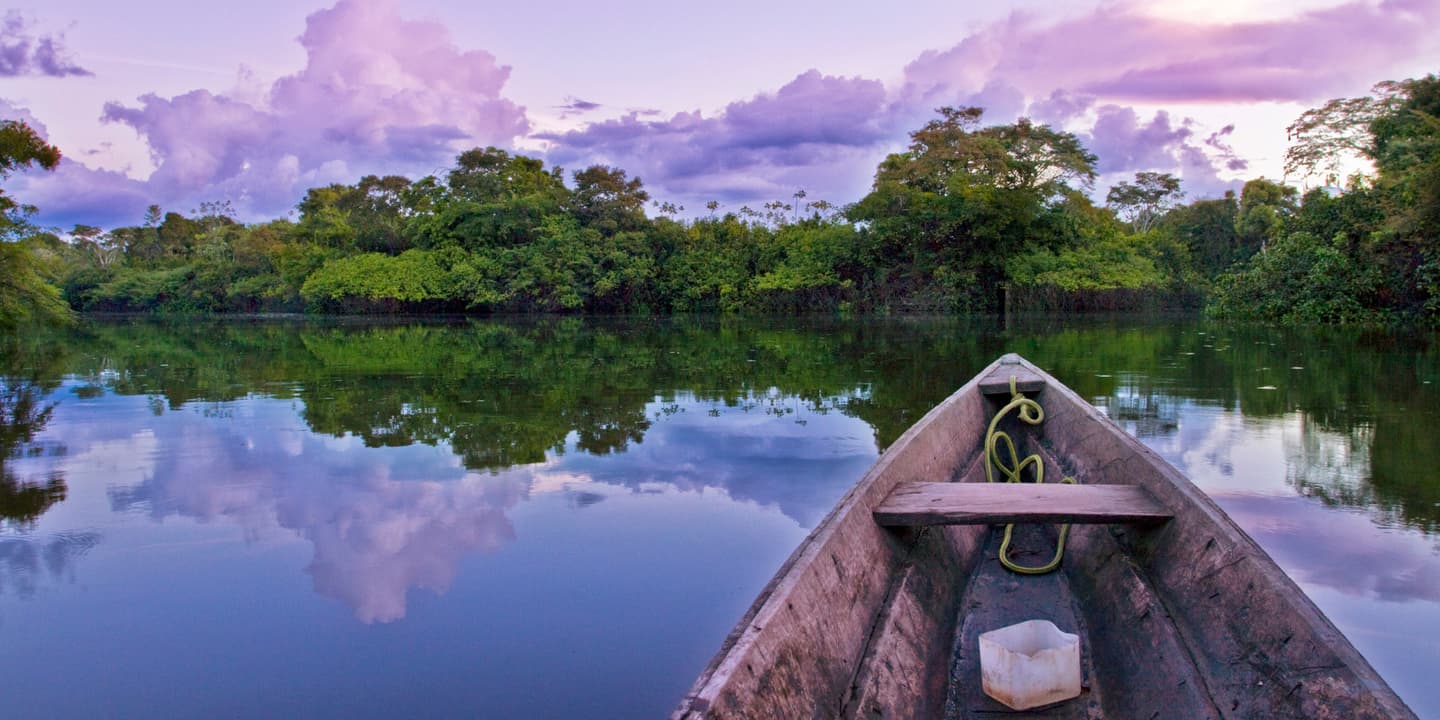
Pacaya-Samiria National Reserve: South of Iquitos, this huge Peruvian nature park is one of the best places in the Amazon Basin for wildlife. Flooded for much of the year, the park is also called the "Mirrored Forest."
Best Known For
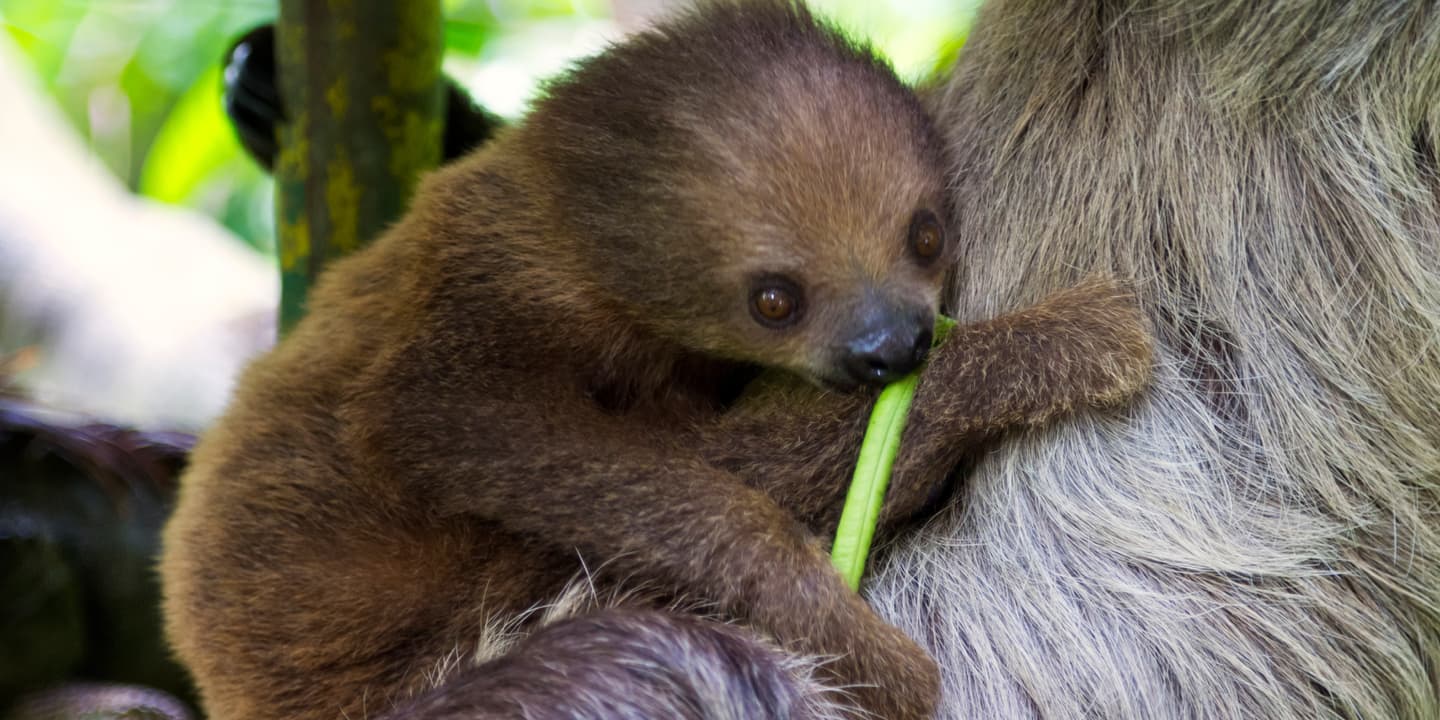
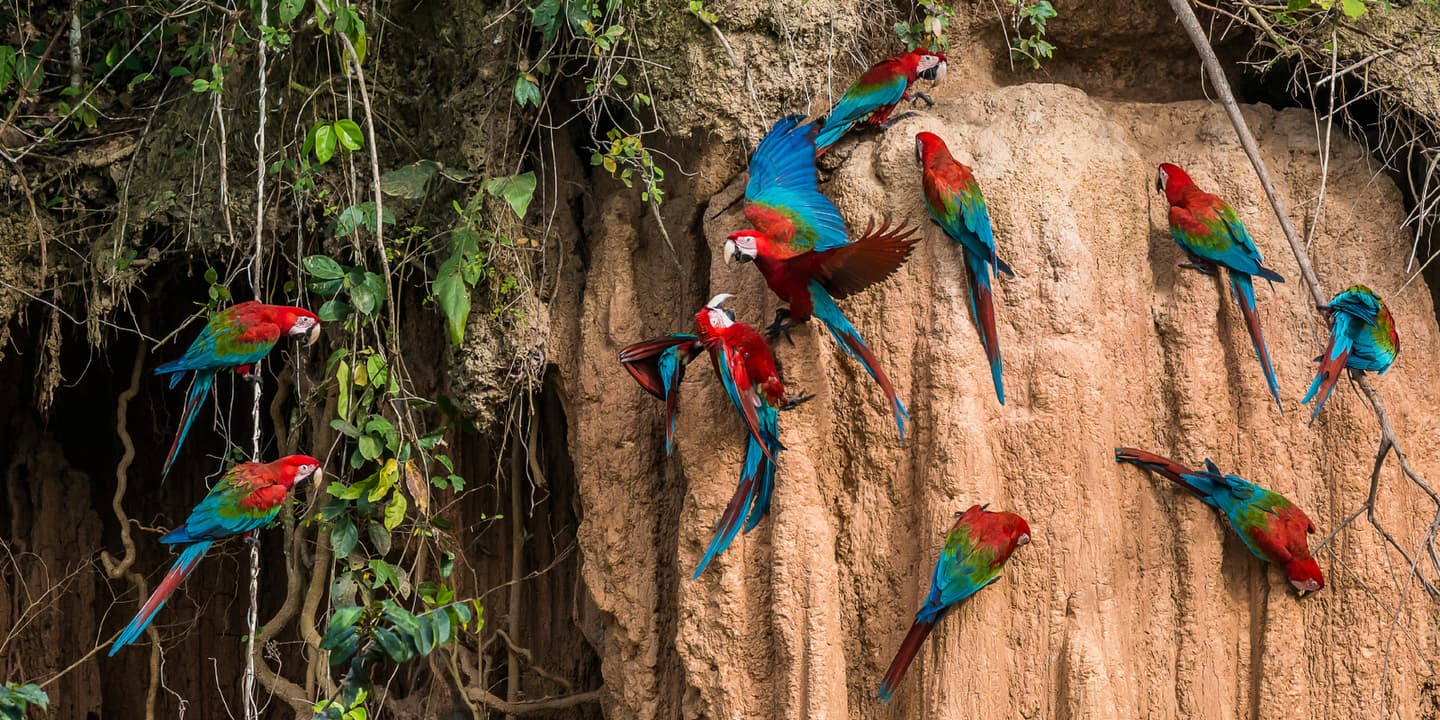
Wildlife: The main reason nearly everyone ventures up the Amazon is for a chance to see monkeys, jaguars, anacondas, piranhas, macaws, and all those other iconic Amazon creatures in the wild.
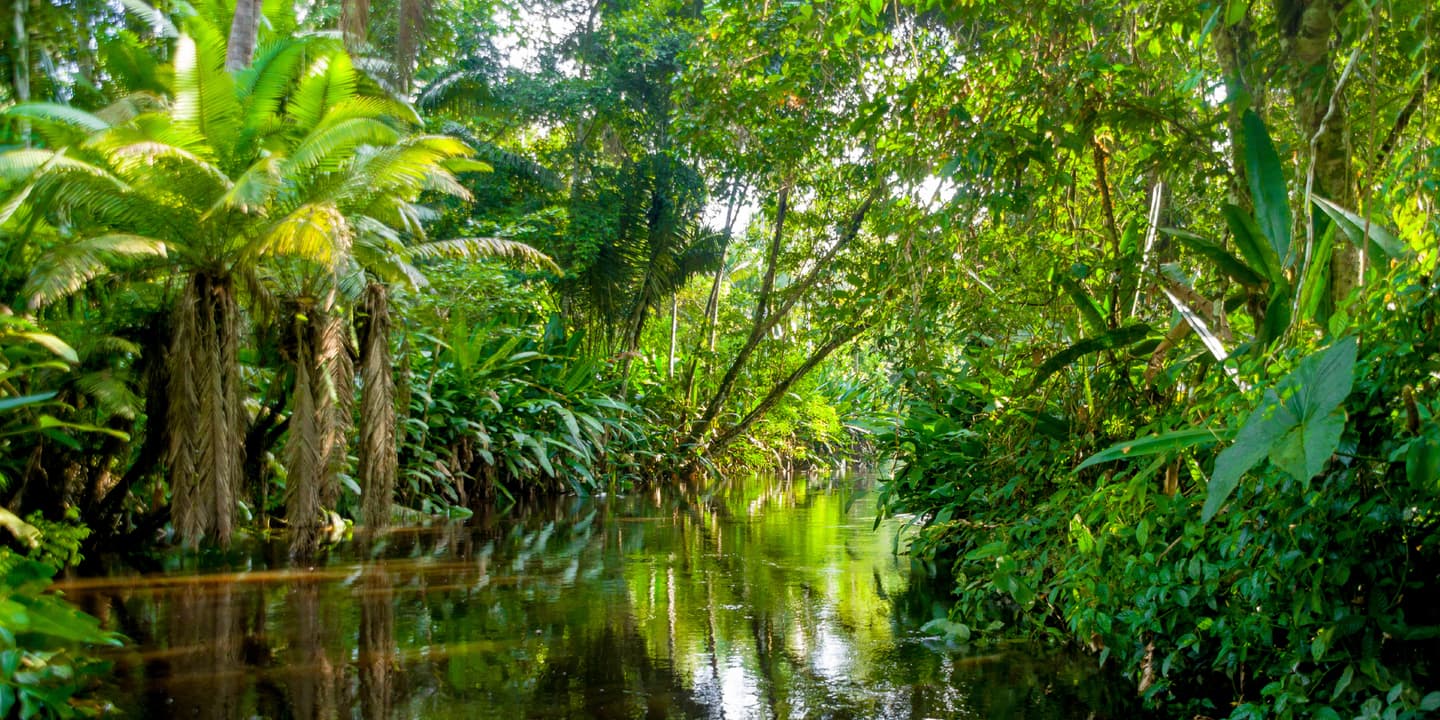
Rain Forest: Though it continues to decrease at an alarming rate, the Amazon rain forest is still vast. The basin and its vegetation produce around 20 percent of the planet's oxygen. And the biodiversity is mind-blowing — as many as 117 tree species have been counted in a single half square mile.
Best Ports
Manaus: Besides its famous opera house, the Brazilian metropolis also claims the excellent Museu da Amazonia (MUSA), the best nightlife along the entire length of the river, and a geographical oddity called the "Encontro das Águas," where the dark water of the Rio Negro flows into the brownish water of the Amazon.
Iquitos: This little river city, the main staging ground for cruises in the Peruvian Amazon, features a manatee rescue center, a lively festival calendar, and a historic riverboat museum.
Macapá: Located near the place where the Amazon flows into the Atlantic, Macapá feels more like a traditional Brazilian coastal city than do other ports along the river. Its main claim to fame is a passive Portuguese bastion called the Fortaleza de São José. Atlantic beaches are also close at hand.
Don't Say We Didn't Warn You
It's Not the Serengeti: Dense vegetation often makes it impossible to see (and photograph) animals adapted to camouflage themselves from predators. A keen eye and patience are mandatory.