
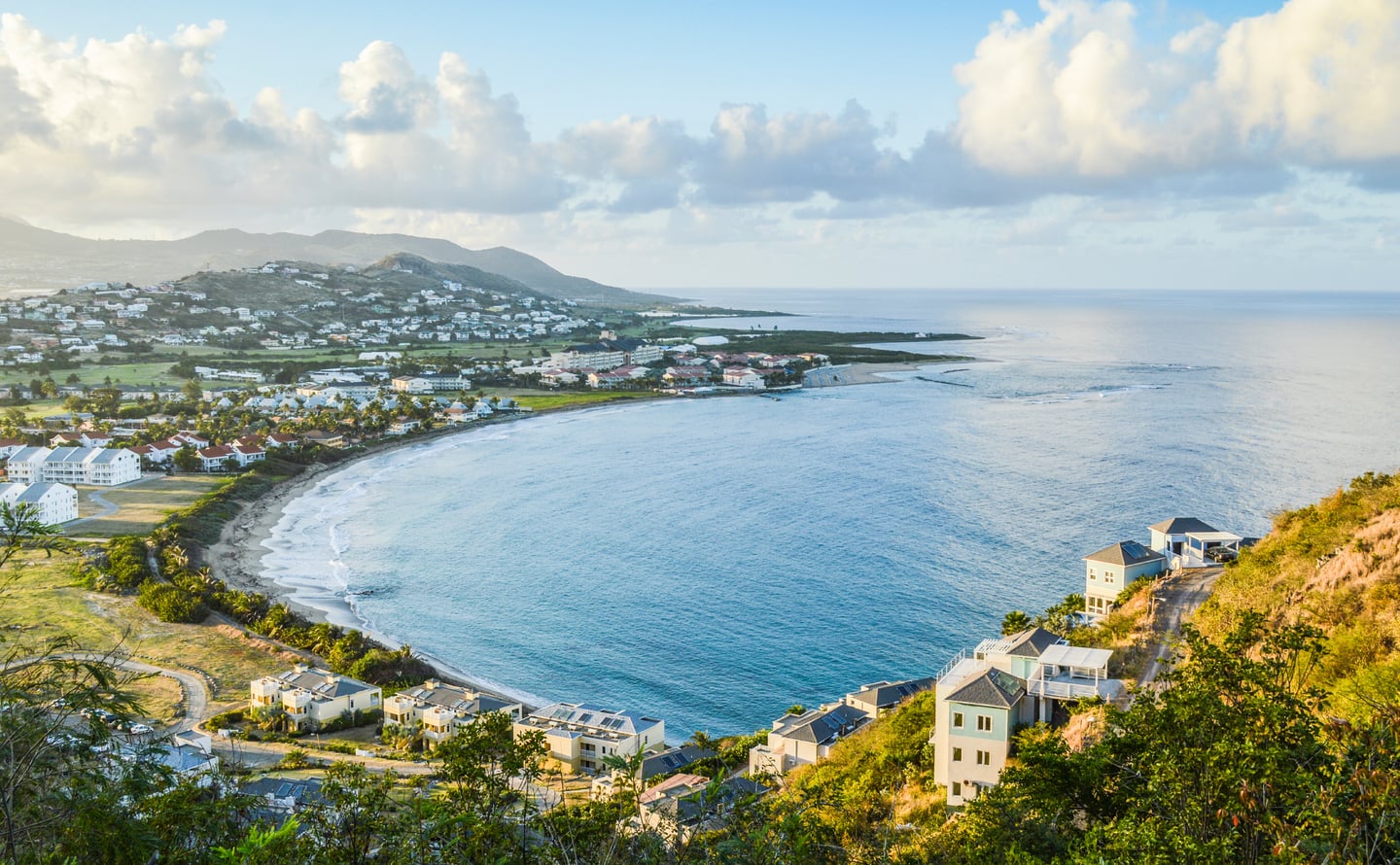
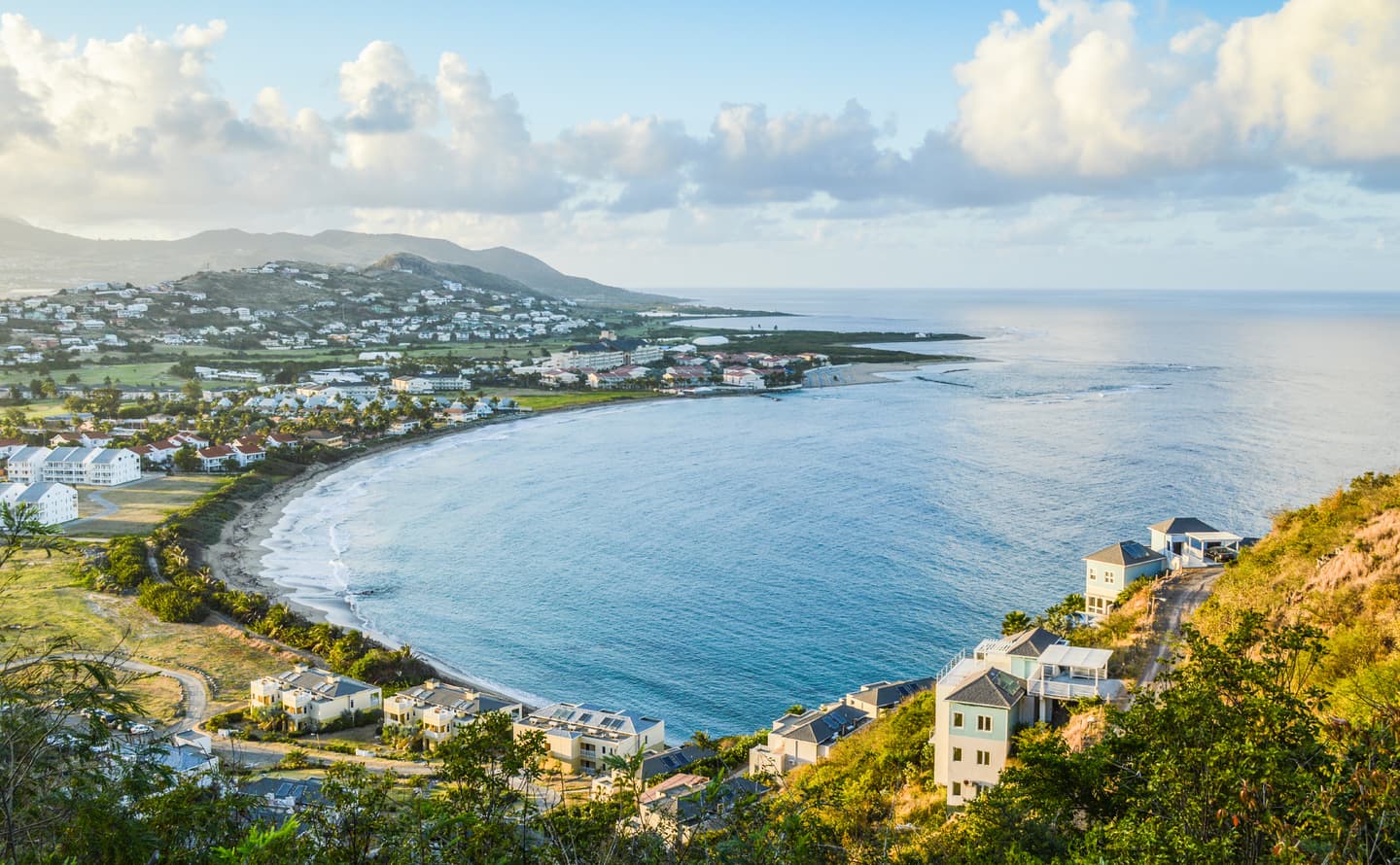
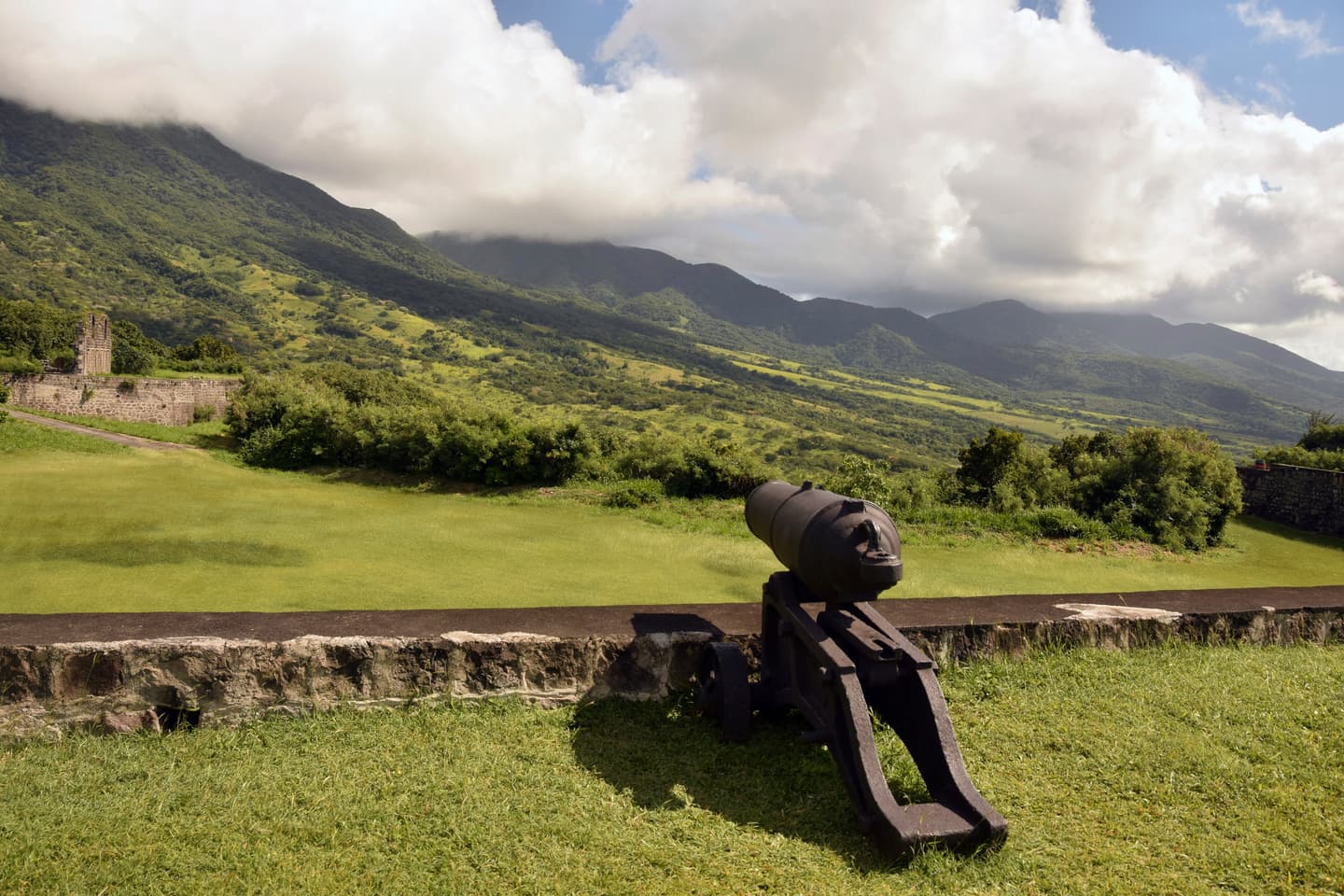
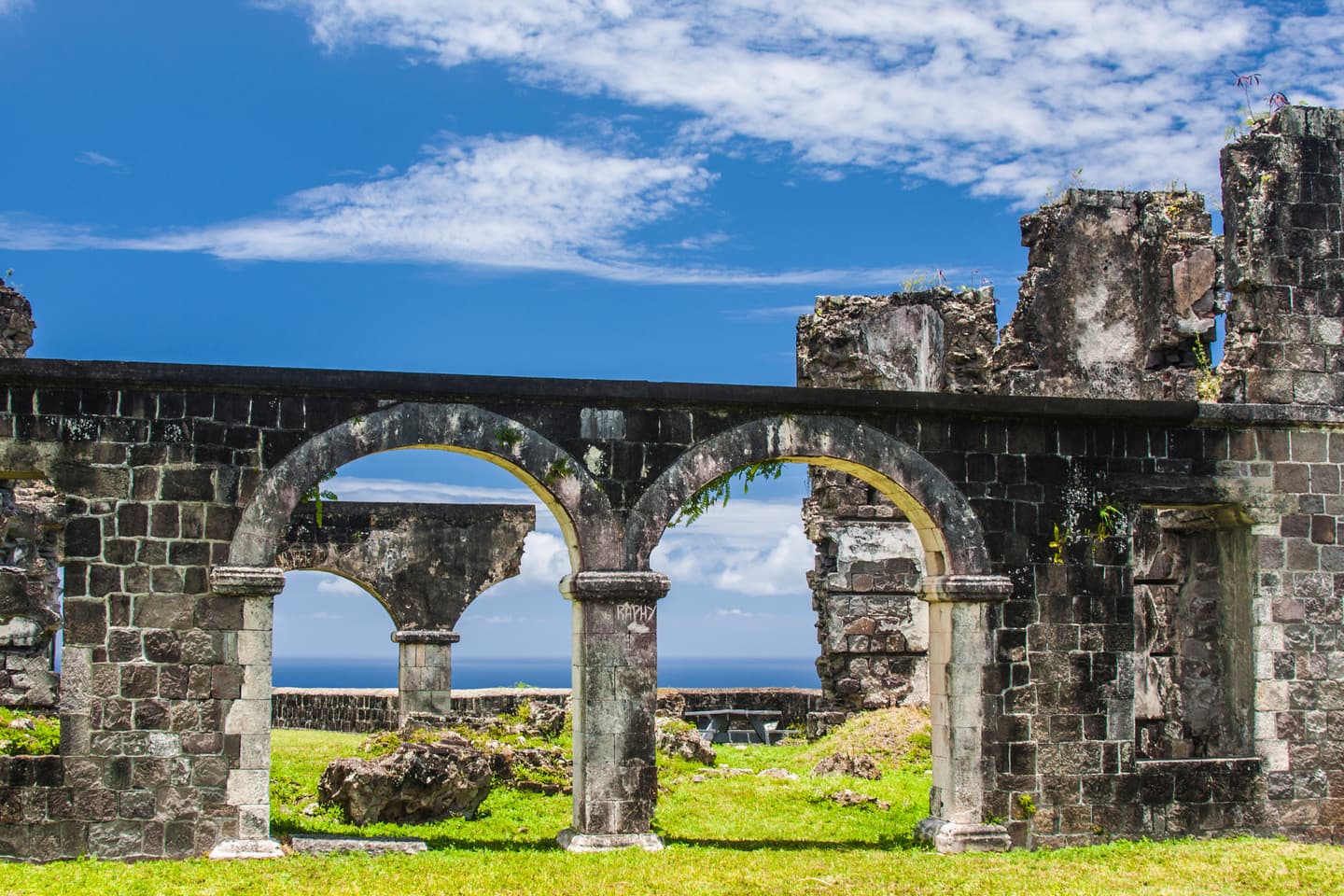
St. Kitts has evolved over the centuries from a booming sugar colony into an ecotourist mecca, thanks largely to dense tropical rain forests. Laid out in a simple grid, downtown Basseterre is a quick walk from the pier and easily explored on foot. It remains a quintessential colonial port town, from its domed Treasury Building on the waterfront to its Victorian and Georgian architecture and handsome white homes with their darling toothpick balconies.
Life at Port
See It for Yourself
What We Love
St. Kitts Scenic Railway: This tourist train follows old sugar-cane tracks, taking you on a scenic, three-hour tour of the island inside double-decker, air-conditioned railway cars. There’s an open-air observation deck, service bar, and live entertainment.
Independence Square: Surrounded on three sides by beautiful 18th-century Georgian buildings, this was the site of the island's slave market in the late 1700s. Today, the picturesque plaza is the central landmark of Basseterre, with flowering trees and an ornate fountain.
Best Known For
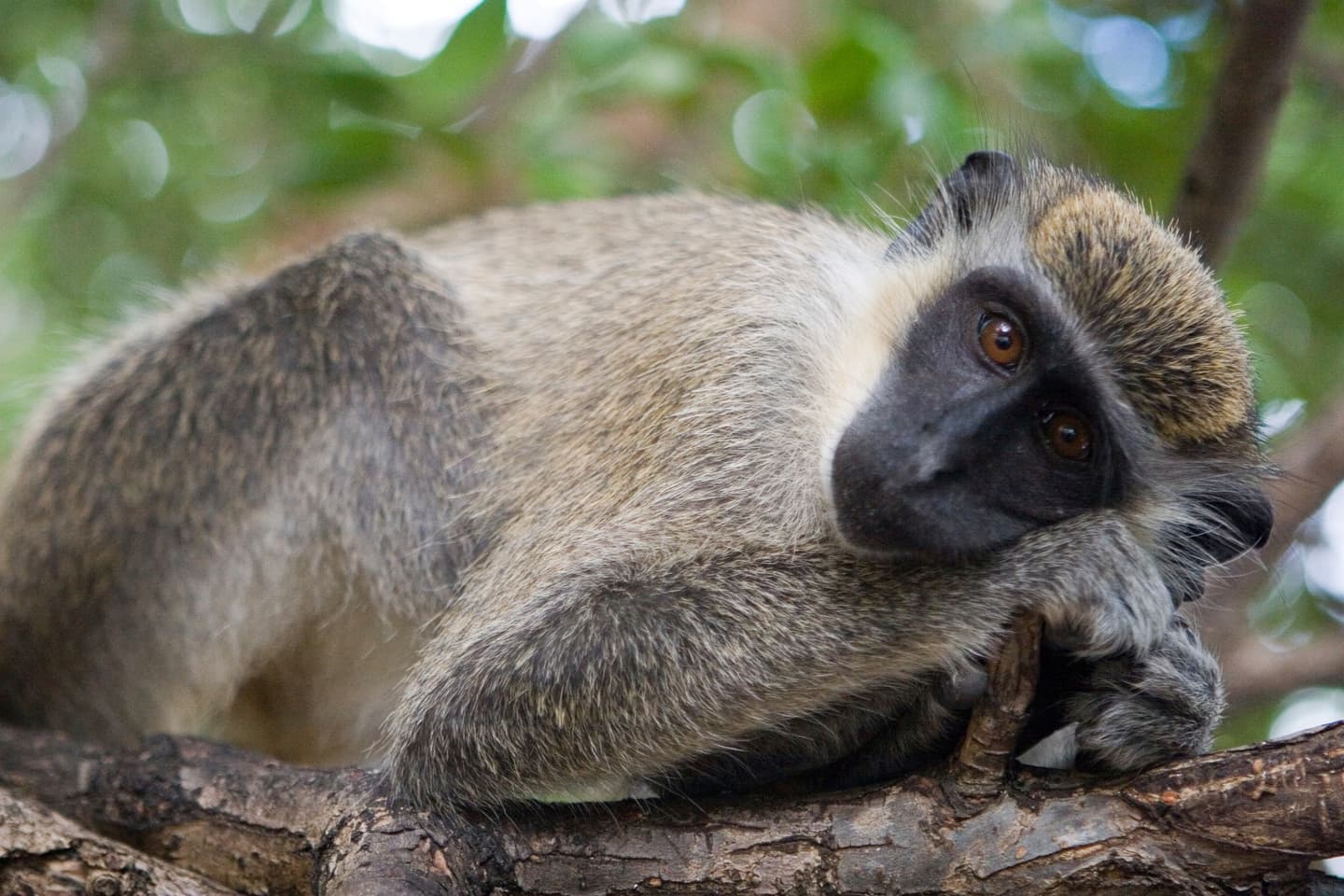
Green Vervet Monkeys: There are reportedly more monkeys than people on St. Kitts. Originally brought to the island in the 17th century by the French as pets, these little primates run in gangs today and are cute but mischievous. They've been known to steal small, shiny objects and even take sips from tourists' cocktails.
Mount Liamuiga: Dormant since 1692, this volcano on the northeast coast is a must for hikers. The mountain's peak is often hidden in the clouds, which adds to the appeal.
Who It's Good For
Nature Lovers: From the gorgeous black beaches made of volcanic sand to the lush, tropical rain forest and ubiquitous monkeys, the island offers much to please fans of Mother Nature.
Don't Say We Didn't Warn You
Look Both Ways: This former British colony retains its love for cricket and the custom of driving on the left side of the road.
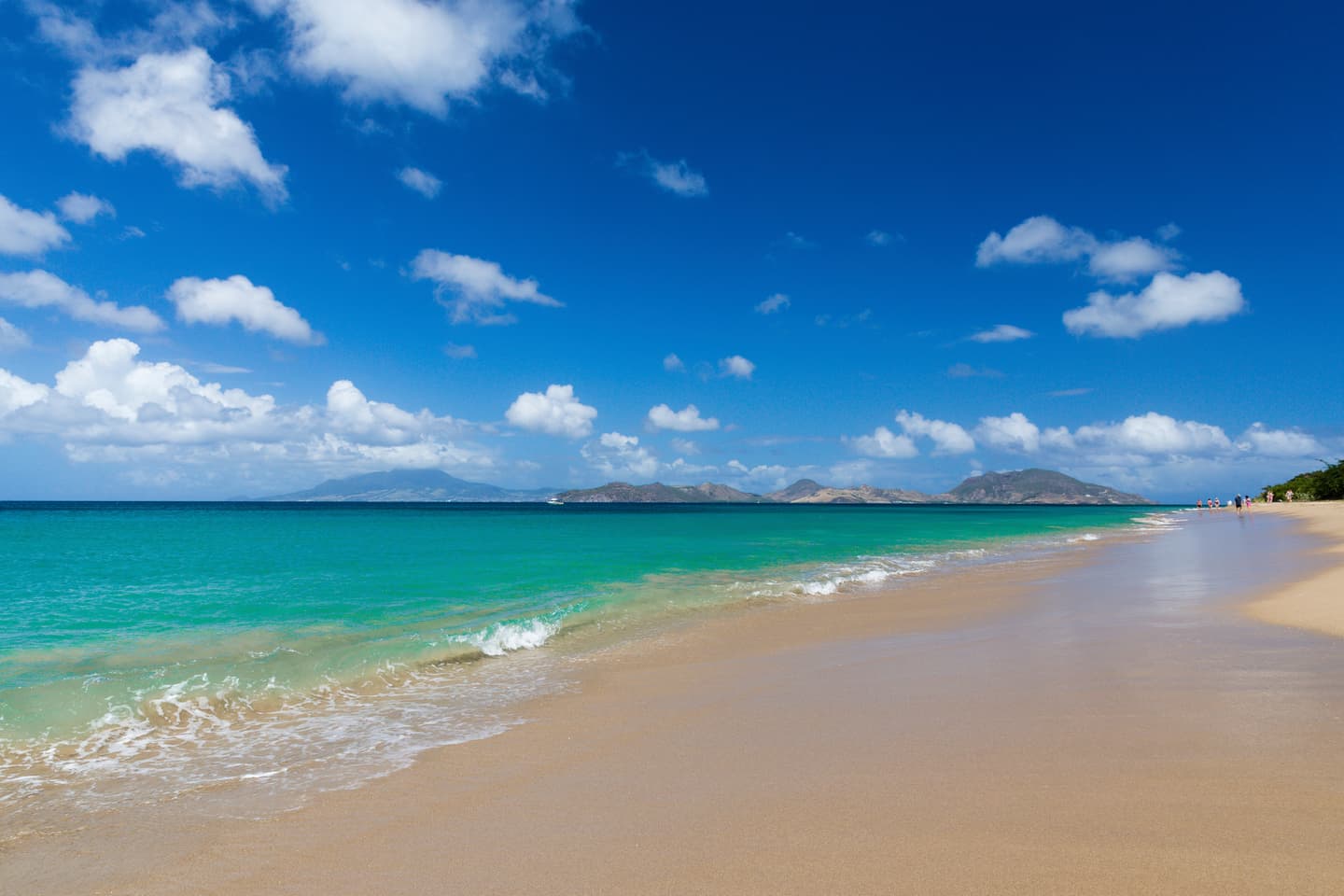
Expect a Few Jackhammers: The island’s southeastern peninsula, where you find the best white sand, has been zoned for major resort development.