
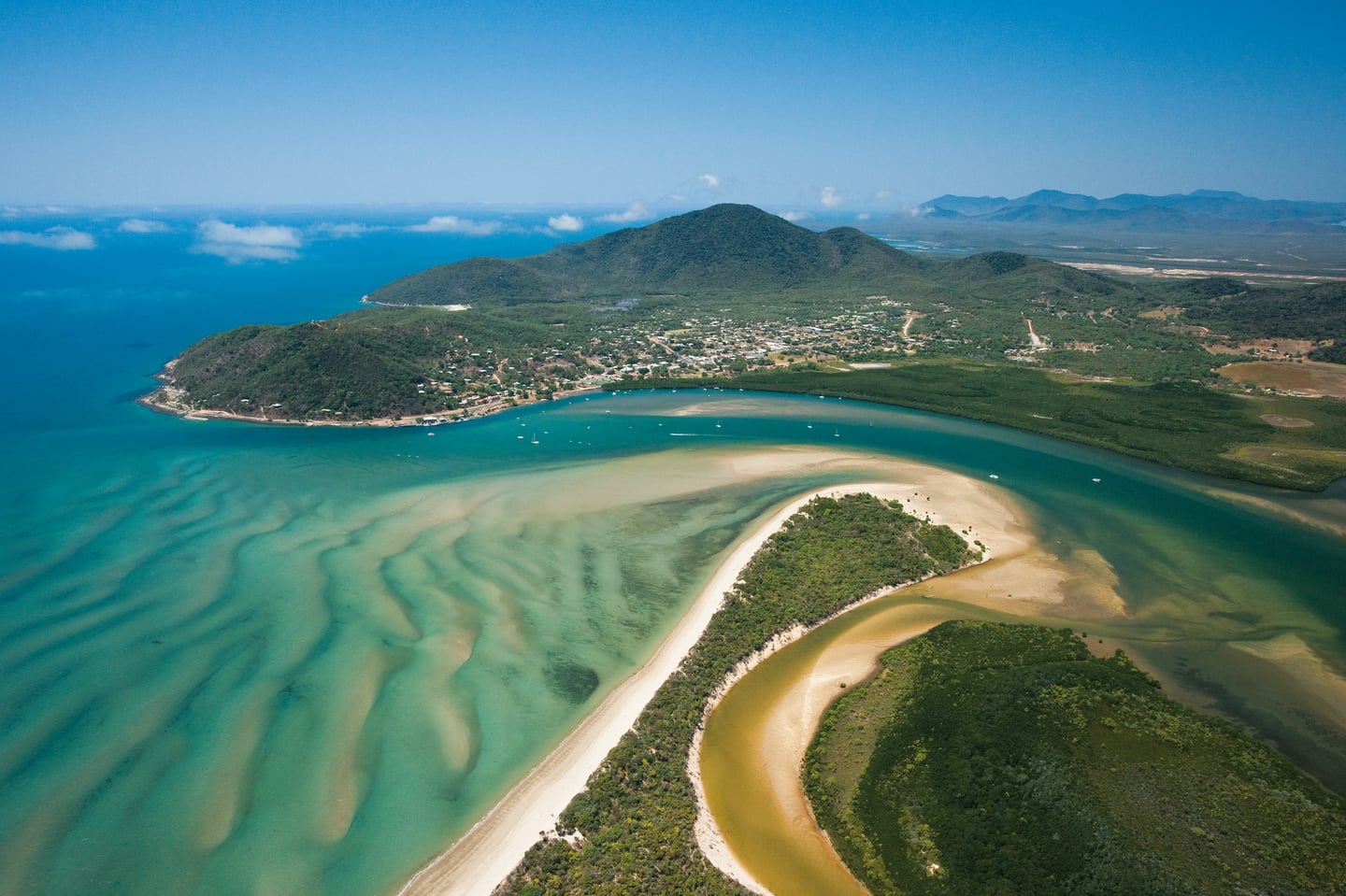
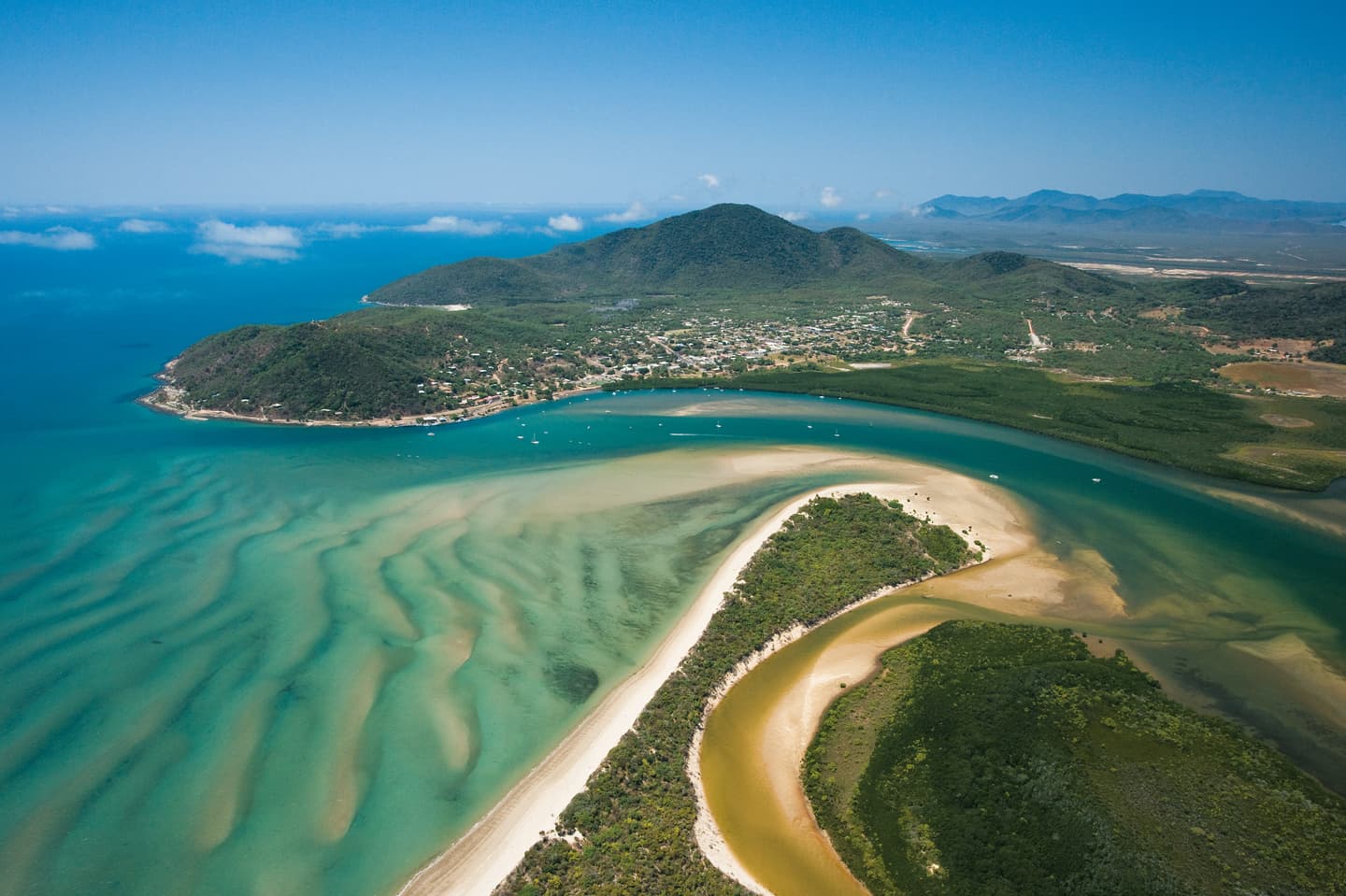
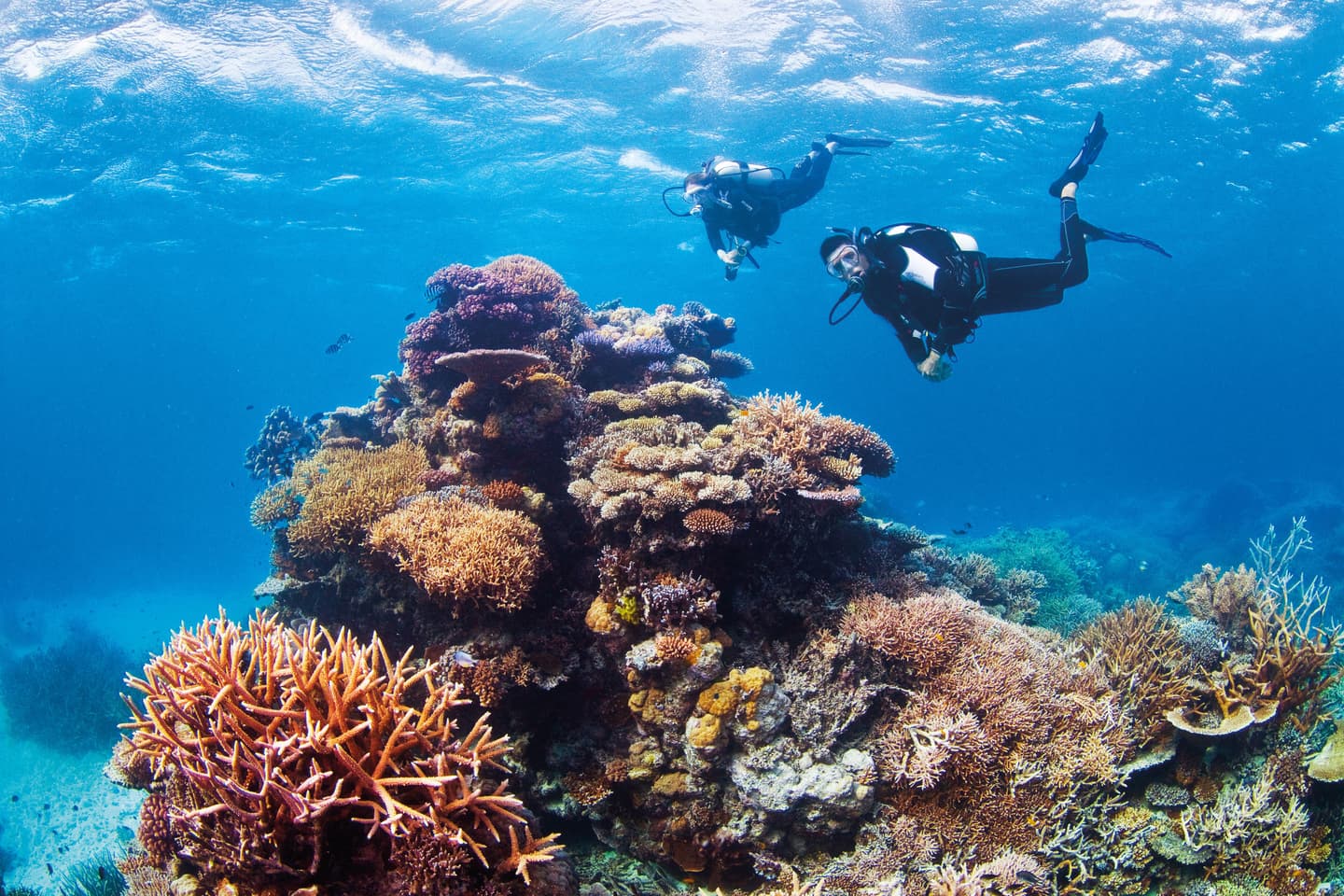
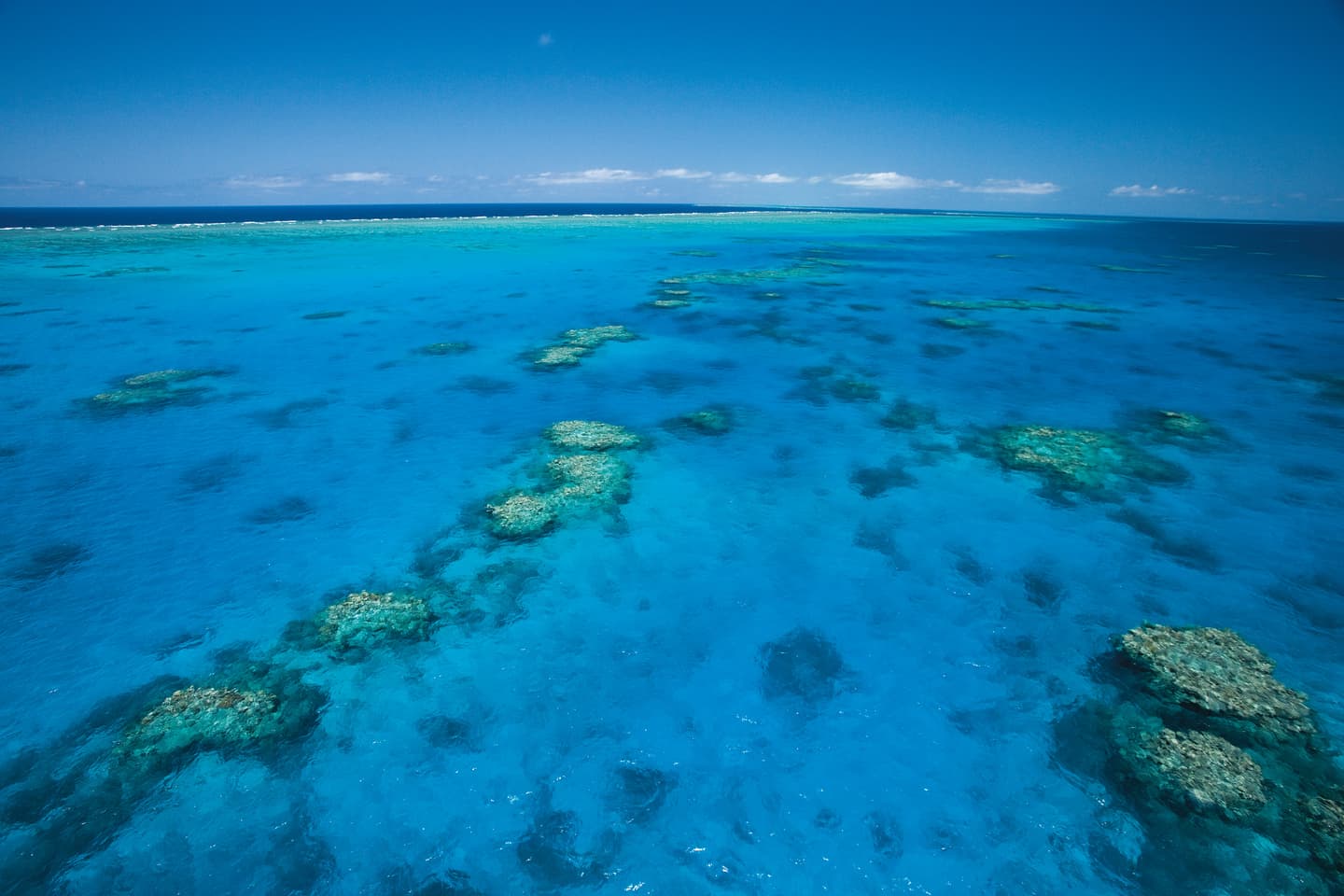
This small town in Queensland, Australia, located well north of Cairns, saw the first non-indigenous settlement in Australia in 1770 when Captain James Cook beached his ship Endeavour for repairs. Though Cook (and his crew) only stayed for seven weeks, the city still bears his legacy. Since a boom in the 1870s during the gold rush era, Cooktown has settled down into a laid-back place that's chockablock with history and a base for aboriginal tours, fishing (especially barramundi and coral trout), and snorkeling around the Great Barrier Reef.
Life at Port
See It for Yourself
What We Love
Botanic Gardens: The Cooktown Botanic Gardens are a delight, their unfamiliar plant species reflecting not only North Queensland's tropical climate but also the fresh water ponds and the sea in close proximity. Illustrated drawings made at the time of these plants’ discovery aid in the understanding of the gardens’ origins.
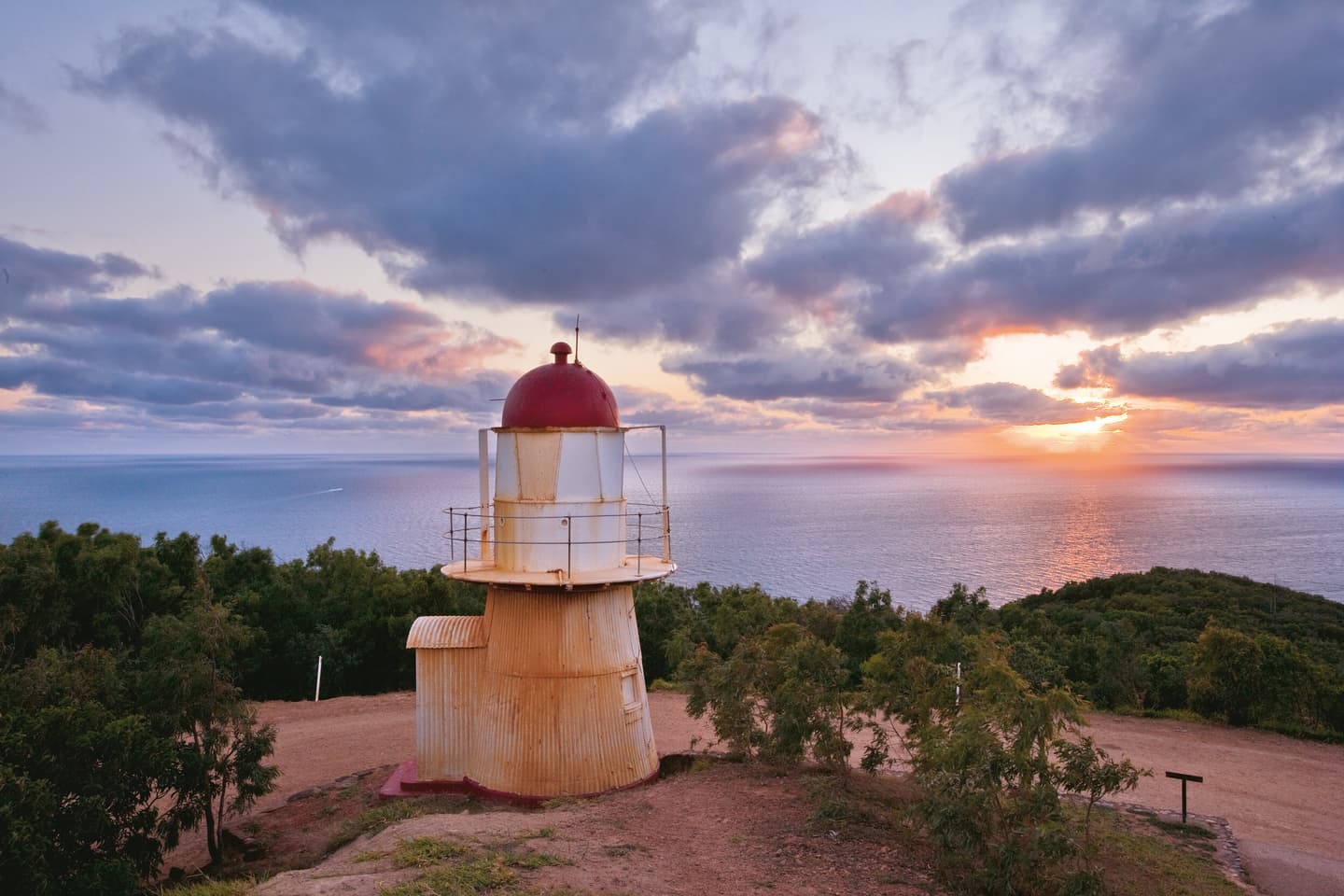
Grassy Hill: If you're fit, climb this slope for the 360-degree views of Cooktown, as well as scattered bits of the Great Barrier Reef offshore. It’s the same lookout that James Cook used to navigate a way through the reef back out to sea.
Off-the-Grid Feel: Cooktown has the vibe of a frontier town. There is definitely a sense of being almost off the map and largely off the tourist route.
Best Known For
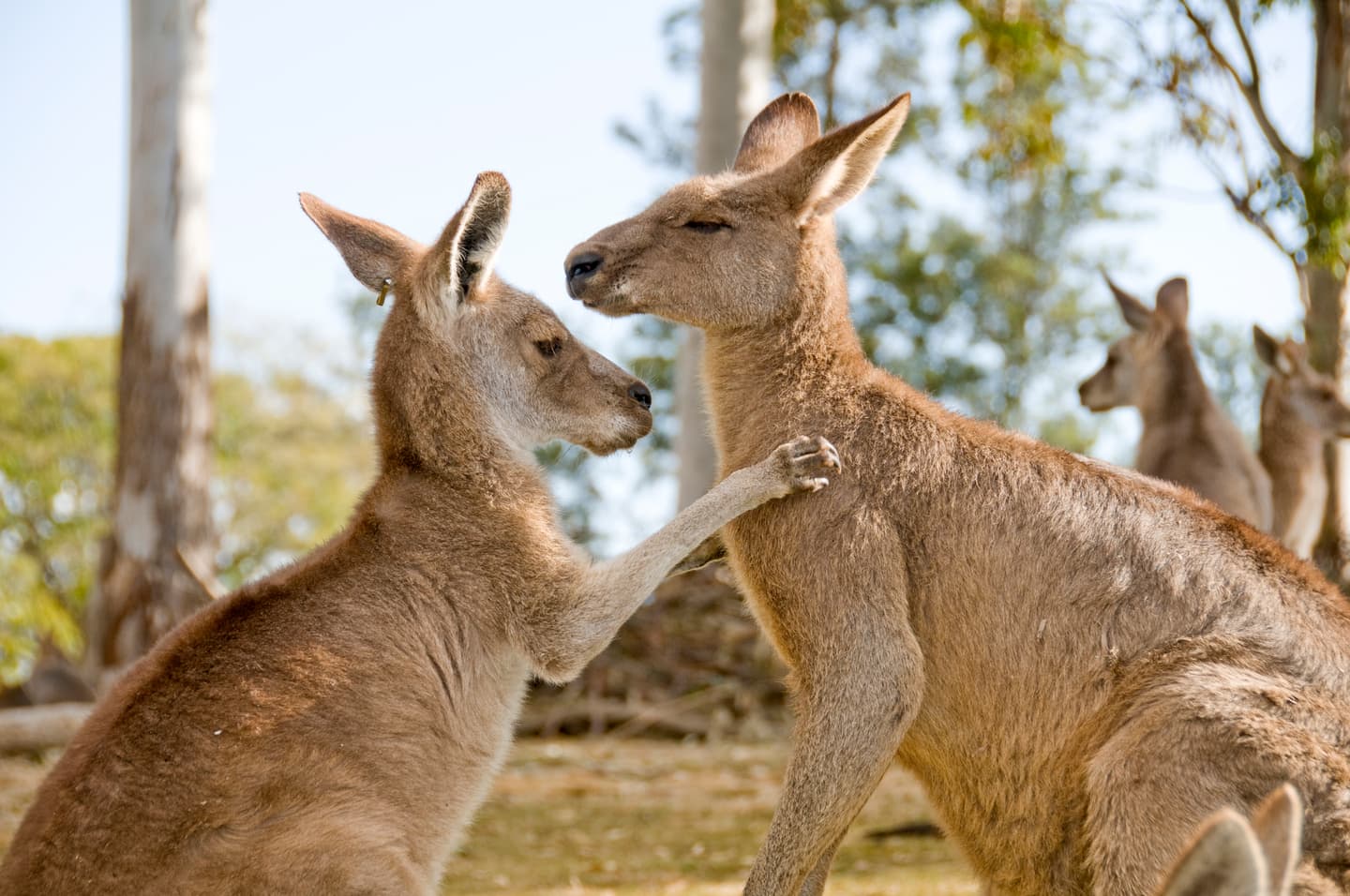
Historic Legacy: Captain Cook left this historic town — and Mount Cook National Park — his name, and the Endeavor River took that of his ship. While meeting with the aborigines, Cook learned a bit of their language and was able to put a name — kangaroo — to the strange creatures they came upon.
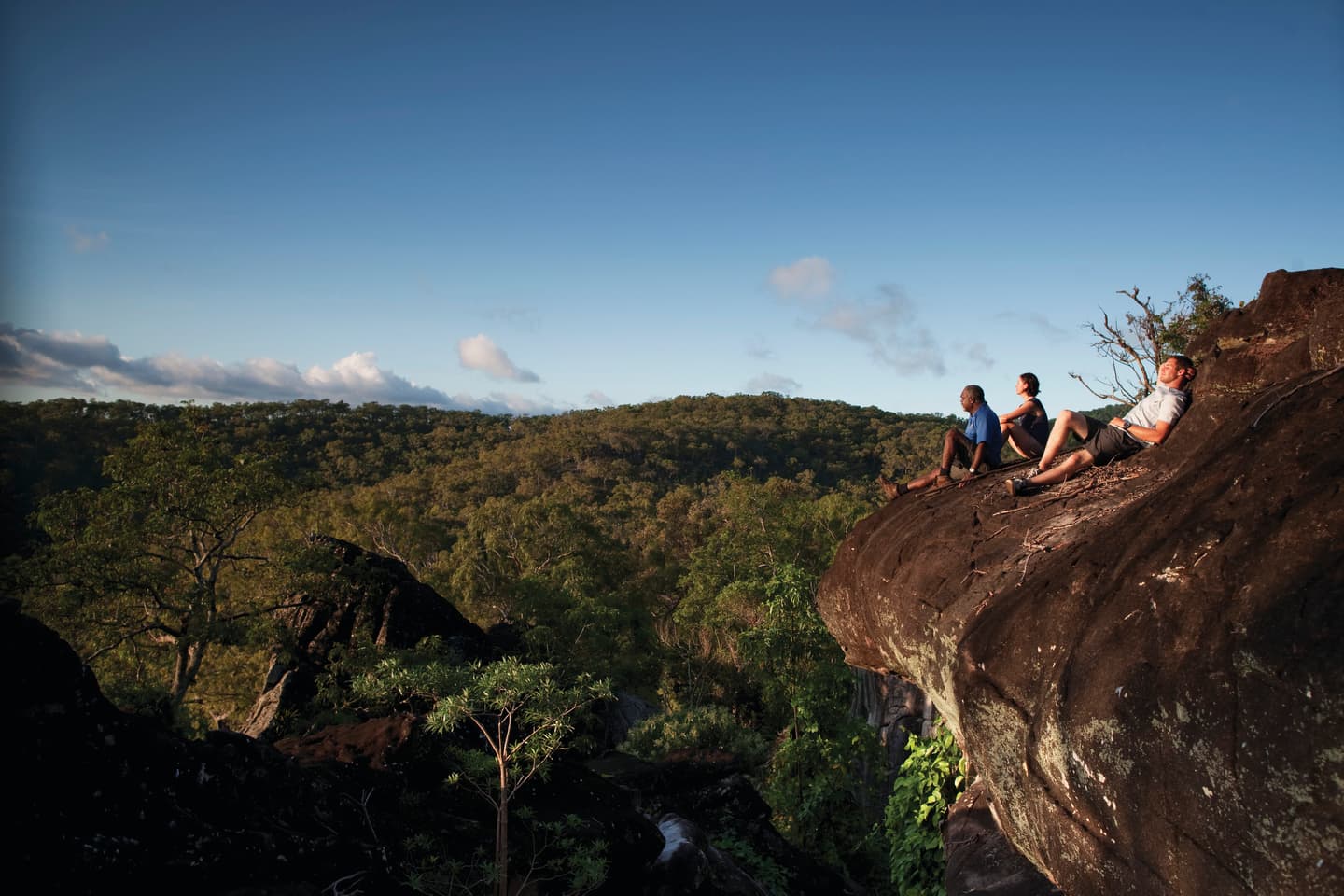
Black Mountain: This mysterious heap of granite boulders rests in a namesake national park. Peel your eyes for strange, native creatures: a walnut-sized boulder frog that skips the tadpole stage, and the skink, a small black lizard that looks green in the light. You can also marvel at one of the many revered aboriginal sites such as a kangaroo-shaped rock called Julbanu.
Who It's Good For
History Buffs: People who like to poke around will enjoy the James Cook Museum, housed in a 19th-century convent, and the Cooktown History Centre, with interactive displays and murals in the former post office and telegraph facility. The public buildings have a nostalgic feel that recall old Cooktown.
Don't Say We Didn't Warn You
It Can Feel Crowded: When a large shipload of people descend on any small place, it can turn a charming locale into a swarming tourist trap with few areas to navigate in peace. A small-ship visit, however, would be less overwhelming.