
Heraklion, Greece



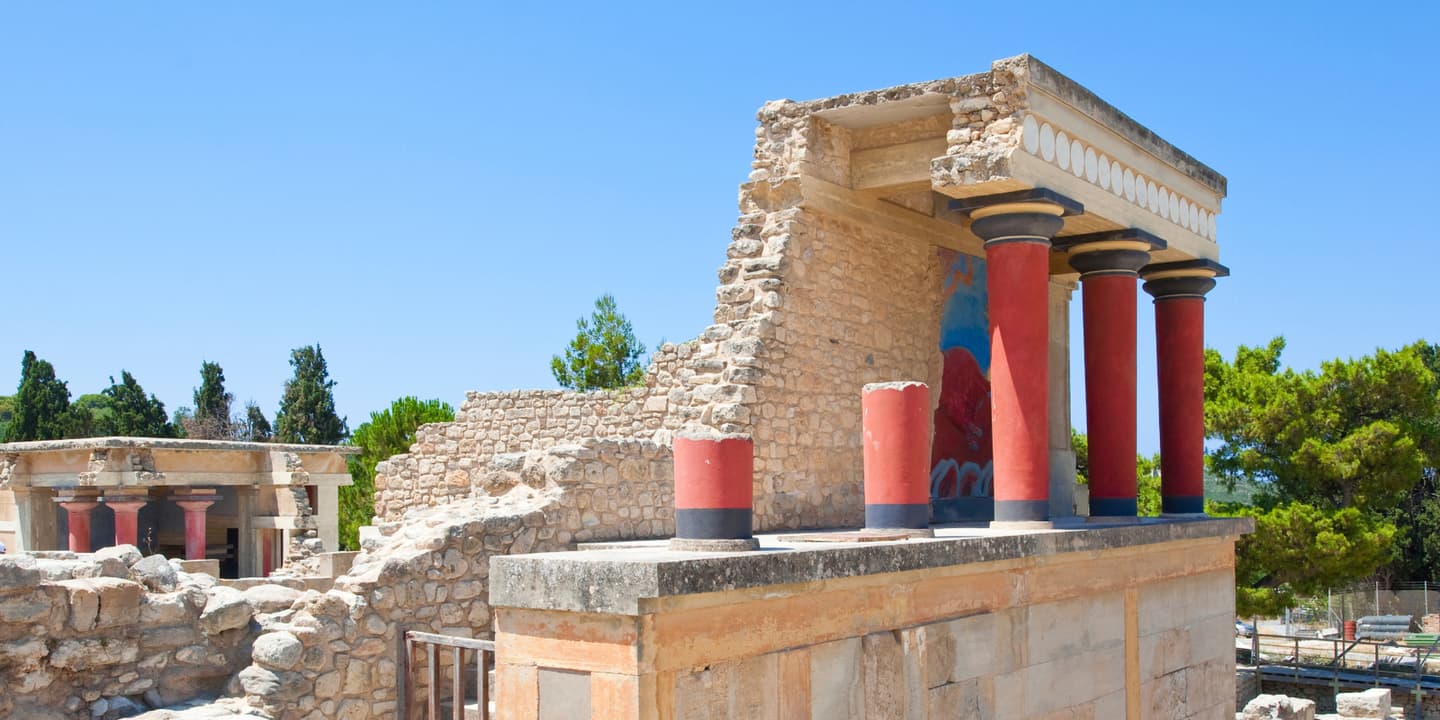
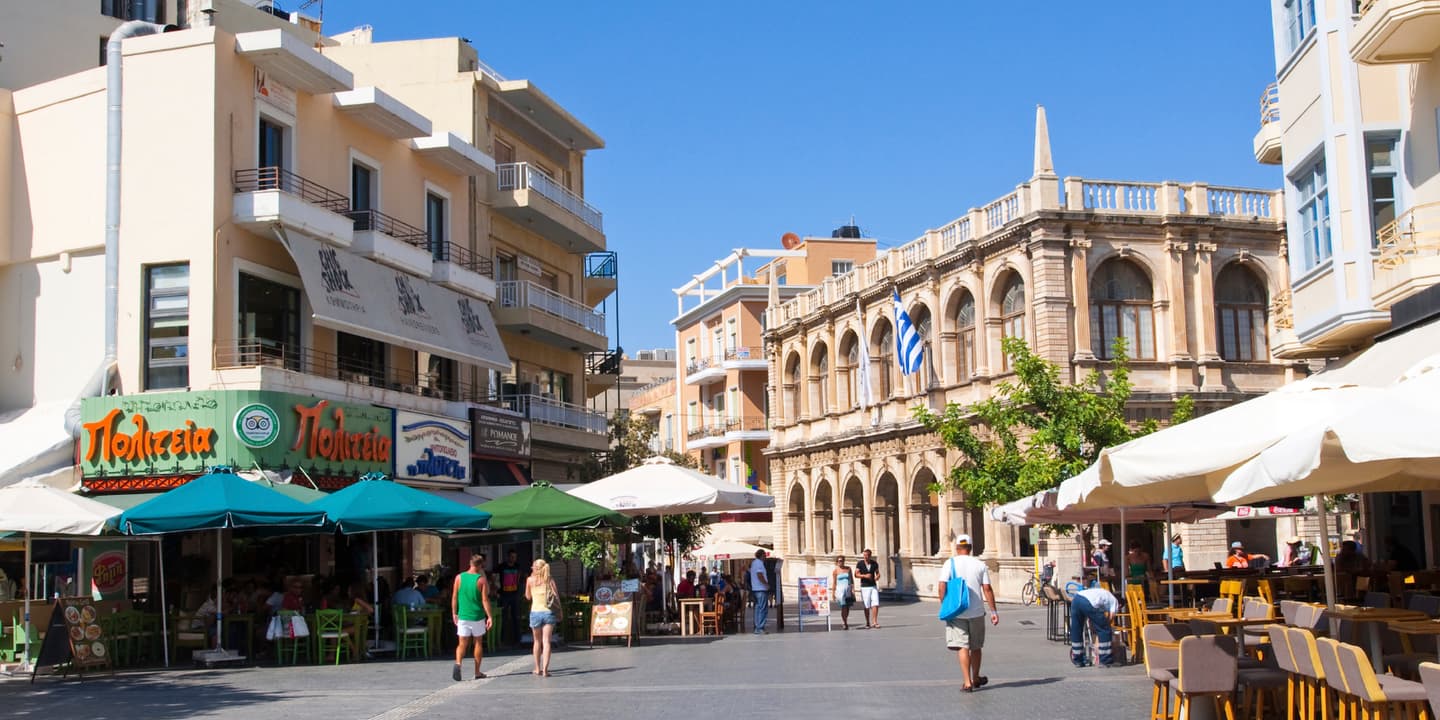
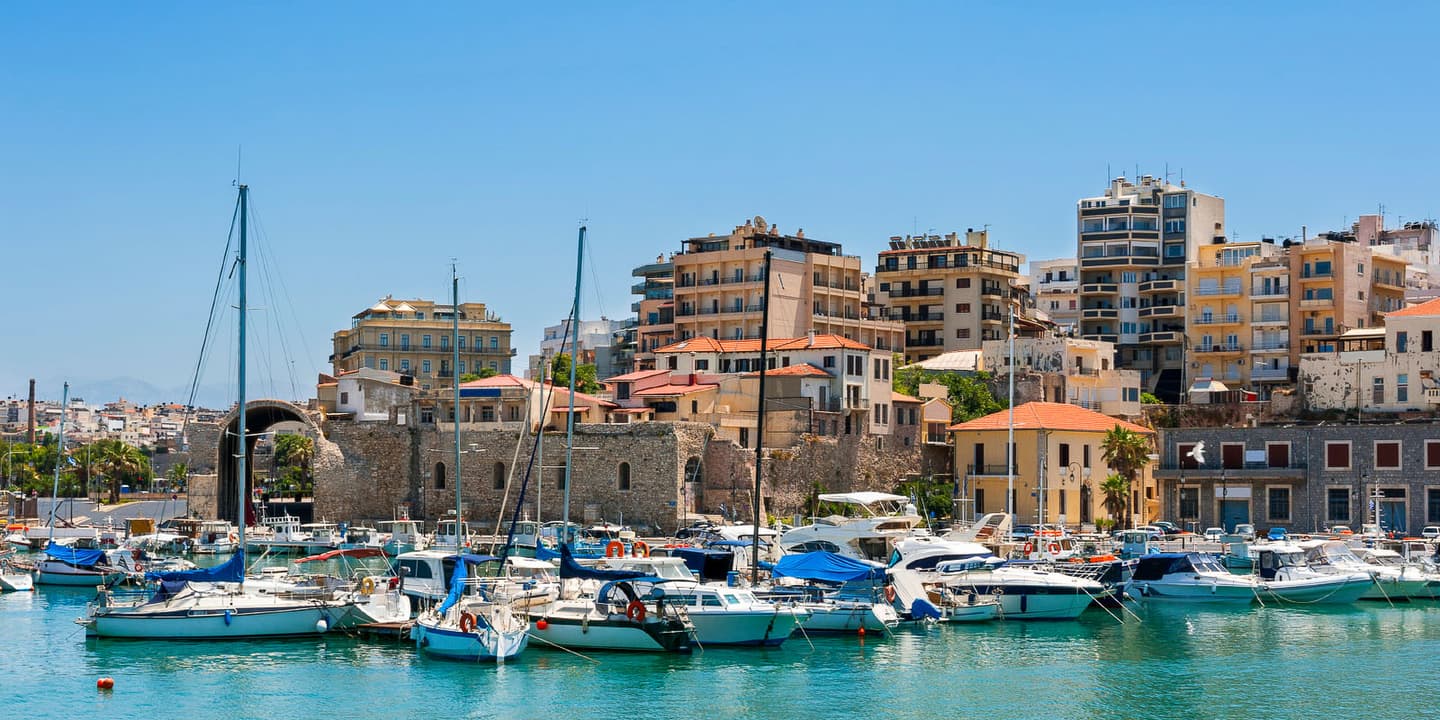
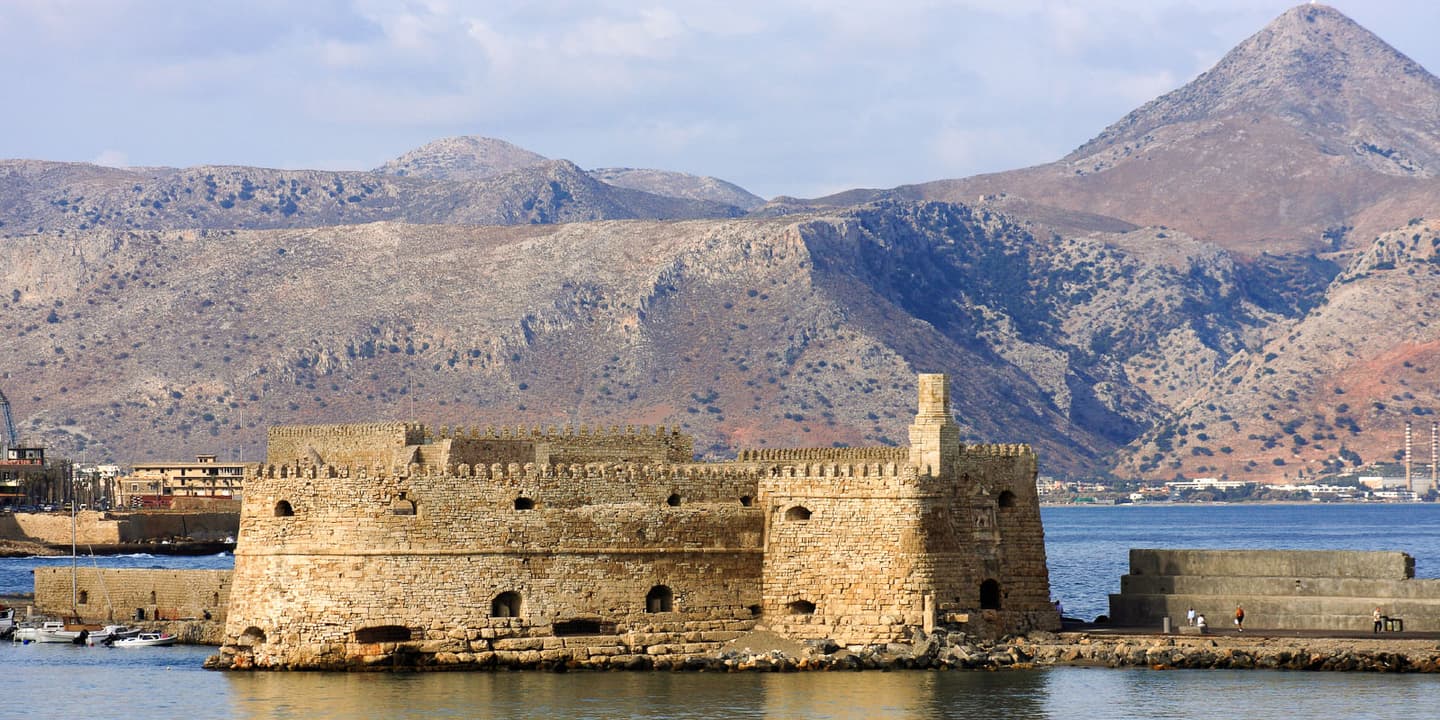
Crete is a big island (the largest in Greece) with several ports, but the most compelling for lovers of all things ancient is Heraklion. You might not think so at first, as you gaze out on the sprawling, somewhat aesthetically challenged cityscape. But this mazelike metropolis is the gateway to some of the country’s most treasured antiquities.
What We Love
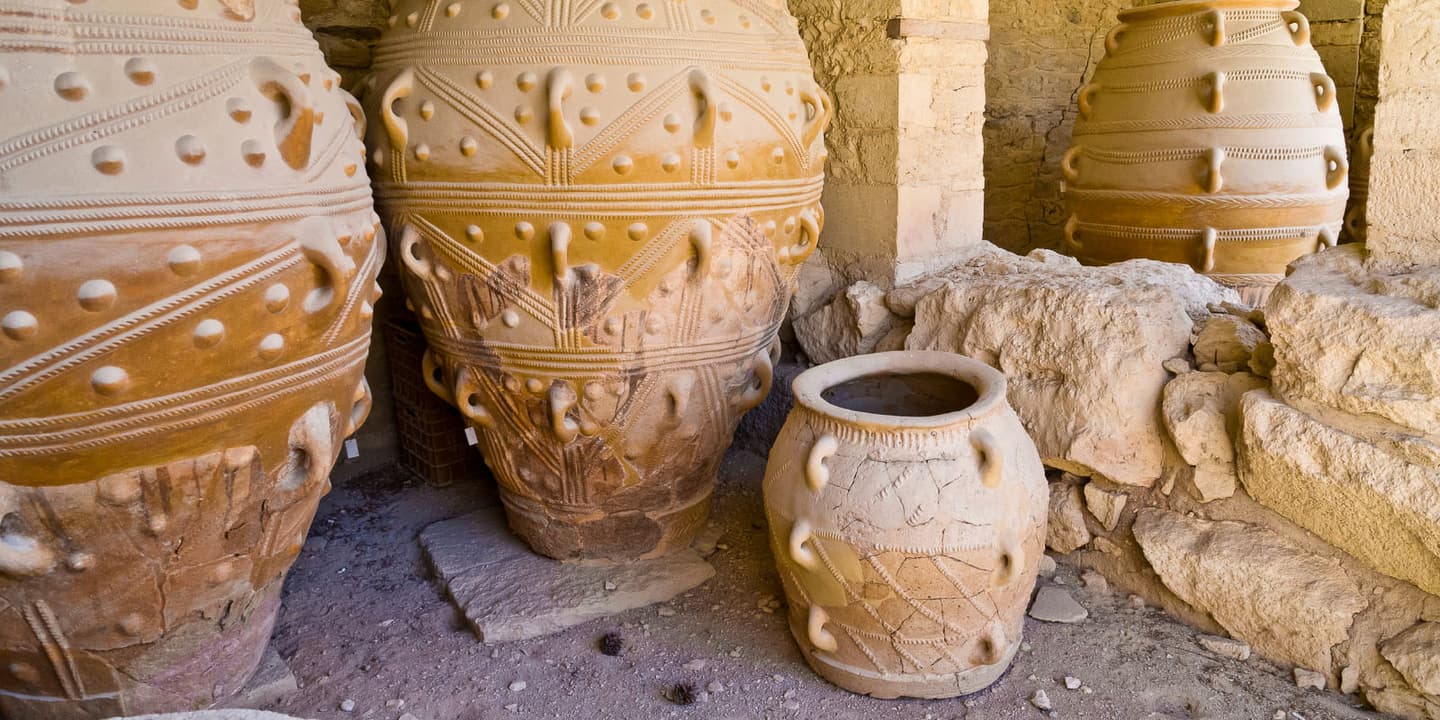
The Archaeological Museum: What Heraklion lacks in beauty (for that head to Chania, about 90 minutes away) it more than makes up for in historic importance. The Archaeological Museum is chockfull of ancient Minoan artifacts — including Minotaur sculptures and a golden “Snake Goddess” statuette — excavated from the nearby Palace of Knossos.
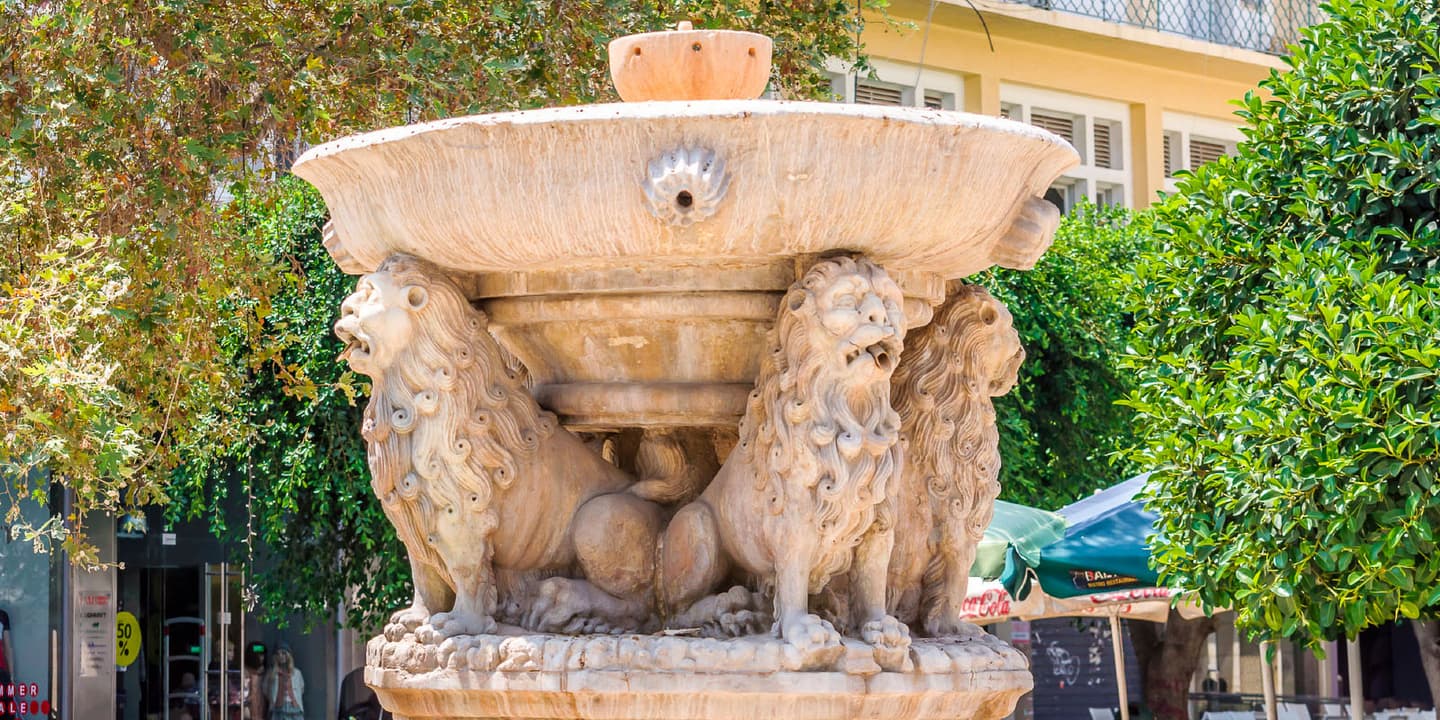
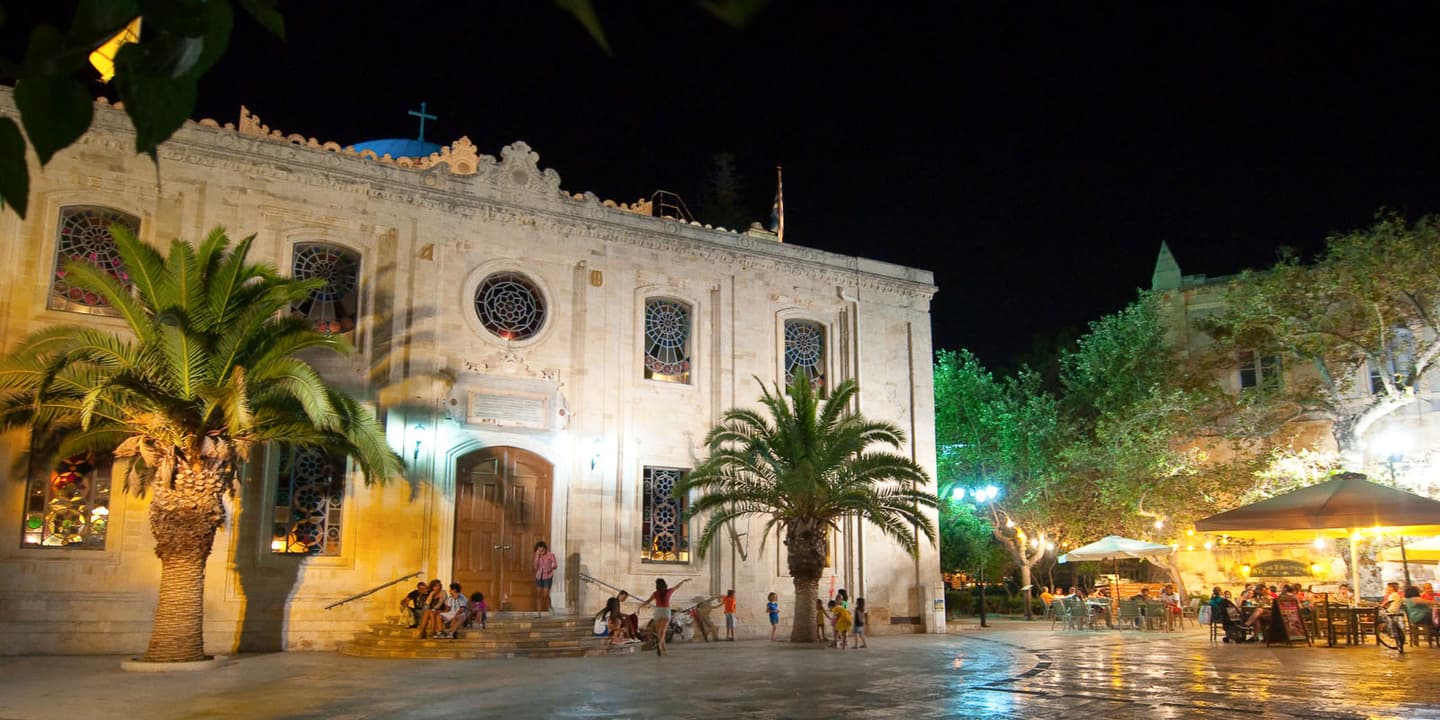
Its Medieval Heart: For charm, head uphill along 25th of August Street to café-lined Liondaria (Lion Square). En route, you’ll pass St. Titus Cathedral, the 16th-century Venetian-style Loggia, and 13th-century St. Mark’s Basilica. Lion Square is home to a fountain with a massive stone basin supported by four lions and decorated with nymphs and sea monsters.
Best Known For
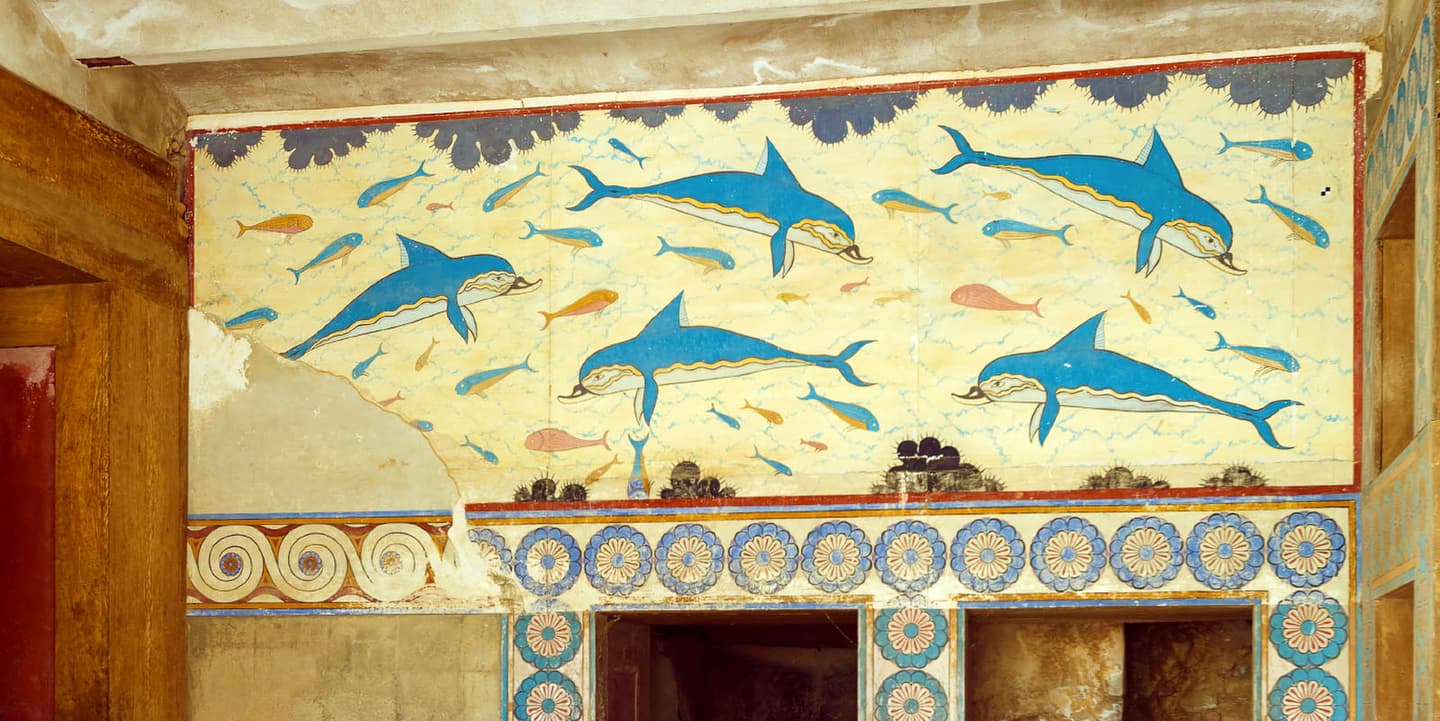
The Palace of Knossos: The Minoans, who ruled Crete 5,000 years ago, were one of the ancient world’s most advanced civilizations. See their ingenuity at this excavated palace, filled with porticos, colonnades, and stairways decorated with frescos of athletes, dancing women, and dolphins. The entire complex had plumbing, too.
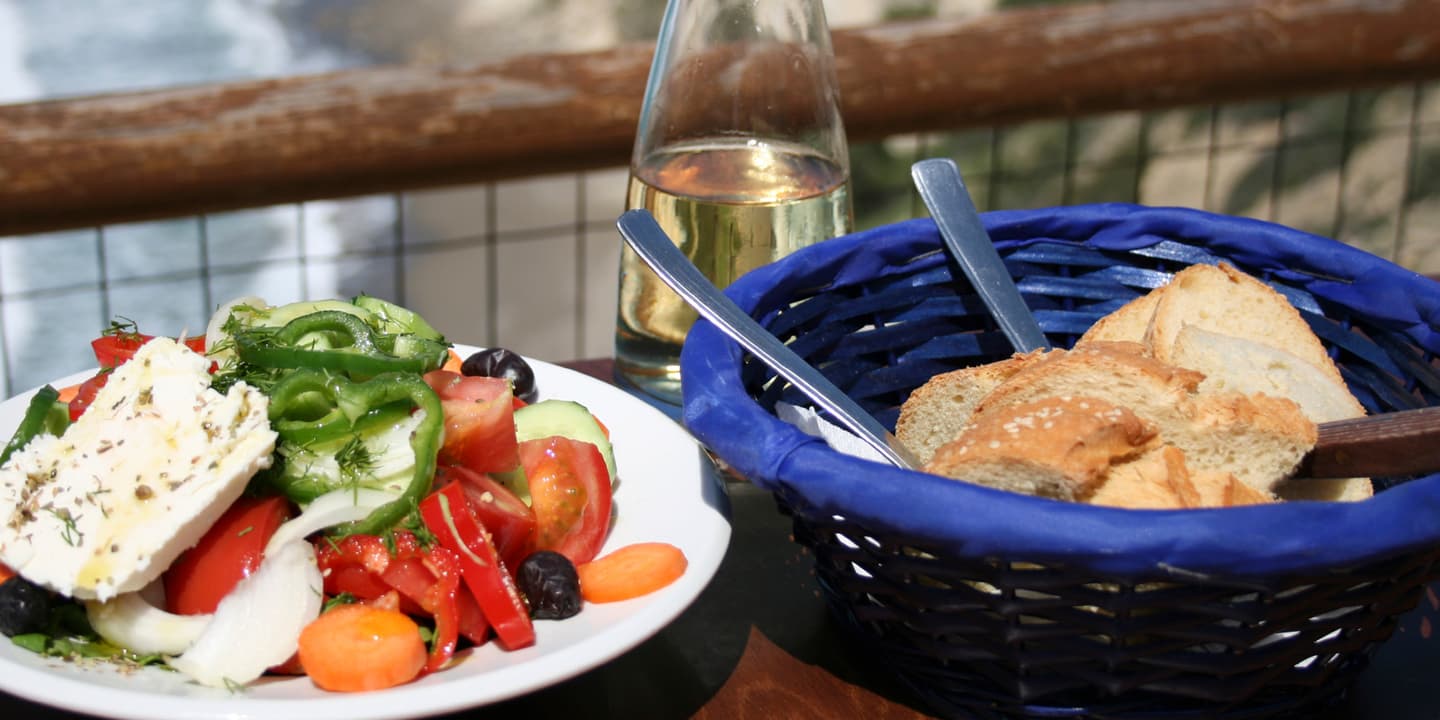
The Agora: Markets offer a fascinating glimpse into local life and this one, which runs adjacent to a shopping boulevard known as 1866, is brimming with the freshest ingredients of Cretan cuisine: honey, thyme, cheese, and the clear, anise-flavored spirit raki.
Who Is It Good For
Anyone Who Digs Ancient Civilizations: The detailed renderings of gods, goddesses, and mythological creatures you'll see here are fascinating.
Don't Say We Didn't Warn You
Wear Comfortable Shoes: Cobblestone streets and millennia-old ruins can be punishing.