
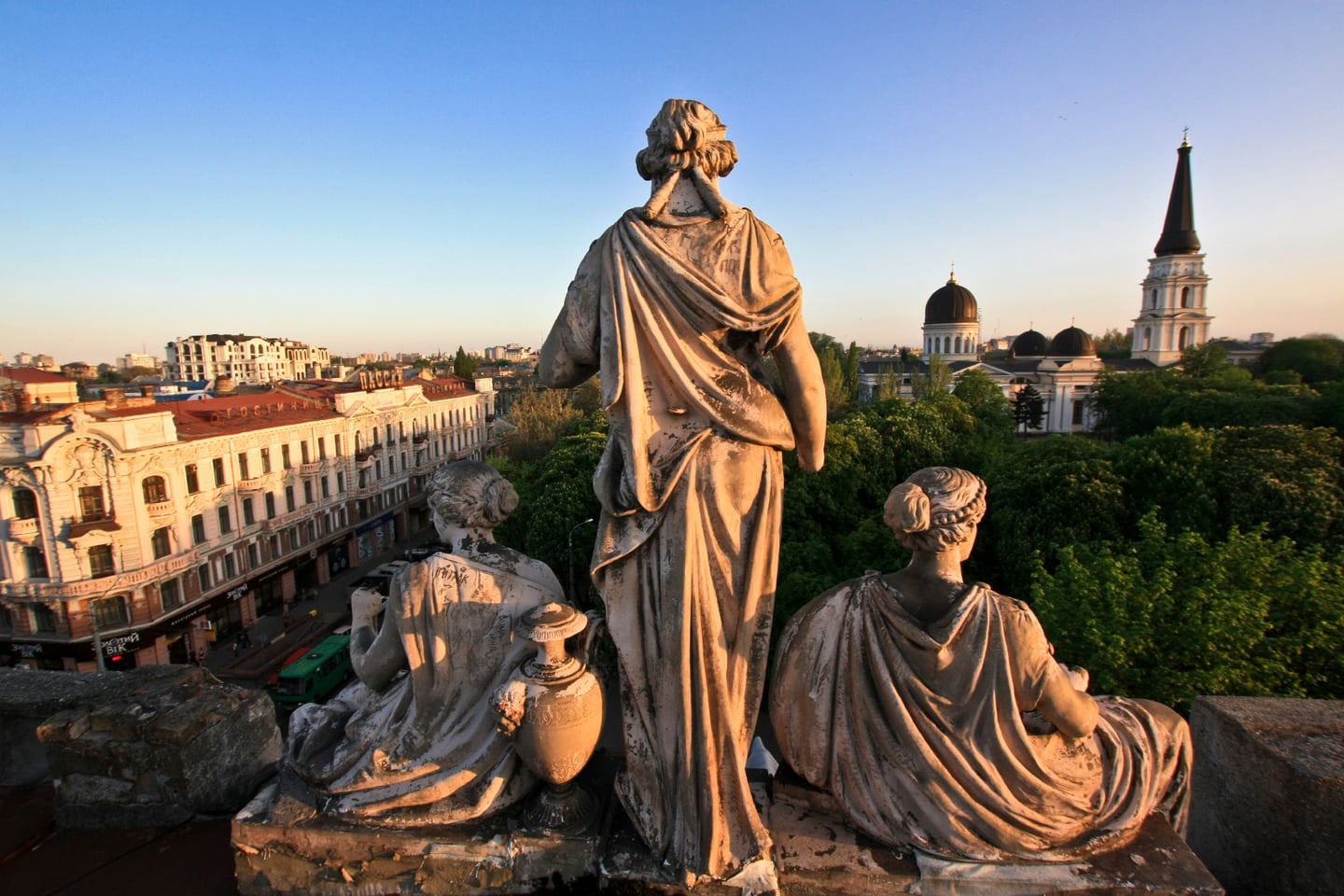
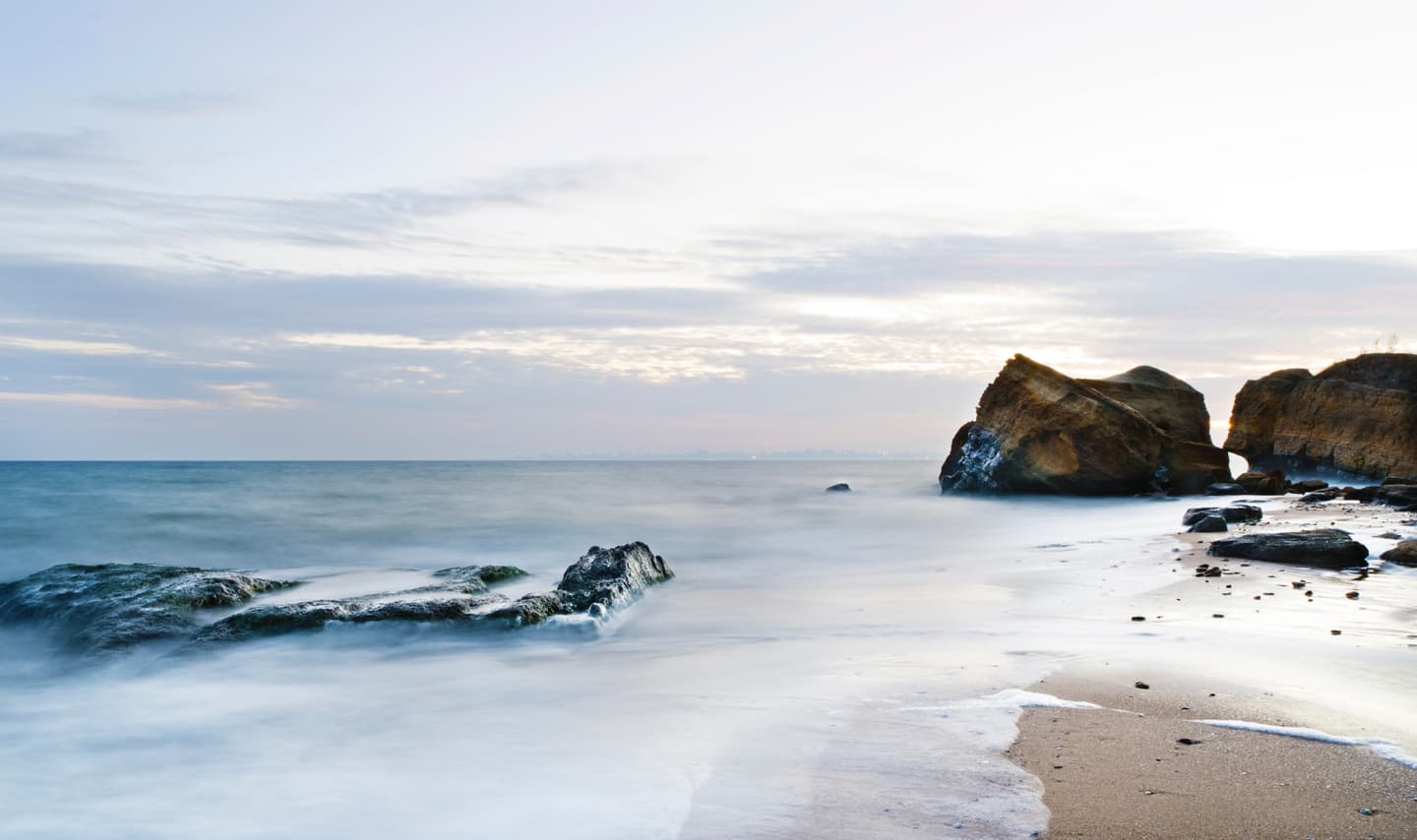
Odessa, at the top end of the Black Sea, grew into a major ice-free trading port during Greek occupation and developed into a cosmopolitan city following the arrival of Armenians, Jews, Russians, Romanians, and Turks. Russians favored Odessa’s beautiful coastline as a resort, and it remains so today. Its popularity as a cruising port developed more recently, though, with a lull during the Russian military intervention in Ukraine.
Life at Port
See It for Yourself

What We Love
Potemkin Stairs: Odessa’s most famous monument starts (or ends, depending on your direction) near the cruise terminal. These 192 monumental steps between the port and the city center make for a dramatic entrance into the city. There are 10 landings along the way for views — and a rest.
Privoz Market: Arguably the world’s largest outdoor market takes place next to the central railway station. Go there to get a taste of the local produce and see the fish caught in the Black Sea.
Best Known For
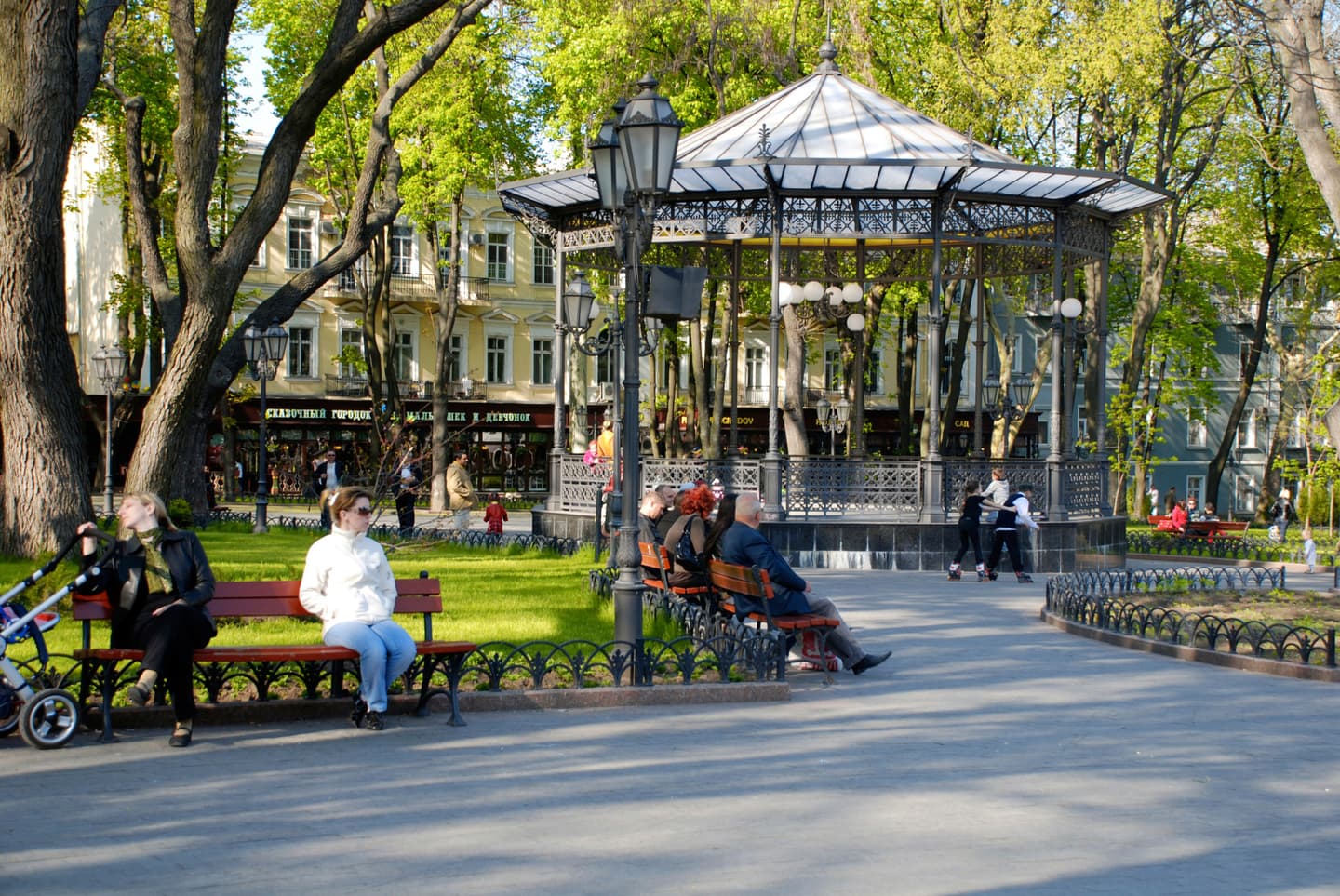
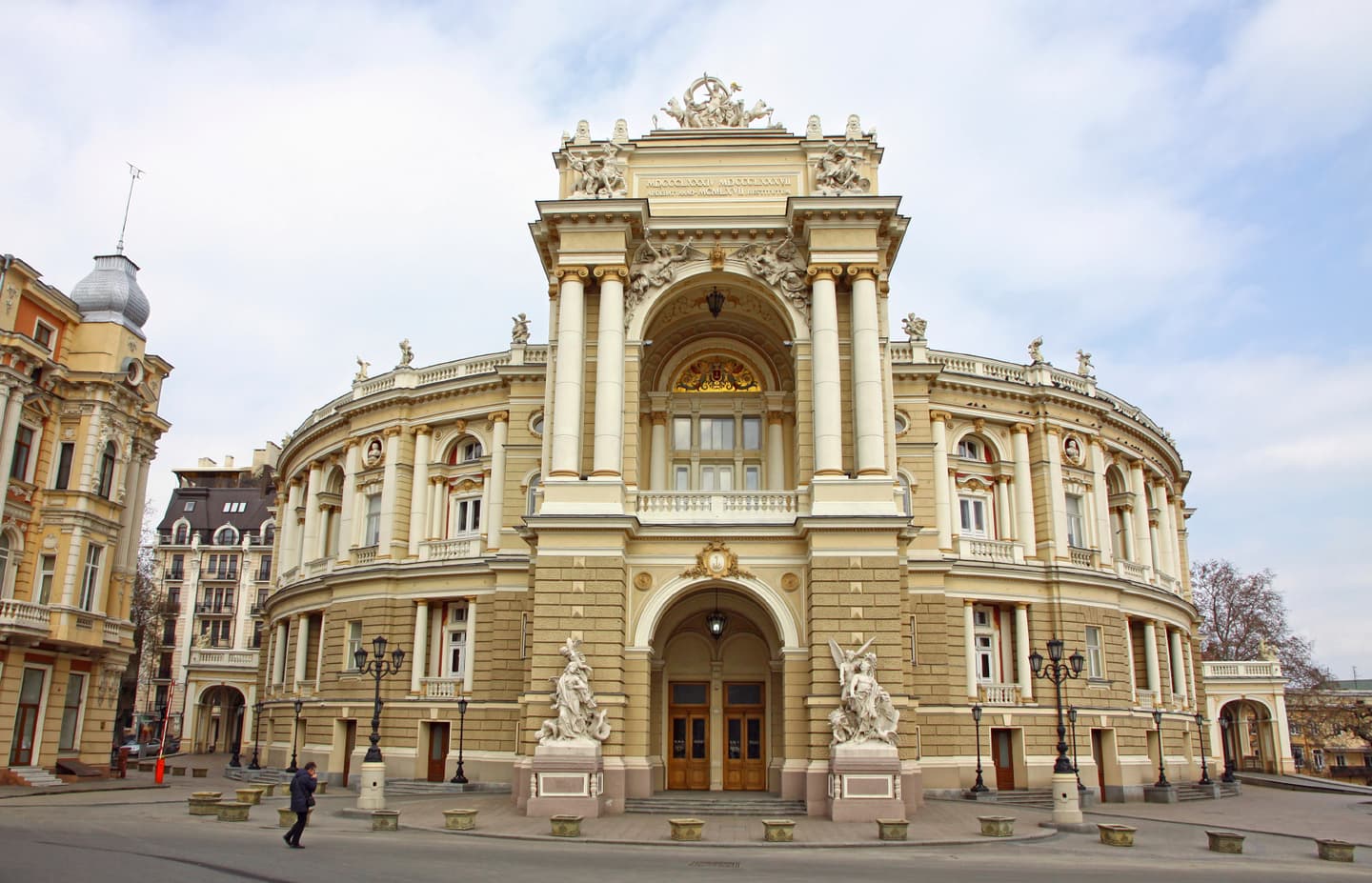
Grand Boulevards: Start at the top of the Potemkin Stairs and take a walk along several tree-lined thoroughfares to capture the city’s architectural grandeur, with stops at the ornate Passage Galleries, City Gardens, and Shevchenko Park.
Museums: Be sure to visit the Odessa Museum of Western and Eastern Art, which has collections spanning the 16th to 20th centuries, and the more intimate museum dedicated to Alexander Pushkin, Russia’s greatest poet, who lived and wrote here.
Who It's Good For
Cultural Aficionados: Few cities have the kind of long and complex history as that of Odessa. There have been many foreign influences and significant rises and falls in its economy, especially following the devastation of World War II.
Don't Say We Didn't Warn You
Be Alert: The city’s economy coupled with the influx of travelers has unfortunately led to a rise in petty crimes. Be extra diligent, and watch out for your possessions — especially when in crowded shopping precincts.