
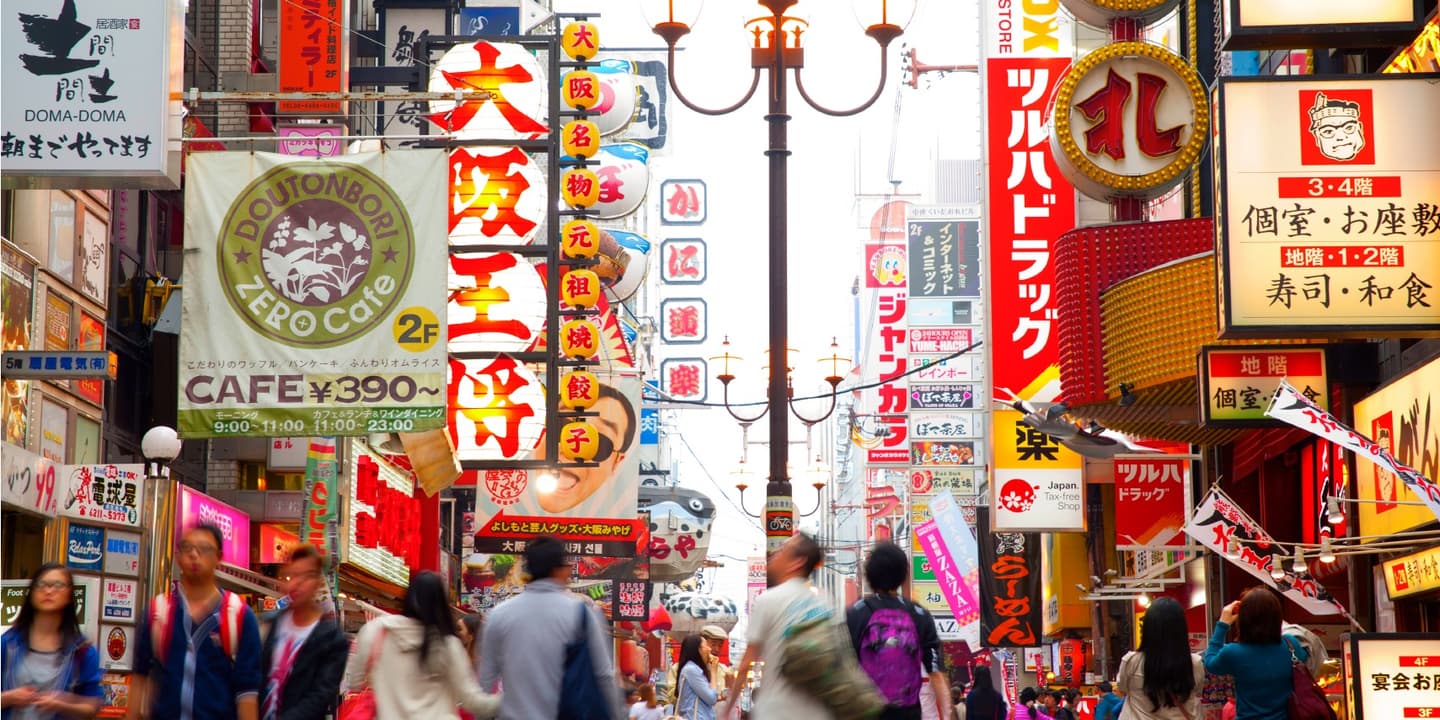
Osaka, Japan’s second-largest city after Tokyo, has historically been the country's leading commercial center, with early trading connections to Korea and China, and it remains a major container port. Because of its importance, the city was flattened during World War II, although visitors today won’t find a hint of that destruction. Laced with highways, some elevated, as well as a network of canals, modern Osaka is famous for having hundreds of bridges. It's also home to one of Japan's landmark castles, and has a much-celebrated nightlife scene.
Life at Port
See It for Yourself
What We Love
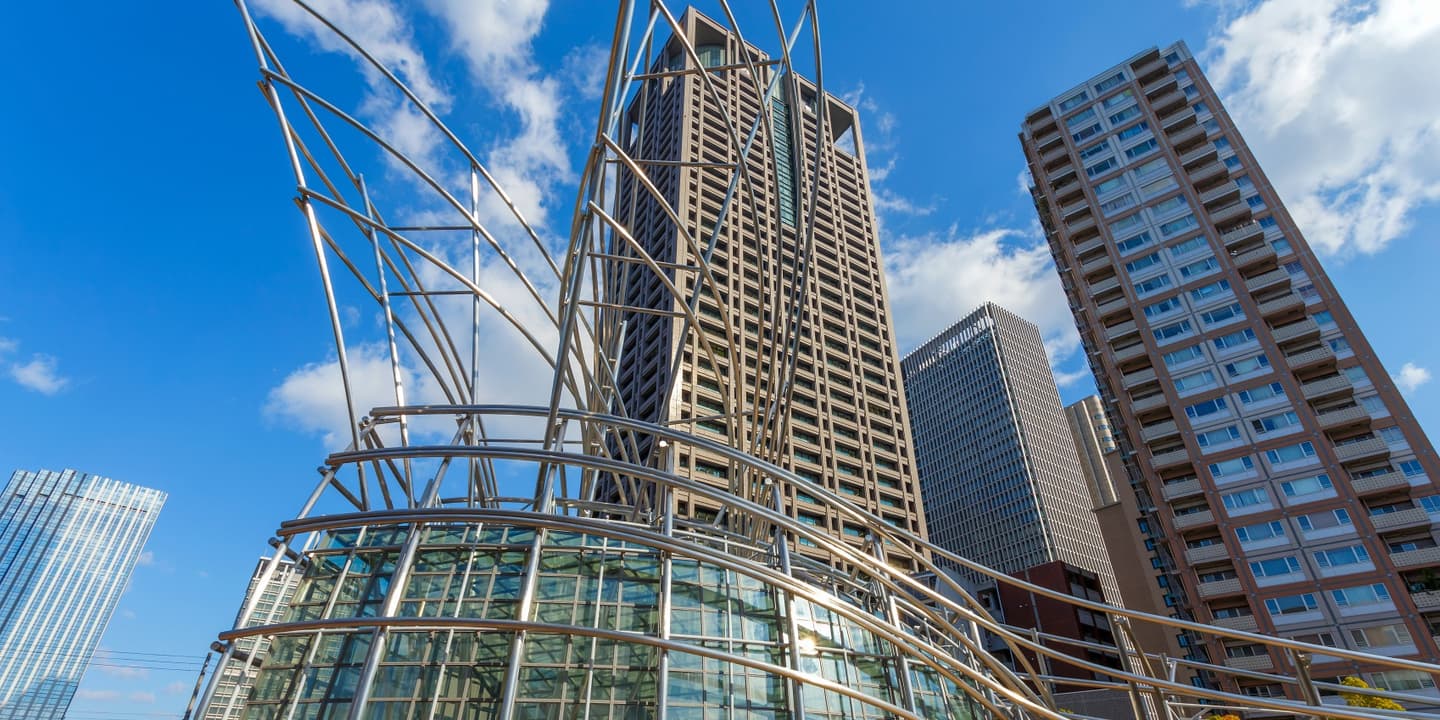
Umeda Sky Building: Osaka’s architecture is modern and highly functional, but this striking building — a twin-tower structure near Osaka Station — has a dual purpose. Its floating observation platform and glass-enclosed escalator also provide wonderful city views.
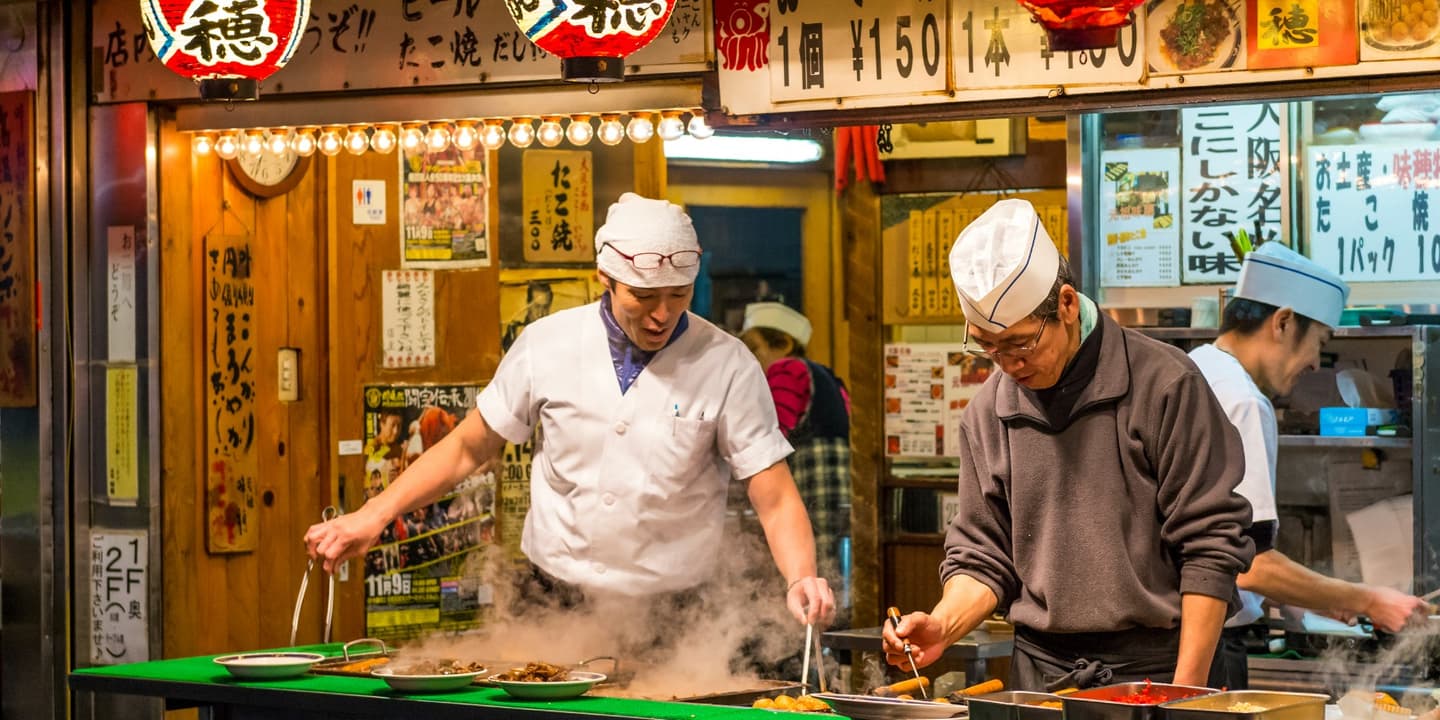
Takimi-Koji Alley: Located beneath the Umeda Sky Building, this subterranean gourmet street is home to both restaurants and “izakayas,” bars that serve food.
Best Known For
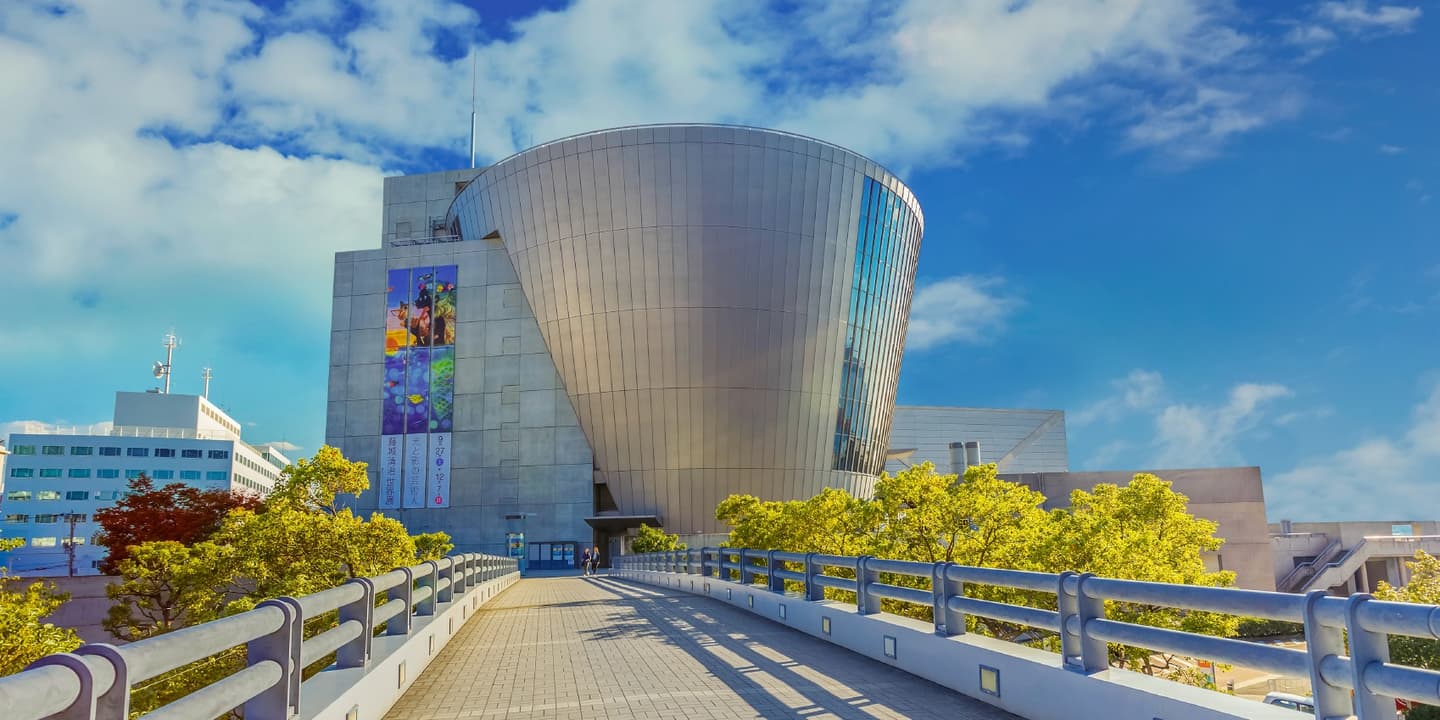
Top Museums: Anyone with an eye to the past will enjoy the Osaka Museum of History, housed in a distinctive new building and featuring exhibits arranged chronologically from the 10th floor to the seventh floor with descriptions in English. Art lovers can check out the Museum of Oriental Ceramics, which has large collections of Japanese and Korean artwork that rank among the country's best.
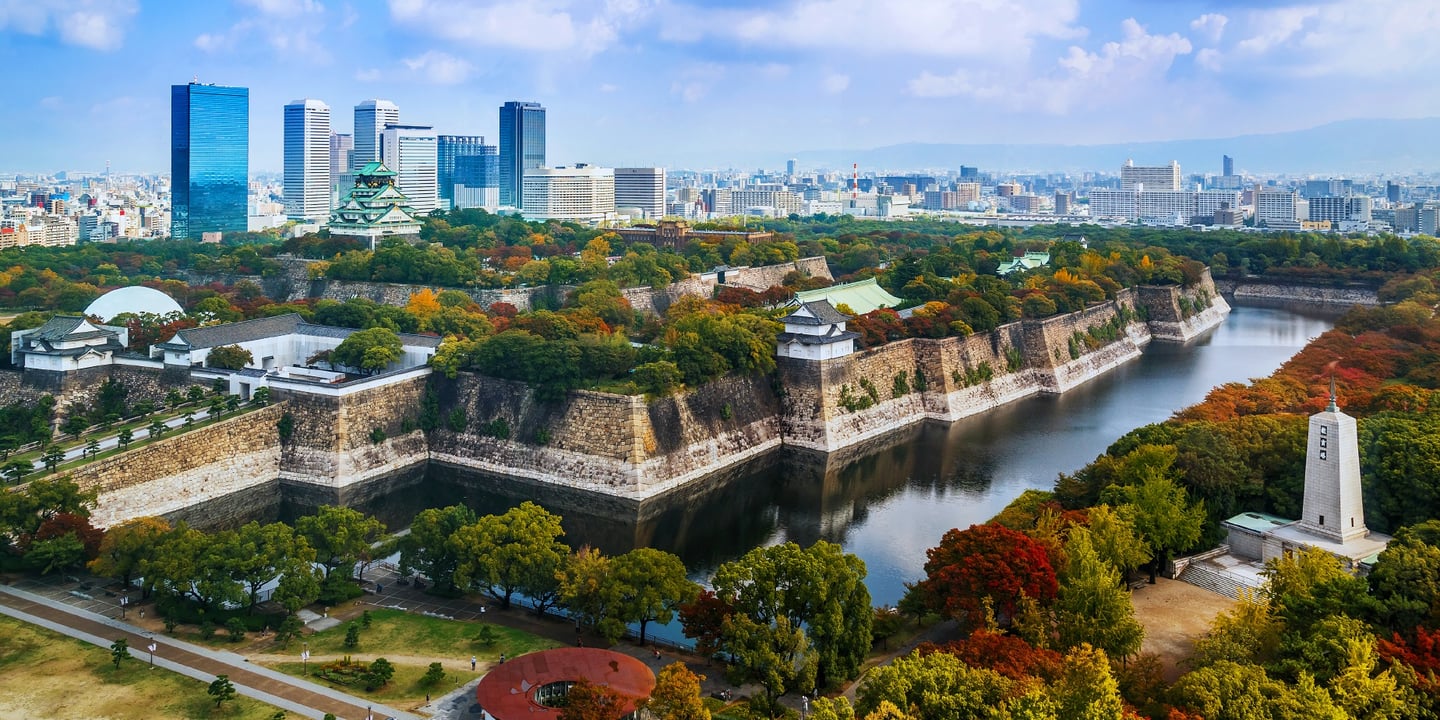
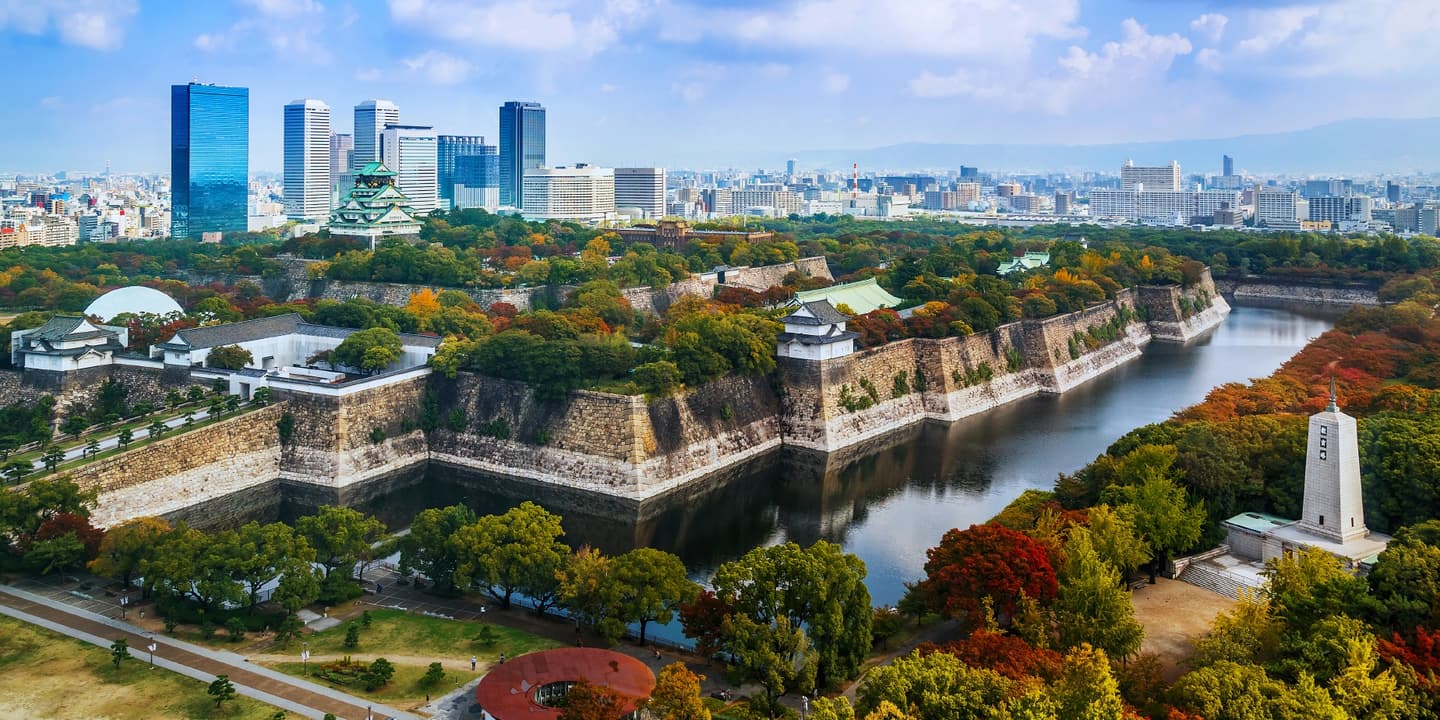
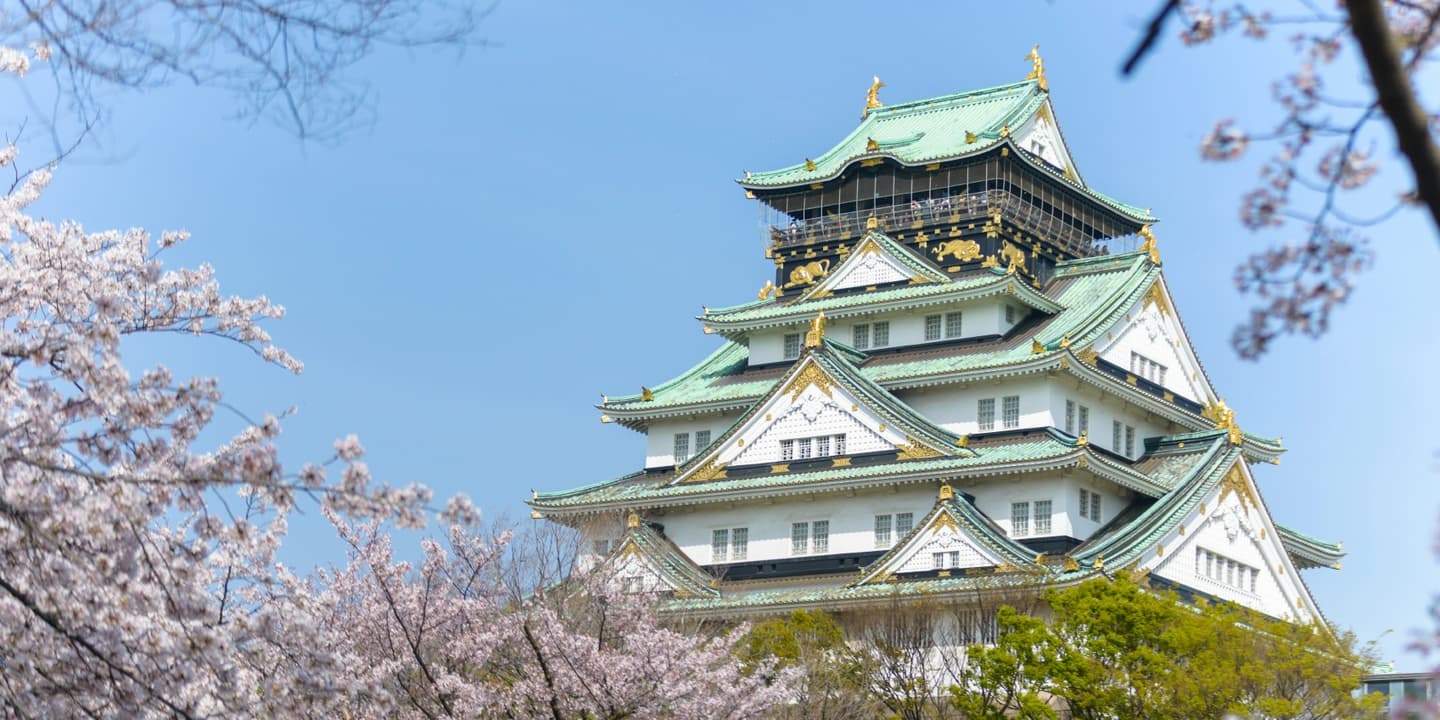
Osaka Castle: Osaka-Jo, the city's landmark castle, has been built, destroyed, and rebuilt multiple times over the past 400 years. The current incarnation dates to 1931, and received a final makeover in 1997. There's a good view of the city from the sixth floor and the setting — in a tranquil park — is away from the urban hubbub.
Who It's Good For
Big City Lovers: If you want to see modern urban Japan, you'll get a good dose of it here, complete with retreats from the hectic pace in the city's gardens, museums, and markets.
Don't Say We Didn't Warn You
It Can Be Intimidating: Osaka is not for the timid — there is a large public transit system with signs in English, but you'll need to familiarize yourself with your stops and transfer points ahead of time. It's definitely easier to explore with a guide or in a group.