
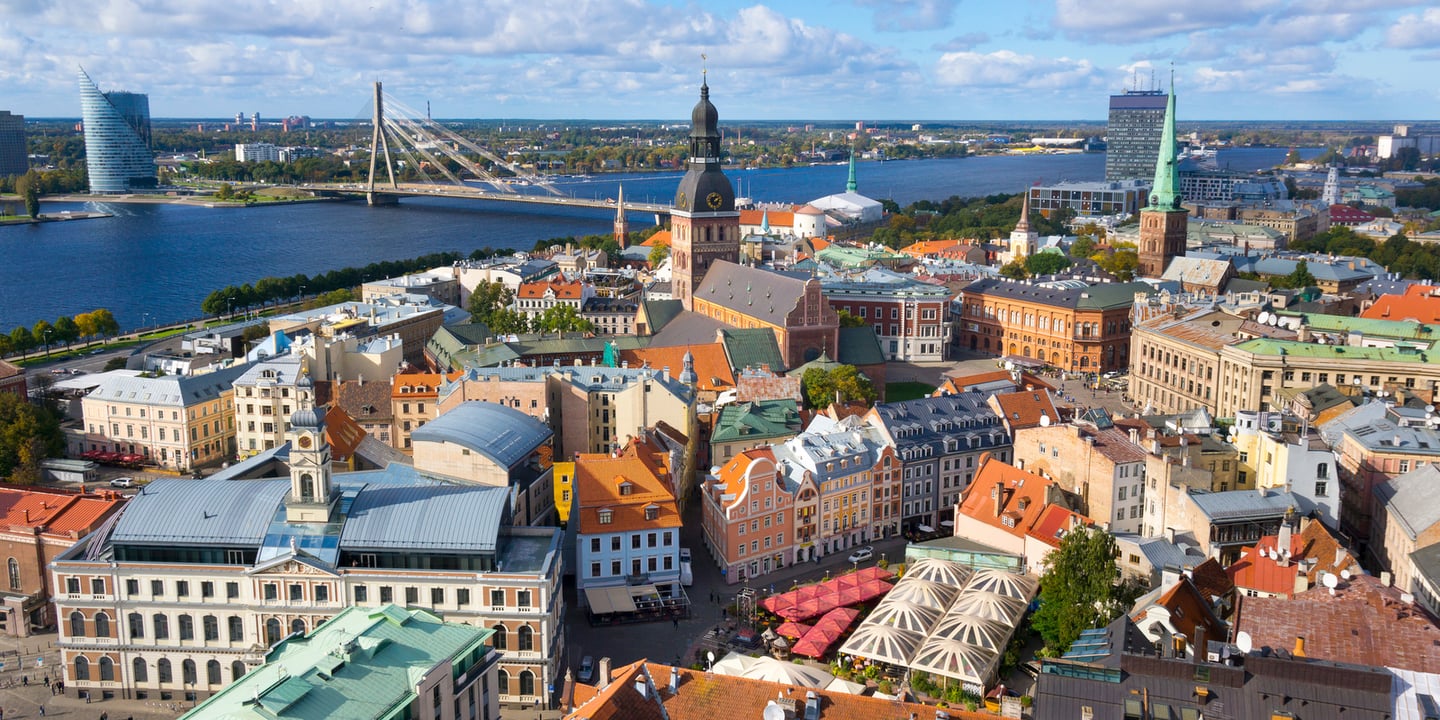
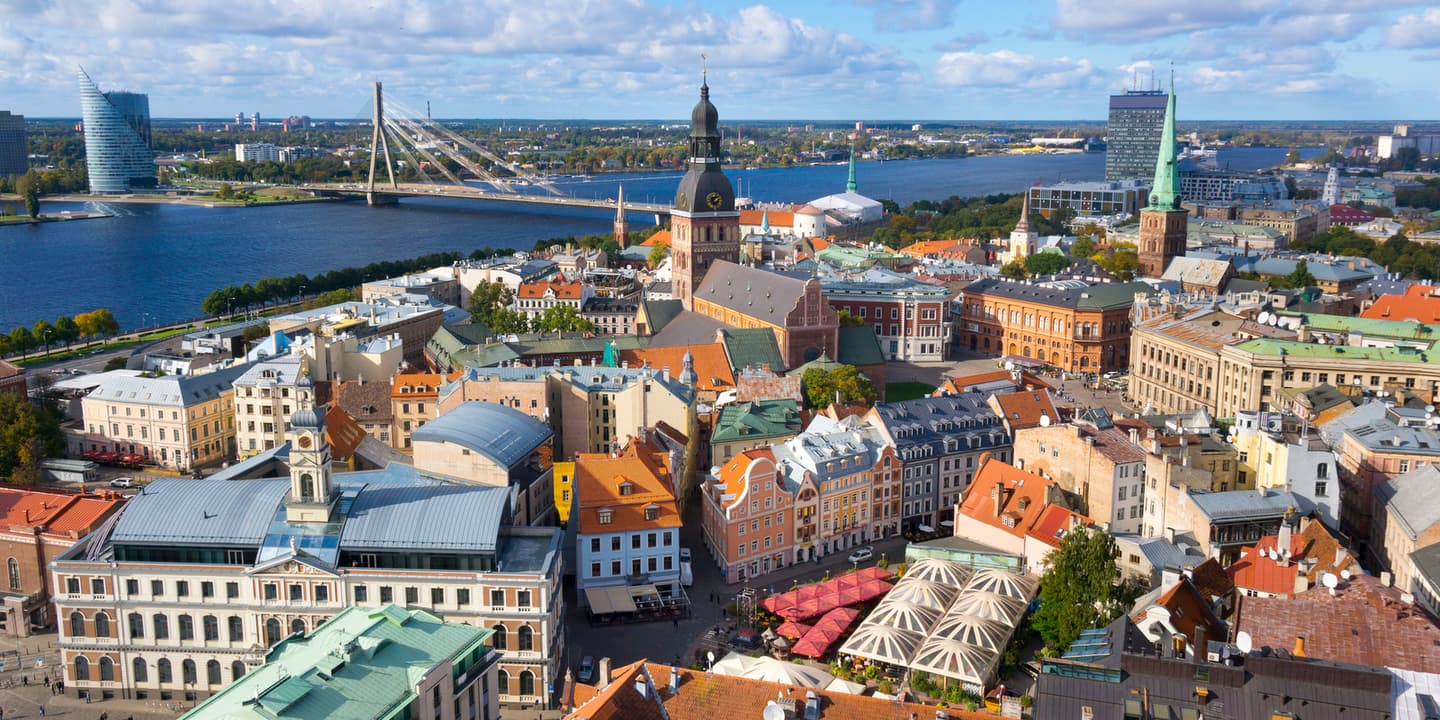
Founded over 800 years ago, this old Hanseatic port on the eastern Baltic experienced a renaissance after Latvia broke away from the Soviet Union a quarter century ago. The city's splendid riverside location and mix of medieval and art nouveau architecture make it a feast for the eyes — and camera.
Life at Port
See It for Yourself
What We Love
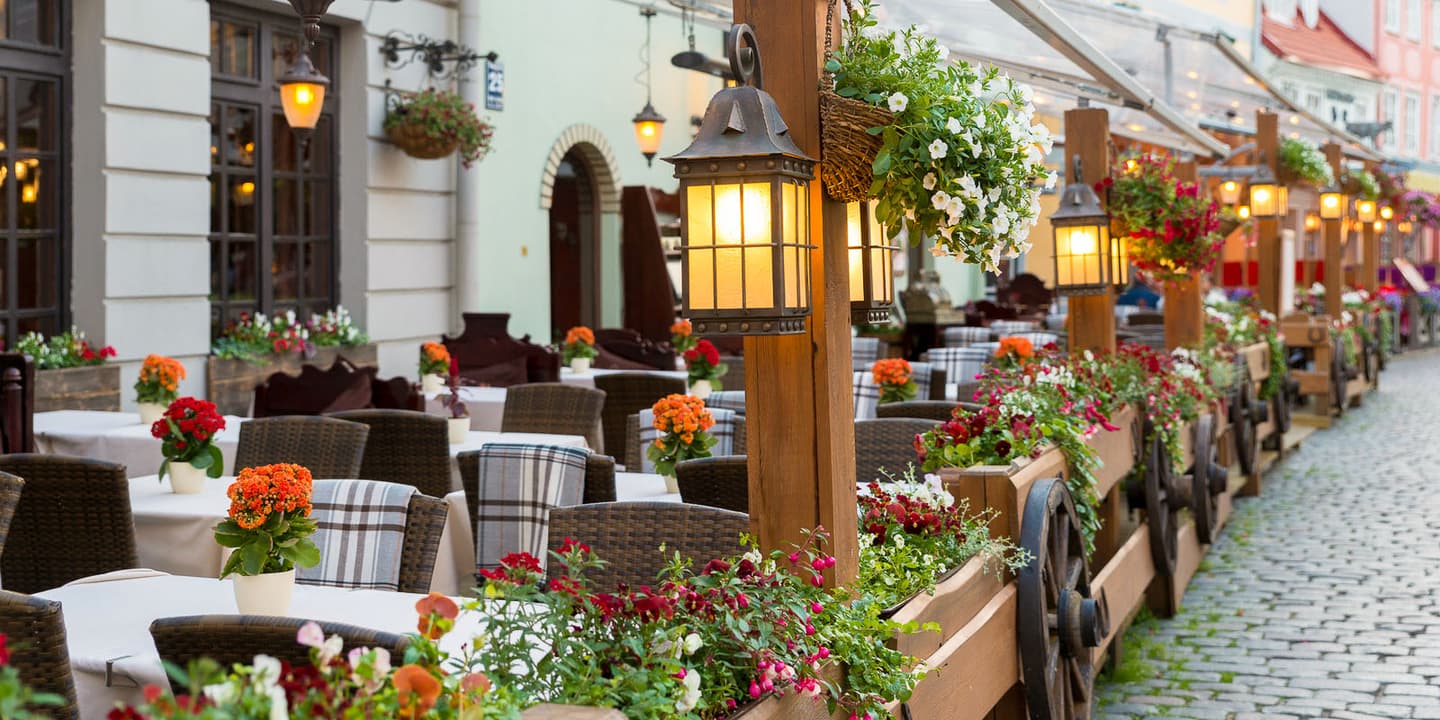
Sidewalk Cafés: Grab a table in the Doma Laukums (Cathedral Square) or Livu Laukums (Livu Square), order an ice-cold Aldaris, ogle the architecture, and watch the world go by.
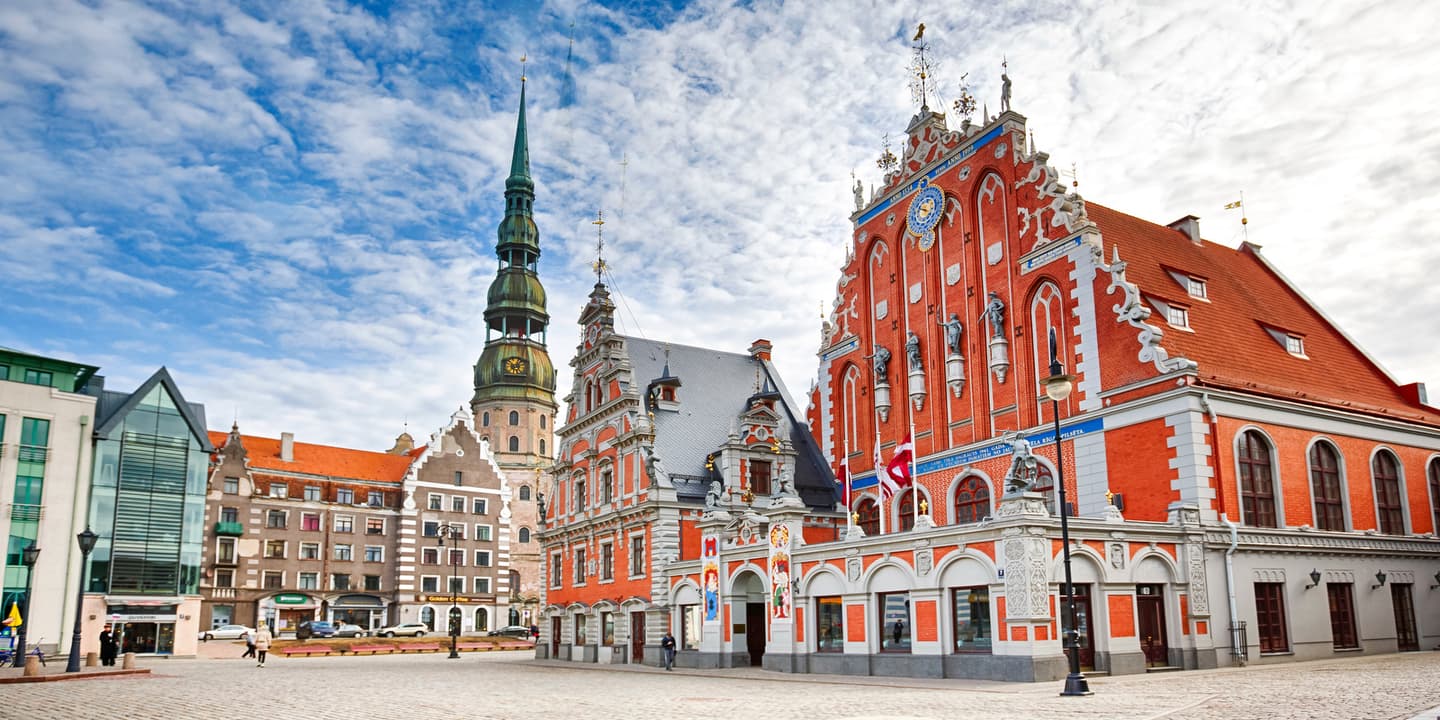
Melngalvju Nams: Like no other building in Europe, the exquisite House of the Blackheads is a medieval guild house destroyed by the Nazis — and exquisitely rebuilt after Latvian independence.
Best Known For
The Old City: A UNESCO World Heritage Site, Riga's Old City (Vecriga) offers a mosaic of cobblestone squares and narrow streets flanked by boutiques, cafes, churches, and museums.
Art Nouveau: With more than 800 buildings dating from Riga's golden era before World War I, the city boasts the world's largest collection of intact art nouveau structures, concentrated in the Centrs neighborhood north of the Old City.
Who It's Good For
20th-Century History Buffs: The Nazi and Soviet eras endowed Riga with infamous modern landmarks like the old KGB headquarters, Holocaust Museum and the Museum of the Occupation of Latvia 1940-1991.
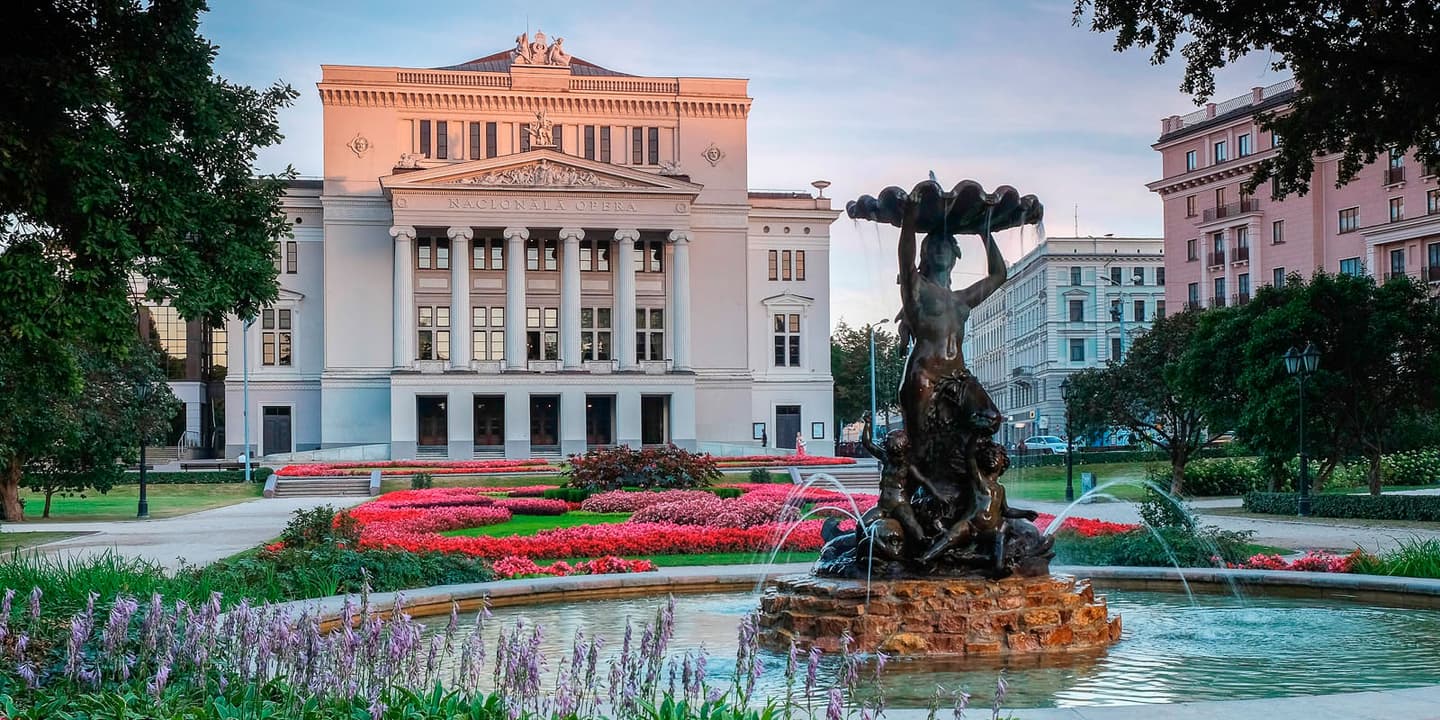
Culture Vultures: Rigans flock to classic performing arts at venues like the Latvian National Opera House, Liela Gilde Koncertzale (Great Guild Hall), and Ziemelblazma Cultural Palace.
Don't Say We Didn't Warn You
Shady Clubs and Bars Abound: Riga's underworld nurtures a number of dives notorious for scamming tourists with huge (unexpected) tabs at the end of an evening.
Many Taxis Aren't Much Better: The city is also renowned for "gypsy cabs" that try to rip off visitors. Ask the restaurant staff to call you a cab or hail one in front of a large hotel.