
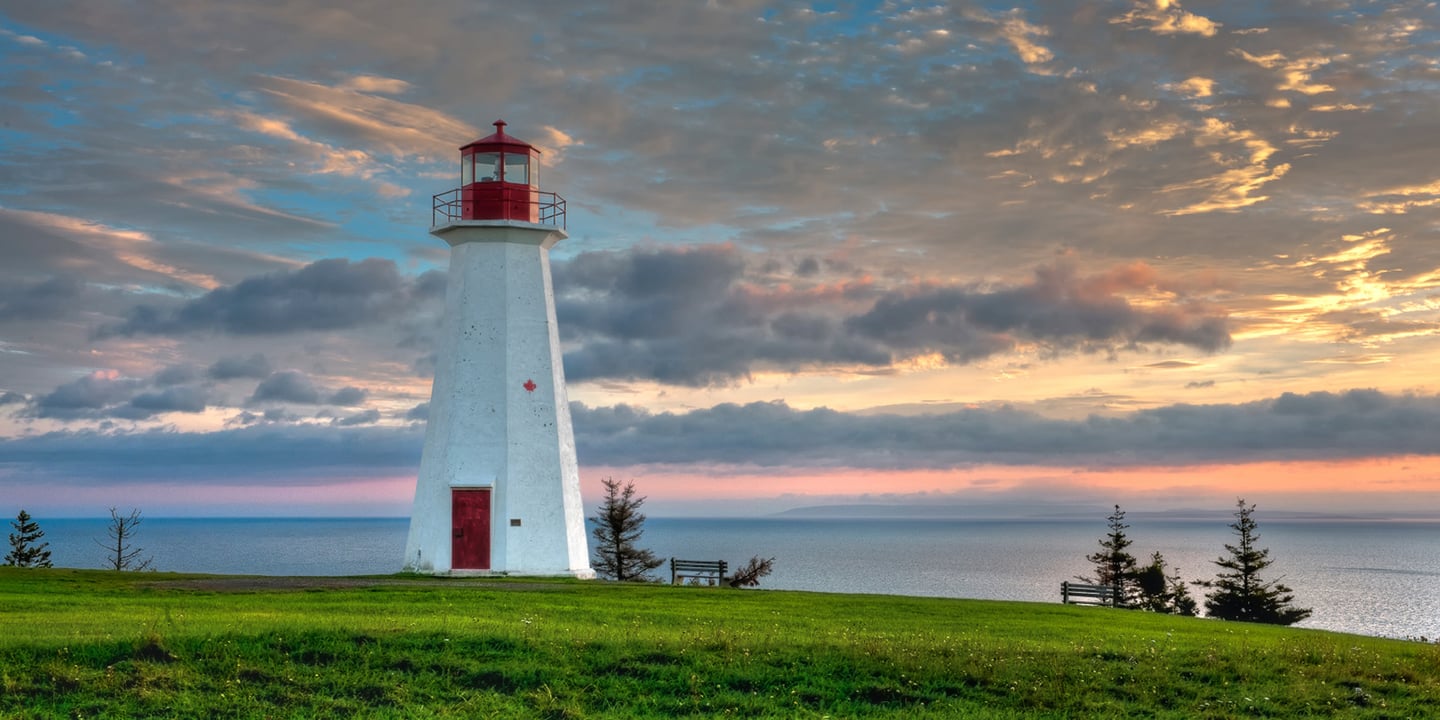
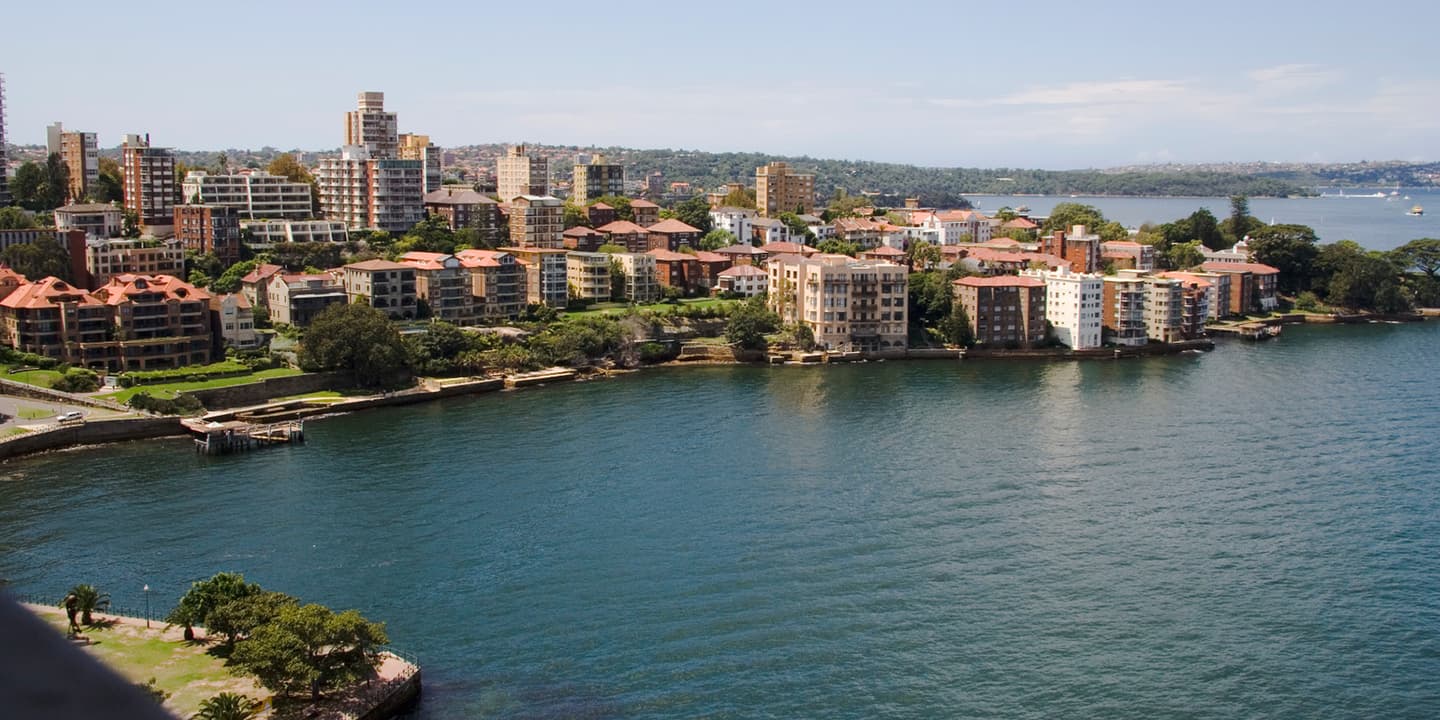
A gateway to the Cabot Trail and Bras d'Or Lake, Sydney is the historic capital of Cape Breton Island, Nova Scotia. The tranquil island blends pristine wilderness, Gaelic culture, and 200-year-old Celtic communities. Go for a trek in the highlands, shop for artisan crafts, or tour centuries-old fortresses.
Life at Port
See It for Yourself
What We Love
Alexander Graham Bell Museum: The telephone wasn't Alexander Graham Bell’s only big invention. This museum showcases Bell’s prolific body of work, including lesser-known innovations and his landmark achievements for the deaf, inspired by his hearing-impaired wife.
Highland Village: Set on a hillside high above Bras d’Or Lake, this living museum is animated by costumed interpreters who speak Scottish Gaelic. Each building represents a different period and architectural style, from the late 1700s to early 1900s.
Best Known For
The Big Fiddle: You’ll want to snap a photo beside this iconic monument at the port, a gigantic string instrument and bow that stand 60 feet high. It plays a medley composed by a local musician — a tribute to the island’s Celtic heritage.
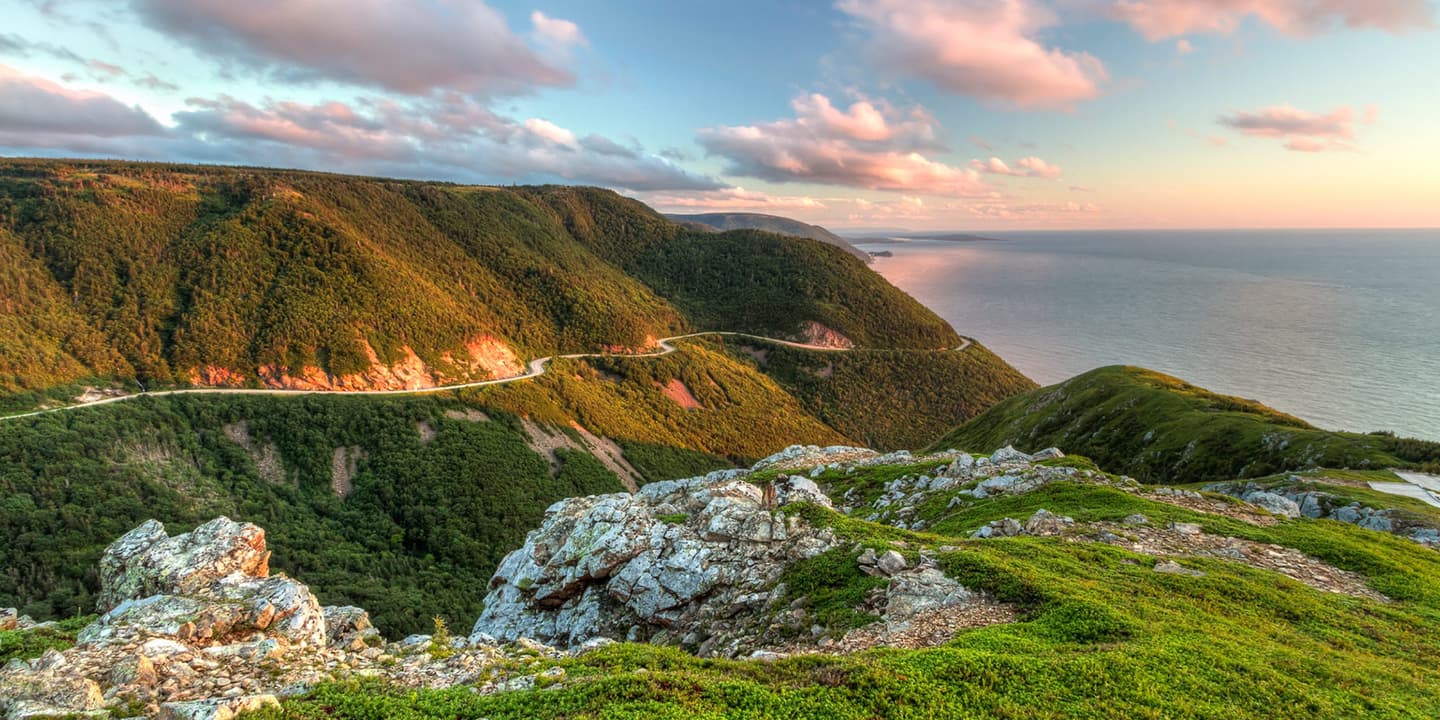
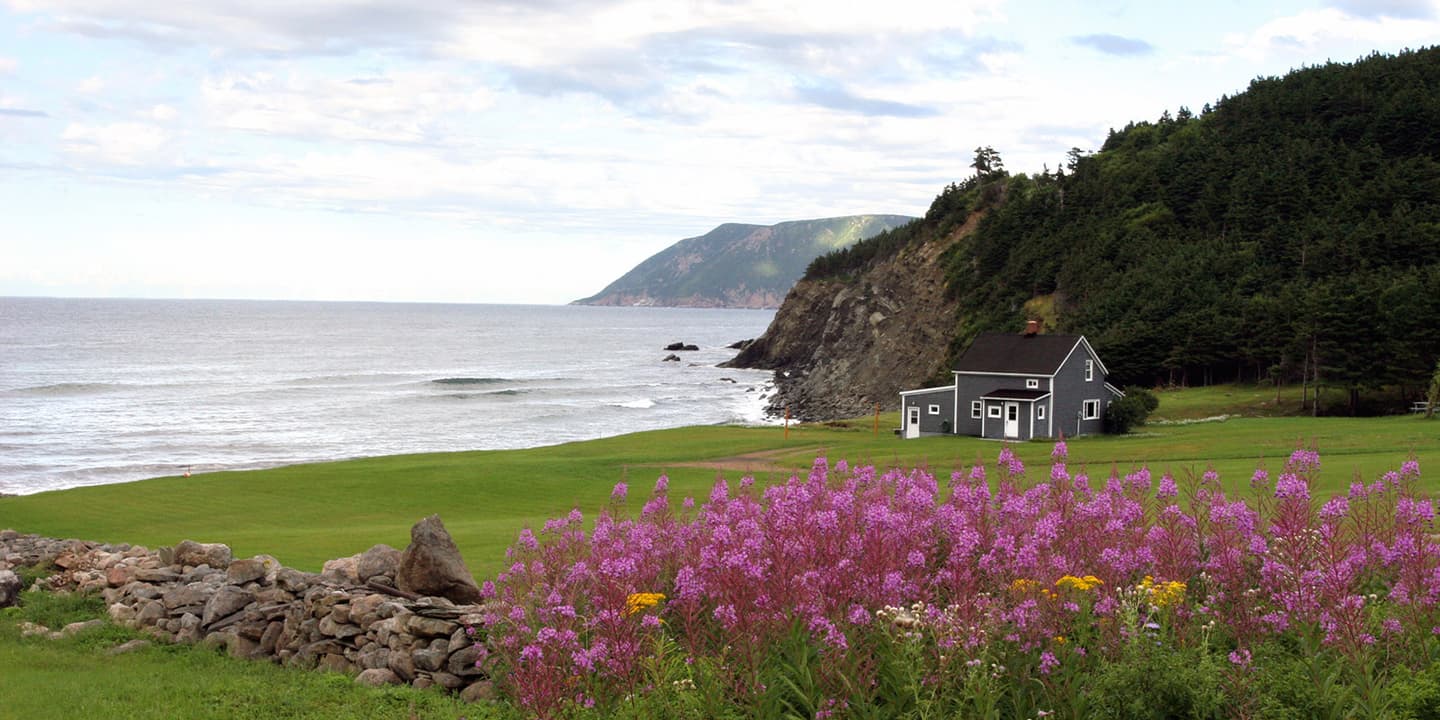
Cabot Trail: Hugging the rugged coastline and passing through Cape Breton Highlands National Park, this spectacular 186-mile scenic highway circles the northern tip of the island.
Who It's Good For
History Buffs: John Cabot discovered Cape Breton in 1497, and the island's heritage (it was also a French colony) lives on in its fascinating museums, well-preserved fortresses, and historic villages.
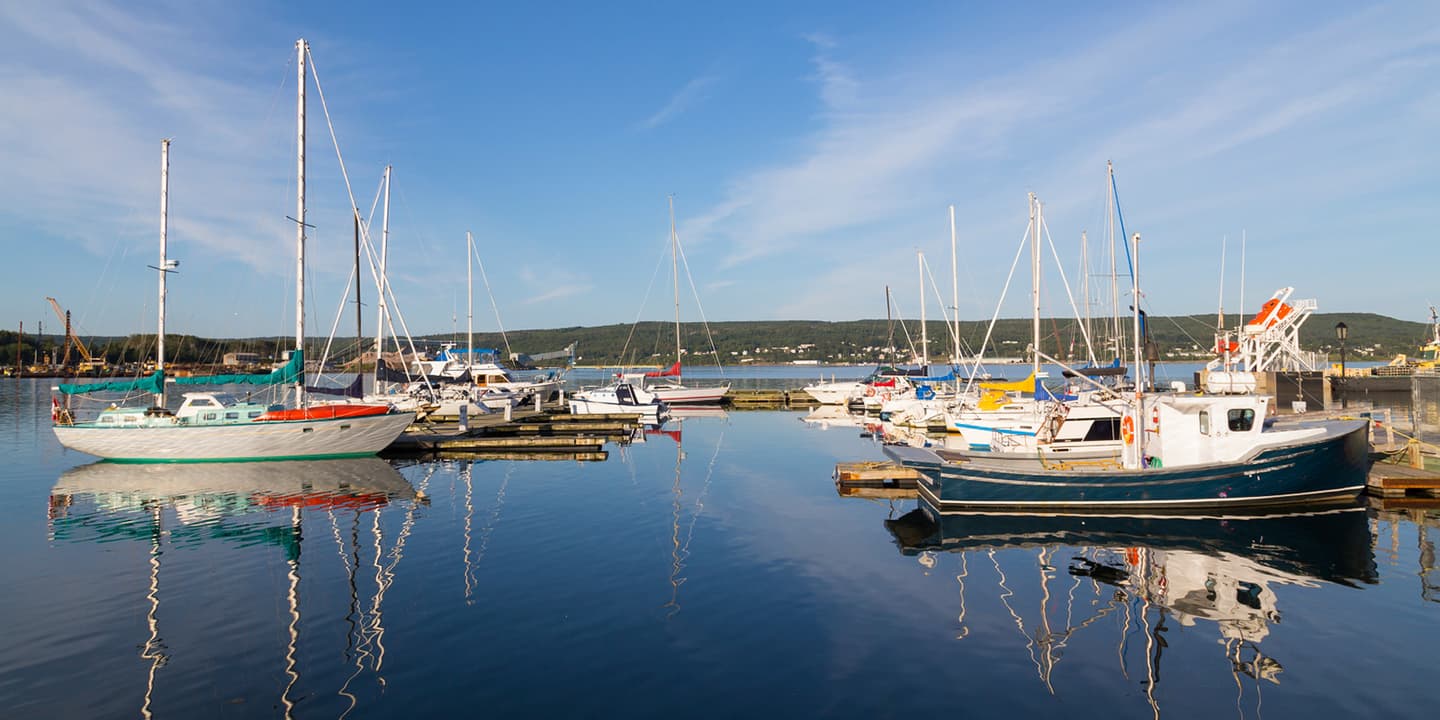
Nature Lovers: Cape Breton's highlands and jagged coastline lend themselves to hiking, whale watching, sailing, birding, and panoramic vistas.
Don't Say We Didn't Warn You
It's Bigger Than It Looks: Cape Breton may look like a mere speck on the map, but the countryside is expansive, and winding roads mean that drive times are longer that what you'd expect. You'll likely get to see only a piece of Cape Breton if you're visiting on a cruise.
Unpredictable Weather: Fog and drastic temperature changes are common due to the island's maritime climate.